
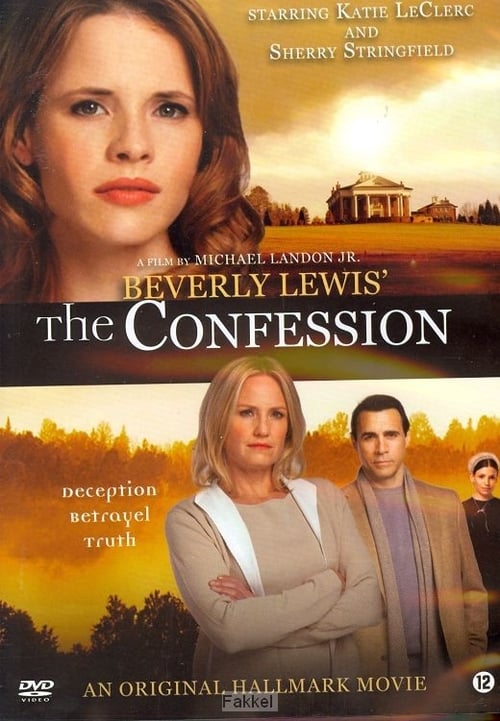






















Popular
What is the significance of the character Katie Lapp's journey in the story?
How does the character of Daniel Fisher influence Katie's decisions?
What role does the secret of Katie's parentage play in the plot?
How does the character of Lydia affect Katie's understanding of family?
What challenges does Katie face when she decides to leave her Amish community?
Should I watch it?
Ask Your Own Question

What is the plot?
Sorry, we aren't able to watch and write up a full detailed plot yet. Check back in a few days.
More Movies Like This
Browse All Movies →








What is the ending?
In the ending of "Beverly Lewis' The Confession," the story culminates with the resolution of the central conflict surrounding the characters' relationships and their struggles with faith and forgiveness. The main character, Katie Lapp, confronts her past and the truth about her identity, leading to a heartfelt reconciliation with her family and the community.
As the film progresses towards its conclusion, Katie learns the truth about her mother, which brings her a sense of closure. The film ends on a hopeful note, with Katie embracing her identity and the love of those around her, particularly her relationship with her love interest, Daniel. The story emphasizes themes of forgiveness, acceptance, and the importance of family ties.
Now, let's delve into the ending in a more detailed, chronological narrative.
The final scenes of "Beverly Lewis' The Confession" unfold with a palpable tension as Katie Lapp stands at a crossroads in her life. After a long journey of self-discovery and grappling with her identity, she is faced with the truth about her mother, who had kept significant secrets from her. This revelation is not just about her lineage but also about the choices that have shaped her life and the lives of those around her.
In a poignant moment, Katie visits her mother's grave, where she reflects on the pain and confusion that has clouded her understanding of her past. The camera captures her emotional turmoil, the soft breeze rustling the leaves around her, symbolizing the change that is about to come. As she kneels, tears streaming down her face, she finds a sense of peace in acknowledging her mother's struggles and the love that still exists despite the secrets.
The scene shifts to the Lapp family home, where the atmosphere is thick with unspoken words. Katie's father, who has been a figure of authority and tradition, is confronted by Katie's newfound strength. She expresses her desire to understand her mother's choices and to find a way to forgive her. This moment is charged with emotion, as her father grapples with his own feelings of loss and regret. The dialogue is heartfelt, revealing the depth of their familial bond and the pain of their shared history.
As the narrative unfolds, Katie's relationship with Daniel becomes a focal point. He has been a steadfast presence throughout her journey, offering support and love. In the final scenes, they share a tender moment where Daniel reassures Katie of his commitment to her, regardless of the challenges they face. Their connection symbolizes hope and the possibility of a future built on trust and understanding.
The climax of the film occurs during a community gathering, where Katie decides to publicly share her story. Standing before her friends and family, she speaks with courage about her journey, the struggles she has faced, and the importance of forgiveness. The audience is captivated, and the emotional weight of her words resonates deeply with those present. This moment serves as a turning point, not just for Katie but for the entire community, as they begin to confront their own prejudices and misunderstandings.
In the closing scenes, the film captures the essence of reconciliation. Katie's father embraces her, acknowledging her strength and the love that binds them. The camera pans out to show the community coming together, symbolizing unity and acceptance. The final shot lingers on Katie and Daniel, hand in hand, as they walk towards a new beginning, filled with hope and the promise of a brighter future.
In summary, the fates of the main characters are intertwined with themes of forgiveness and acceptance. Katie emerges as a strong, independent woman who has come to terms with her past. Her father learns to embrace change and the importance of family, while Daniel stands by her side, ready to face whatever comes next. The film concludes on a note of optimism, highlighting the transformative power of love and understanding.
Is there a post-credit scene?
Beverly Lewis' The Confession does not have a post-credit scene. The film concludes its narrative without any additional scenes or content after the credits roll. The story wraps up with the resolution of the main characters' arcs, focusing on themes of faith, forgiveness, and the complexities of family relationships within the Amish community. The ending emphasizes the emotional journeys of the characters, particularly the protagonist, as she comes to terms with her past and seeks a path forward.
What is the significance of the character Katie Lapp's journey in the story?
Katie Lapp, portrayed by Katie Leclerc, is a young Amish woman who embarks on a journey of self-discovery and reconciliation with her past. Her internal struggle revolves around her desire to understand her identity, especially after learning about her biological mother. This quest leads her to confront her feelings of abandonment and the complexities of her relationships within the Amish community.
How does the character of Daniel Fisher influence Katie's decisions?
Daniel Fisher, played by Paul C. McGillion, serves as a pivotal figure in Katie's life. His unwavering support and understanding provide her with the courage to explore her roots and make choices that align with her true self. Daniel's love for Katie and his own struggles with the Amish lifestyle create a bond that challenges her to consider a life beyond the confines of her community.
What role does the secret of Katie's parentage play in the plot?
The secret of Katie's parentage is a central plot element that drives the narrative forward. It is revealed that Katie is the daughter of a woman who left the Amish community, which creates a rift between her and her adoptive family. This revelation not only complicates her relationships but also forces Katie to confront her feelings of belonging and the societal expectations placed upon her.
How does the character of Lydia affect Katie's understanding of family?
Lydia, portrayed by Jennifer O'Dell, is a significant figure in Katie's life, representing both a maternal influence and a source of conflict. As Katie navigates her feelings about her biological mother, Lydia's presence serves as a reminder of the love and support she has in her adoptive family. Lydia's struggles with her own past and her desire to protect Katie highlight the complexities of familial bonds and the sacrifices made for love.
What challenges does Katie face when she decides to leave her Amish community?
When Katie decides to leave her Amish community, she faces numerous challenges, including the emotional turmoil of leaving her family and the life she has known. The fear of ostracism and the uncertainty of her future weigh heavily on her. Additionally, she grapples with guilt over her decision, as it not only affects her but also her loved ones, particularly Lydia and her adoptive parents, who have raised her in the faith.
Is this family friendly?
"Beverly Lewis' The Confession" is generally considered family-friendly, but it does contain some themes and scenes that may be sensitive for children or those who are easily upset. Here are a few aspects to consider:
-
Family Conflict: The film explores themes of estrangement and conflict within families, which may be emotionally intense for younger viewers.
-
Loss and Grief: There are moments that deal with loss, including the emotional impact of a loved one's death, which could be upsetting for sensitive audiences.
-
Cultural Tensions: The story involves cultural differences between the Amish community and the outside world, which may lead to misunderstandings and conflicts that could be complex for children to grasp.
-
Romantic Relationships: The film includes romantic elements that may touch on themes of love and heartbreak, which could be more suitable for older children or teens.
-
Moral Dilemmas: Characters face moral choices that lead to emotional turmoil, which may provoke deeper thoughts and feelings that younger viewers might not fully understand.
Overall, while the film is appropriate for family viewing, parents may want to consider these elements when deciding if it is suitable for their children.








