



































Popular
What is the significance of the character of Captain Cat in Under Milk Wood?
How does the character of Polly Garter contribute to the story?
What role does the character of Mr. Pugh play in the dynamics of the town?
How does the character of Mrs. Pugh influence the story's events?
What is the significance of the town of Llareggub in the narrative?
Should I watch it?
Ask Your Own Question

What is the plot?
Sorry, we aren't able to watch and write up a full detailed plot yet. Check back in a few days.
More Movies Like This
Browse All Movies →




What is the ending?
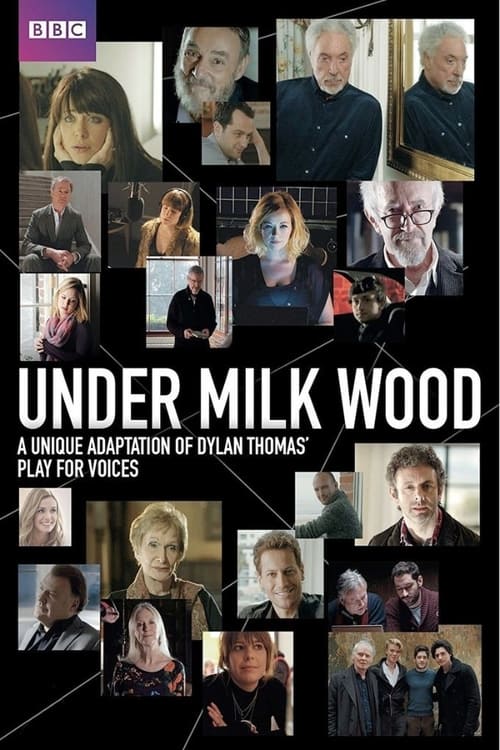
In the ending of the 2014 film "Under Milk Wood," the characters of the small Welsh town of Llareggub reflect on their lives and dreams as the day comes to a close. The narrative culminates in a poignant moment where the townsfolk, having shared their hopes and regrets, return to their routines, leaving the audience with a sense of the beauty and complexity of everyday life.
As the sun sets over Llareggub, the scene opens with the town bathed in a warm, golden light. The camera pans over the familiar streets, capturing the essence of the community. The narrator's voice, rich and resonant, guides us through the final moments, reminding us of the dreams and desires of the townspeople.
We see Mr. Pugh, the schoolteacher, who has been consumed by his own fantasies and frustrations. He stands alone, contemplating his life choices, feeling the weight of his unfulfilled aspirations. His internal struggle is palpable as he gazes out at the horizon, reflecting on the life he has led and the dreams he has let slip away.
Next, we find Mrs. Pugh, who is busy in her kitchen, her demeanor a mix of weariness and resilience. She prepares dinner, her movements methodical yet infused with a sense of longing. The tension in her relationship with Mr. Pugh is evident, as she silently hopes for a connection that seems increasingly distant.
The scene shifts to the local pub, where the men gather, sharing stories and laughter. Among them is Captain Cat, the blind sea captain, who reminisces about his past adventures. His tales are filled with nostalgia, and as he speaks, we see the faces of the other patrons, reflecting a blend of amusement and sorrow. Captain Cat's longing for the sea and the life he once knew resonates deeply with the audience, highlighting the theme of lost opportunities.
As the day fades, we return to the streets of Llareggub, where the townsfolk begin to disperse. The camera captures the quiet moments of their lives--children playing, couples walking hand in hand, and the elderly sitting on benches, lost in thought. Each character is portrayed with depth, their individual stories intertwining to create a rich tapestry of community life.
The final moments of the film bring us back to the narrator, who reflects on the beauty of the ordinary. The characters, despite their struggles and unfulfilled dreams, find solace in their shared existence. The screen fades to black, leaving the audience with a lingering sense of connection to the characters and their world.
In conclusion, the ending of "Under Milk Wood" encapsulates the essence of life in Llareggub, where dreams may remain unfulfilled, but the bonds of community and the beauty of everyday moments endure. Each character, from Mr. and Mrs. Pugh to Captain Cat, is left to navigate their own paths, but they do so within the comforting embrace of their shared home.
Is there a post-credit scene?
The 2014 film "Under Milk Wood" does not feature a post-credit scene. The film concludes with a poignant and reflective tone, encapsulating the essence of the characters and the poetic nature of the narrative. As the credits roll, viewers are left to ponder the lives of the inhabitants of the fictional Welsh village of Llareggub, resonating with the themes of dreams, love, and the passage of time that permeate the story. The absence of a post-credit scene allows the audience to fully absorb the emotional weight of the film's conclusion without any additional distractions.
What is the significance of the character of Captain Cat in Under Milk Wood?
Captain Cat is a blind, retired sea captain who serves as a central figure in the narrative. His character embodies the themes of memory and longing, as he reminisces about his past and the women he loved. His internal monologues reveal his deep emotional connections to the town and its inhabitants, showcasing his loneliness and desire for companionship.
How does the character of Polly Garter contribute to the story?
Polly Garter is a passionate and free-spirited woman who is known for her romantic entanglements. Her character adds a layer of complexity to the narrative as she expresses her desires and regrets through her songs. Polly's interactions with other characters, particularly her longing for love and acceptance, highlight the emotional undercurrents of the community.
What role does the character of Mr. Pugh play in the dynamics of the town?
Mr. Pugh is a schoolteacher with a cynical outlook on life, often seen as a foil to the more whimsical characters in the town. His internal struggles and dissatisfaction with his marriage to Mrs. Pugh reveal the darker aspects of human relationships. His character adds tension and conflict, particularly in his interactions with other townsfolk, as he navigates his desires and frustrations.
How does the character of Mrs. Pugh influence the story's events?
Mrs. Pugh is portrayed as a domineering and controlling figure, particularly in her relationship with her husband, Mr. Pugh. Her character represents the constraints of societal expectations and the struggles within marriage. Her interactions with Mr. Pugh and other characters often lead to comedic yet poignant moments that reflect the complexities of love and partnership in the community.
What is the significance of the town of Llareggub in the narrative?
Llareggub serves as more than just a setting; it is a character in its own right, reflecting the dreams, desires, and daily lives of its inhabitants. The town's vibrant and quirky residents, along with its picturesque yet melancholic atmosphere, create a rich tapestry that encapsulates the essence of human experience. The interactions among the townsfolk reveal their interconnectedness and the shared struggles of life.
Is this family friendly?
"Under Milk Wood," produced in 2014, is a film adaptation of Dylan Thomas's classic play. While it captures the whimsical and poetic essence of the original work, it does contain some elements that may be considered objectionable or upsetting for children or sensitive viewers.
-
Adult Themes: The film explores complex adult relationships, including infidelity and unfulfilled dreams, which may be difficult for younger audiences to understand.
-
Alcohol Use: Several characters are depicted consuming alcohol, which is a recurring theme in the narrative and may not be suitable for all viewers.
-
Emotional Turmoil: Characters experience moments of deep sadness, longing, and existential reflection, which could be intense for sensitive viewers.
-
Mature Language: There are instances of strong language and expressions that may not be appropriate for children.
-
Death and Loss: Themes of mortality and the passage of time are present, which could evoke feelings of sadness or discomfort.
Overall, while the film is rich in poetic language and visual beauty, its exploration of adult themes and emotional depth may make it more suitable for older audiences.









