












Popular
What challenges does Carrie face in her relationship with Flicka throughout the movie?
How does Carrie's family react to her passion for horses and her bond with Flicka?
What role does the horse competition play in the development of the plot?
How does the character of Flicka evolve throughout the film?
What internal conflicts does Carrie experience as she trains Flicka?
Should I watch it?
Ask Your Own Question

What is the plot?
Sorry, we aren't able to watch and write up a full detailed plot yet. Check back in a few days.
More Movies Like This
Browse All Movies →



What is the ending?
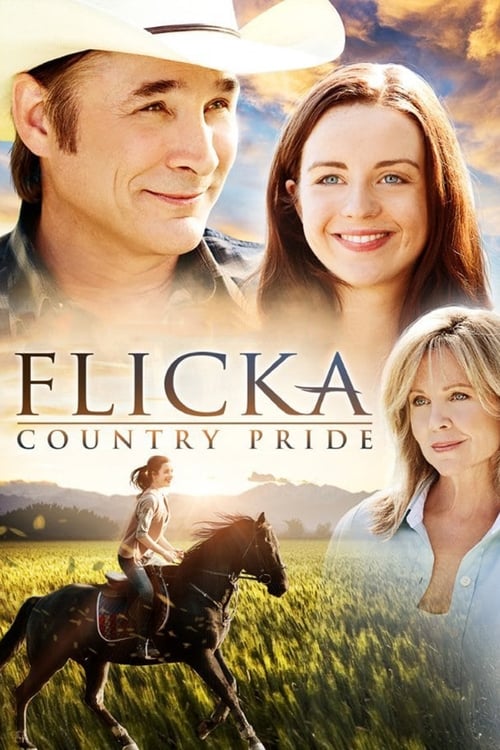
In the ending of "Flicka: Country Pride," the main character, a young girl named Carrie, successfully competes in a horse show with her beloved horse, Flicka. After overcoming various challenges, including her strained relationship with her father, they find a way to reconnect. The film concludes with a sense of hope and unity as Carrie and Flicka triumph together.
As the climax of "Flicka: Country Pride" unfolds, we find ourselves at the horse show where Carrie is determined to prove herself. The atmosphere is charged with excitement and tension as competitors prepare for their events. Carrie, having faced numerous obstacles throughout the film, including her father's skepticism about her abilities and the challenges of training Flicka, is filled with a mix of anxiety and determination.
Scene by scene, the narrative progresses as follows:
The first scene at the horse show is vibrant, with colorful banners and the sounds of hooves clattering against the ground. Carrie stands nervously beside Flicka, her heart racing as she watches other riders perform. She recalls the moments of doubt she faced, particularly the disapproval from her father, who has been worried about her safety and the future of their ranch. Yet, she feels a deep bond with Flicka, who has been her steadfast companion through thick and thin.
As the competition begins, Carrie takes a deep breath, channeling her fears into focus. She mounts Flicka, and they enter the arena. The crowd watches intently, and Carrie feels the weight of their expectations. The first few jumps are challenging, but with each successful leap, Carrie gains confidence. Flicka responds to her cues, and their connection is palpable, showcasing the trust they have built over time.
Midway through the competition, a moment of tension arises when Flicka hesitates at a jump, causing Carrie to momentarily lose her composure. The audience gasps, and Carrie's father, who has been watching from the sidelines, looks concerned. However, Carrie quickly regains her focus, whispering words of encouragement to Flicka. This moment signifies her growth; she understands that both she and Flicka must work together to succeed.
As they approach the final jump, the atmosphere is electric. Carrie's heart pounds in her chest, but she feels a surge of determination. She remembers her father's earlier words about believing in herself and her horse. With a final push, Carrie and Flicka soar over the last jump, landing gracefully. The crowd erupts in applause, and Carrie beams with pride.
After the competition, Carrie's father approaches her, his expression softening. He acknowledges her hard work and dedication, finally expressing his pride in her accomplishments. This moment marks a significant turning point in their relationship, as they embrace, symbolizing their newfound understanding and support for one another.
The film concludes with Carrie and Flicka standing together, looking out over the ranch. The sun sets in the background, casting a warm glow over the landscape. Carrie's journey has not only been about winning the competition but also about finding her voice and strengthening her bond with her father. Flicka, once a symbol of her struggles, now represents her triumph and the love that binds them all together.
In the end, Carrie has proven herself not just as a rider but as a young woman who has learned to face her fears and embrace her passions. Her father, having witnessed her growth, is now a supportive figure in her life, and Flicka remains her loyal companion, embodying the spirit of perseverance and connection. The film closes on a hopeful note, emphasizing themes of family, trust, and the importance of following one's dreams.
Is there a post-credit scene?
In "Flicka: Country Pride," there is no post-credit scene. The film concludes with a sense of resolution as the characters reflect on their journeys and the bond they share with the horses. The story wraps up without any additional scenes or teasers after the credits, focusing instead on the emotional growth of the characters and their relationships. The ending emphasizes themes of perseverance, friendship, and the connection between humans and animals, leaving the audience with a heartfelt conclusion.
What challenges does Carrie face in her relationship with Flicka throughout the movie?
Carrie faces several challenges in her relationship with Flicka, particularly in gaining the horse's trust and overcoming her own insecurities. Initially, Flicka is wild and unmanageable, reflecting Carrie's own struggles with self-doubt and the pressure of her family's expectations. As Carrie works to train Flicka, she learns to communicate with the horse, which parallels her journey of self-discovery and confidence.
How does Carrie's family react to her passion for horses and her bond with Flicka?
Carrie's family, particularly her father, is initially skeptical of her passion for horses. They worry that her dedication to Flicka might distract her from her responsibilities and future. This tension creates a rift between Carrie and her father, who wants her to focus on more traditional paths. However, as the story progresses, her family begins to see the positive impact that Flicka has on Carrie, leading to a gradual acceptance of her passion.
What role does the horse competition play in the development of the plot?
The horse competition serves as a pivotal plot element that drives the narrative forward. It represents not only a goal for Carrie and Flicka but also a test of their bond and skills. The competition heightens the stakes, forcing Carrie to confront her fears and insecurities. It becomes a moment of truth where she must prove herself, not just to her family and peers, but also to herself.
How does the character of Flicka evolve throughout the film?
Flicka evolves from a wild, untamed horse to a loyal companion and partner for Carrie. Initially, Flicka's rebellious nature mirrors Carrie's own struggles with identity and acceptance. As Carrie learns to understand and connect with Flicka, the horse becomes more trusting and responsive, symbolizing Carrie's growth and the deepening of their bond. This transformation is central to the emotional arc of the story.
What internal conflicts does Carrie experience as she trains Flicka?
Carrie experiences significant internal conflict as she trains Flicka. She grapples with self-doubt, feeling the weight of her family's expectations and her own aspirations. The pressure to succeed in the competition amplifies her fears of failure. As she faces setbacks in training, Carrie must confront her insecurities and learn to trust her instincts, ultimately leading to a deeper understanding of herself and her capabilities.
Is this family friendly?
"Flicka: Country Pride" is generally considered a family-friendly film, but there are a few scenes and themes that might be potentially objectionable or upsetting for children or sensitive viewers.
-
Emotional Struggles: The film explores themes of loss and disappointment, particularly related to the main character's relationship with her horse and her family. These emotional struggles may resonate deeply and could be upsetting for some viewers.
-
Conflict with Authority: There are moments of tension between characters, including disagreements and confrontations that may depict authority figures in a negative light. This could be unsettling for younger viewers.
-
Animal Welfare: The film includes scenes that involve the care and training of horses, which may include moments of stress or injury to the animals. While not graphic, these scenes could be distressing for sensitive viewers.
-
Family Dynamics: The film portrays familial conflict and the challenges of communication within a family, which may evoke feelings of sadness or discomfort for some viewers.
Overall, while the film is suitable for a family audience, these elements may require parental guidance for younger children or those who are particularly sensitive to emotional or animal-related themes.









