



Loading additional questions...
Popular
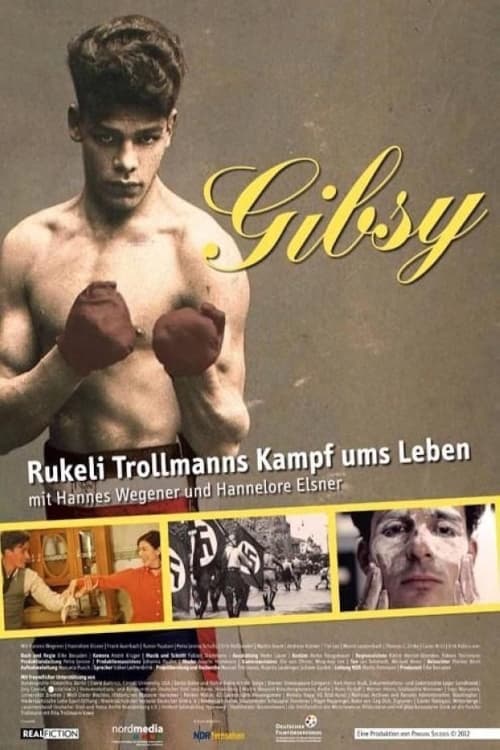
What challenges does Rukeli face in his boxing career due to his Romani heritage?
How does Rukeli's relationship with his family influence his journey?
What is the significance of Rukeli's boxing matches in the narrative?
How does Rukeli's character evolve throughout the film?
What role does the historical context of the 1930s play in Rukeli's story?
Should I watch it?
Ask Your Own Question

What is the plot?
More Movies Like This
Browse All Movies →



What is the ending?
Is there a post-credit scene?
What challenges does Rukeli face in his boxing career due to his Romani heritage?
Rukeli, a Romani boxer, faces significant challenges in his boxing career primarily due to the pervasive discrimination against his heritage. As he rises in the boxing world, he encounters prejudice from promoters and opponents who view him through a lens of stereotypes. This discrimination culminates in a pivotal moment when he is stripped of his title, not due to his performance in the ring, but because of his ethnicity, highlighting the societal barriers he must overcome.
How does Rukeli's relationship with his family influence his journey?
Rukeli's relationship with his family, particularly with his father, plays a crucial role in shaping his identity and motivations. His father, who is proud of their Romani heritage, instills in Rukeli a sense of pride and resilience. However, the family's struggles with poverty and societal rejection create a tension that Rukeli grapples with throughout his career. Their unwavering support provides him with strength, but also a burden as he seeks to prove himself in a world that often marginalizes them.
What is the significance of Rukeli's boxing matches in the narrative?
Rukeli's boxing matches serve as a microcosm of his larger struggle against societal prejudice and personal ambition. Each match is not just a test of his physical prowess but also a battle against the stereotypes that seek to define him. The intensity of these matches is heightened by the emotional stakes involved; they represent his fight for dignity and recognition in a world that often overlooks him. The outcomes of these matches directly impact his standing in the boxing community and his sense of self-worth.
How does Rukeli's character evolve throughout the film?
Throughout the film, Rukeli evolves from a hopeful and ambitious young boxer to a man deeply affected by the injustices he faces. Initially, he is driven by the desire to succeed and gain respect, but as he encounters systemic racism and personal loss, his motivations shift. He becomes more introspective, grappling with his identity and the implications of his heritage. This evolution is marked by moments of despair and resilience, ultimately leading him to a deeper understanding of his place in the world.
What role does the historical context of the 1930s play in Rukeli's story?
The historical context of the 1930s is pivotal in Rukeli's story, as it frames the societal attitudes towards Romani people and the rise of nationalism in Germany. This era is marked by increasing discrimination and the marginalization of minority groups, which directly impacts Rukeli's life and career. The film illustrates how the political climate of the time exacerbates the challenges he faces, making his struggle not just personal but also a reflection of the broader societal issues of the period.