
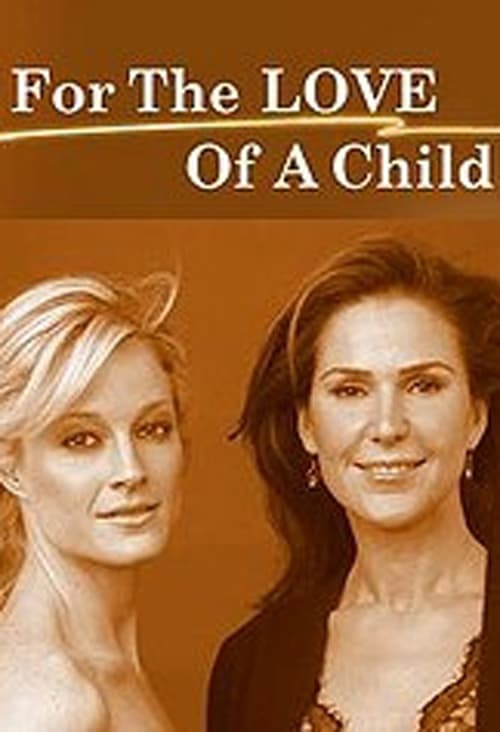













Popular
What challenges does the main character face in her journey to adopt a child?
How does the relationship between Mary and the child she wishes to adopt develop throughout the film?
What role does the foster care system play in the story?
What personal sacrifices does Mary make in her pursuit of adopting Emma?
How does the film depict the emotional struggles of the children in foster care?
Should I watch it?
Ask Your Own Question

What is the plot?
Sorry, we aren't able to watch and write up a full detailed plot yet. Check back in a few days.








What is the ending?
In the ending of "For the Love of a Child," the story culminates in a heartfelt resolution where the main characters confront their pasts and make significant decisions about their futures. The protagonist, a woman named Mary, ultimately decides to adopt a young girl named Emma, who has been through a traumatic experience. The film concludes with a sense of hope and new beginnings as Mary embraces her role as a mother, and Emma finds a loving home.
As the final scenes unfold, we see Mary standing in her living room, surrounded by boxes and remnants of her past life. The camera captures her contemplative expression, reflecting the weight of her decision. She has been through a journey of self-discovery, grappling with her own fears and insecurities about motherhood. The emotional stakes are high as she recalls her struggles and the moments that led her to this point.
In the next scene, we transition to a small, cozy room where Emma is sitting on the floor, playing with a few toys. The atmosphere is warm, yet tinged with sadness as Emma's past experiences linger in her mind. She has been through a lot, and her vulnerability is palpable. Mary enters the room, kneeling down to Emma's level, and they share a moment of connection. Mary gently reassures Emma that she is safe and loved, her voice filled with warmth and sincerity.
As the story progresses, we see Mary and Emma navigating their new relationship. They share small, tender moments that highlight their growing bond. Mary takes Emma to the park, where they laugh and play together, the sunlight casting a golden hue over their joyful interactions. This scene symbolizes the healing process for both characters, as they begin to trust each other and build a new life together.
The climax of the film occurs when Mary faces a critical decision regarding her commitment to Emma. There is a poignant scene where Mary reflects on her own childhood and the importance of family. She realizes that despite her fears, she cannot turn her back on Emma, who needs her now more than ever. This moment of clarity is powerful, showcasing Mary's transformation from uncertainty to determination.
In the final scenes, we see Mary officially adopting Emma in a small, intimate ceremony. The atmosphere is filled with love and support from friends and family who have witnessed their journey. As Mary signs the adoption papers, tears of joy stream down her face, and Emma looks up at her with wide, trusting eyes. This moment signifies not only the legal bond between them but also the emotional commitment they have made to each other.
The film concludes with a montage of Mary and Emma's life together, filled with laughter, love, and the challenges they face as a new family. The final shot captures them walking hand in hand down a sunlit path, symbolizing their journey ahead. The screen fades to black, leaving the audience with a sense of hope and the message that love can heal even the deepest wounds.
In summary, Mary embraces her role as a mother, and Emma finds a loving home, marking a new chapter in both of their lives. The film ends on a hopeful note, emphasizing the power of love and the importance of family.
Is there a post-credit scene?
The movie "For the Love of a Child," produced in 2006, does not contain a post-credit scene. The film concludes its narrative without any additional scenes or content after the credits roll. The story focuses on the emotional journey of a couple, played by actors who portray the challenges and triumphs of fostering a child, emphasizing themes of love, sacrifice, and the impact of family. The ending leaves viewers with a sense of resolution regarding the characters' arcs, making a post-credit scene unnecessary for the story's closure.
What challenges does the main character face in her journey to adopt a child?
The main character, a dedicated social worker named Mary, faces numerous challenges in her journey to adopt a child. She encounters bureaucratic obstacles, including lengthy paperwork and strict regulations that complicate the adoption process. Additionally, Mary struggles with her own emotional turmoil as she grapples with the loss of her own child, which intensifies her desire to provide a loving home for another child. Her determination is tested when she faces skepticism from her peers and the system, as well as the emotional weight of the children she works with.
How does the relationship between Mary and the child she wishes to adopt develop throughout the film?
Mary's relationship with the child, a young girl named Emma, evolves significantly throughout the film. Initially, Emma is withdrawn and distrustful due to her traumatic past. Mary approaches her with patience and compassion, gradually breaking down Emma's walls. As they spend time together, Mary shares her own story of loss, which resonates with Emma, allowing them to form a deep emotional bond. Their relationship is marked by tender moments, such as when Mary comforts Emma during a nightmare, showcasing the growing trust and love between them.
What role does the foster care system play in the story?
The foster care system is a central element in 'For the Love of a Child,' highlighting both its complexities and the emotional toll it takes on children and caregivers. The film portrays the system as a double-edged sword; while it aims to protect vulnerable children, it often fails to provide the stability and nurturing environment they desperately need. Mary navigates the challenges of the system, advocating for Emma and other children, while also confronting the harsh realities of foster care, including the emotional scars that children carry and the bureaucratic hurdles that hinder their chances of finding a permanent home.
What personal sacrifices does Mary make in her pursuit of adopting Emma?
Mary makes several personal sacrifices in her pursuit of adopting Emma. She dedicates countless hours to navigating the adoption process, often at the expense of her own social life and well-being. Her commitment leads her to forgo personal relationships, as friends and family express concern over her single-minded focus. Additionally, Mary faces financial strain due to the costs associated with the adoption process, yet she remains undeterred. Her sacrifices are driven by her deep desire to provide a loving home for Emma, reflecting her resilience and unwavering commitment to the child.
How does the film depict the emotional struggles of the children in foster care?
The film poignantly depicts the emotional struggles of children in foster care through various characters, particularly Emma. It showcases their feelings of abandonment, fear, and longing for stability. Emma's initial behavior--marked by anger and withdrawal--illustrates the trauma she has experienced. The film uses flashbacks and intimate moments to reveal the children's backstories, allowing viewers to empathize with their pain. Through interactions with Mary and other characters, the film highlights the importance of love, understanding, and patience in helping these children heal and find hope for the future.
Is this family friendly?
"For the Love of a Child," produced in 2006, is a family-friendly film that centers around themes of love, compassion, and the challenges faced by children in difficult circumstances. However, there are some potentially objectionable or upsetting aspects that may affect children or sensitive viewers:
-
Child Abuse Themes: The film addresses the serious issue of child abuse, which may be distressing for younger viewers or those sensitive to such topics.
-
Emotional Turmoil: Characters experience significant emotional struggles, including feelings of abandonment, fear, and sadness, which could be intense for some audiences.
-
Difficult Family Dynamics: The portrayal of strained family relationships and the impact of neglect can be upsetting, as it highlights the struggles of children in unstable environments.
-
Scenes of Conflict: There are moments of conflict and tension that may evoke strong emotions, including arguments and confrontations that could be unsettling.
-
Social Issues: The film touches on broader social issues related to child welfare and the foster care system, which may be heavy topics for younger viewers to process.
While the film ultimately conveys a message of hope and resilience, these elements may require parental guidance for younger audiences.