














Popular
What motivates Jacquou to become a rebel against the nobility?
How does Jacquou's relationship with his mother influence his actions?
What role does the character of the Count of Nansac play in Jacquou's journey?
How does Jacquou's friendship with the other peasants develop throughout the film?
What significant events lead to Jacquou's transformation from a boy to a leader?
Should I watch it?
Ask Your Own Question

What is the plot?
Sorry, we aren't able to watch and write up a full detailed plot yet. Check back in a few days.









What is the ending?
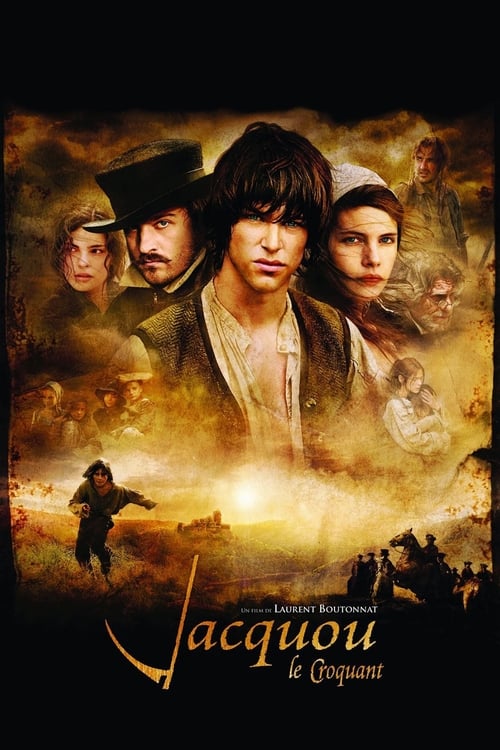
In the ending of "Jacquou the Rebel," Jacquou confronts the oppressive Count of Nansac, leading to a climactic battle. After a series of struggles, Jacquou ultimately finds a sense of justice and freedom for his people, but at a personal cost. The film concludes with Jacquou reflecting on his journey and the sacrifices made along the way.
As the final act unfolds, the tension escalates in the village as Jacquou rallies the peasants against the tyrannical Count of Nansac. The scene opens with Jacquou, now a determined young man, gathering his fellow villagers in a dimly lit barn. The air is thick with anticipation and fear, but Jacquou's fiery spirit ignites hope among them. He speaks passionately about their suffering and the need to rise against their oppressor, the Count, who has long exploited their labor and crushed their spirits.
The villagers, inspired by Jacquou's words, agree to join him in a rebellion. They arm themselves with makeshift weapons, their faces a mix of resolve and trepidation. The camera captures the raw emotion in their eyes, reflecting their desperation for change. As they march towards the Count's estate, the atmosphere is charged with a sense of impending confrontation.
The scene shifts to the Count's castle, where he is informed of the uprising. His demeanor is one of arrogance and disdain, believing that he can easily quell the rebellion. He orders his guards to prepare for battle, underestimating the resolve of the villagers. The contrast between the Count's opulence and the villagers' humble determination is stark, emphasizing the class divide that fuels the conflict.
As the villagers approach the castle, the tension reaches a boiling point. The battle erupts with chaos and violence. Jacquou leads the charge, his heart pounding with a mix of fear and adrenaline. The camera captures the brutality of the fight, with villagers clashing against the Count's soldiers. Jacquou's fierce determination is palpable as he fights not just for himself, but for the memory of his father and the freedom of his people.
In the midst of the battle, Jacquou confronts the Count. Their eyes lock in a moment charged with animosity and unresolved history. The Count, filled with rage, attempts to overpower Jacquou, but the young man's resolve is unyielding. In a climactic struggle, Jacquou manages to gain the upper hand, symbolizing the triumph of the oppressed over their oppressor. The Count, realizing his defeat, is left vulnerable and exposed, a stark contrast to his earlier arrogance.
As the dust settles, the villagers emerge victorious, but the victory is bittersweet. The camera pans over the aftermath of the battle, showing both the fallen and the survivors. Jacquou stands amidst the ruins, his expression a mix of triumph and sorrow. He has achieved justice for his people, but at the cost of lives and the innocence of his youth.
In the final scenes, Jacquou reflects on the journey he has taken. He visits the graves of those who fought alongside him, a poignant reminder of the sacrifices made. The emotional weight of loss hangs heavy in the air as he kneels, paying homage to his fallen comrades. The camera captures his face, a blend of grief and determination, as he vows to continue fighting for a better future.
The film concludes with Jacquou looking out over the horizon, symbolizing hope and the promise of change. He understands that the struggle for justice is ongoing, and while he has won this battle, the fight for freedom and equality will continue. The final shot lingers on his resolute expression, encapsulating the spirit of rebellion and the enduring quest for justice.
In the end, Jacquou emerges as a symbol of resilience, while the Count faces the consequences of his tyranny, stripped of power and influence. The villagers, united in their victory, begin to rebuild their lives, inspired by Jacquou's leadership and the hope he has instilled in them.
Is there a post-credit scene?
The movie "Jacquou the Rebel," produced in 2007, does not contain a post-credit scene. The film concludes its narrative without any additional scenes or content after the credits roll. The story wraps up with Jacquou's journey and the resolution of his struggles against the oppressive nobility, leaving the audience with a sense of closure regarding his fight for justice and freedom.
What motivates Jacquou to become a rebel against the nobility?
Jacquou is driven by a deep sense of injustice after witnessing the brutal treatment of his family and the oppression of the peasants by the local nobility, particularly the Count of Nansac. The execution of his father, who was wrongfully accused of a crime, ignites a fierce desire for revenge and justice within him, compelling him to take a stand against the oppressive social order.
How does Jacquou's relationship with his mother influence his actions?
Jacquou's relationship with his mother, who is a source of love and strength, profoundly influences his character. After the death of his father, she instills in him the values of resilience and the importance of fighting for what is right. Her unwavering support and teachings about dignity and honor fuel Jacquou's determination to seek justice for his family and the oppressed.
What role does the character of the Count of Nansac play in Jacquou's journey?
The Count of Nansac serves as the primary antagonist in Jacquou's journey. His cruel and tyrannical rule exemplifies the injustices faced by the peasantry. Jacquou's encounters with the Count highlight the stark power imbalance and serve as pivotal moments that deepen Jacquou's resolve to rebel. The Count's actions directly lead to the suffering of Jacquou's family, making him a personal target for Jacquou's quest for vengeance.
How does Jacquou's friendship with the other peasants develop throughout the film?
Jacquou's friendship with other peasants evolves as they unite against their common oppressor. Initially, he is isolated in his struggle, but as he rallies others to his cause, their camaraderie strengthens. This bond is marked by shared hardships and collective resistance, showcasing their growth from individual suffering to a united front against the Count's tyranny. Their friendship becomes a source of hope and motivation for Jacquou.
What significant events lead to Jacquou's transformation from a boy to a leader?
Jacquou's transformation is marked by several significant events, including the traumatic loss of his father, the harsh realities of peasant life under the Count's rule, and his experiences in the wilderness. Each encounter with injustice and betrayal hardens his resolve and sharpens his leadership skills. His journey from a grieving boy to a determined leader is punctuated by moments of bravery, strategic thinking, and the ability to inspire others to join his fight for justice.
Is this family friendly?
"Jacquou the Rebel," produced in 2007, is a historical drama that contains several themes and scenes that may be considered objectionable or upsetting for children or sensitive viewers.
-
Violence and Oppression: The film depicts the harsh realities of peasant life in 19th-century France, including scenes of violence and oppression by the ruling class. There are moments of physical confrontations and the portrayal of the struggles faced by the protagonist and his family.
-
Death and Loss: The story involves significant themes of loss, including the death of family members and the impact of these events on the protagonist, Jacquou. These moments are emotionally charged and may be distressing for younger viewers.
-
Injustice and Cruelty: The film explores themes of social injustice, with scenes that illustrate the cruelty of the nobility towards the peasants. This can be upsetting as it highlights the suffering of the characters.
-
Emotional Turmoil: Jacquou experiences deep emotional pain and anger throughout the film, which may resonate strongly with sensitive viewers. His journey is marked by feelings of betrayal and a desire for revenge, which could be intense for younger audiences.
-
Dark Themes: The overall atmosphere of the film can be quite somber, dealing with themes of rebellion, despair, and the fight for justice, which may not be suitable for all children.
These elements contribute to a narrative that, while rich in historical context and character development, may require parental guidance for younger viewers.