







Popular
What role does Randle McMurphy play in the dynamics of the mental institution?
How does Nurse Ratched maintain control over the patients?
What is the significance of Chief Bromden's perspective in the story?
How does the character of Danny become influenced by McMurphy?
What is the impact of the fishing trip on the patients?
Should I watch it?
Ask Your Own Question

What is the plot?
Sorry, we aren't able to watch and write up a full detailed plot yet. Check back in a few days.






What is the ending?
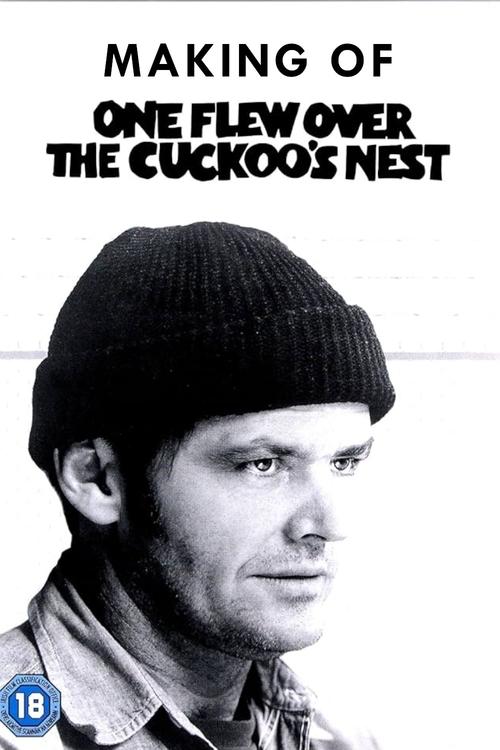
The movie "Making of One Flew Over the Cuckoo's Nest" does not have a traditional narrative ending as it is a documentary about the making of the iconic film "One Flew Over the Cuckoo's Nest." It explores the behind-the-scenes processes, the challenges faced during production, and the impact of the film on its cast and crew.
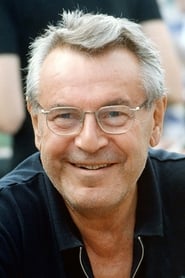
In a more detailed narrative, the documentary concludes by reflecting on the legacy of "One Flew Over the Cuckoo's Nest." It showcases interviews with key figures involved in the film, including director Milos Forman, producer Michael Douglas, and actors such as Jack Nicholson and Louise Fletcher. They discuss the cultural significance of the film, its themes of individuality versus institutional control, and the performances that brought the characters to life.
The documentary highlights the emotional weight of the story, emphasizing how the characters' struggles resonate with audiences. It captures the essence of the film's impact on mental health awareness and the portrayal of patients in psychiatric institutions. The ending scenes feature archival footage and photographs from the film's release, celebrating its critical acclaim and the awards it garnered, including the Academy Awards.
As the documentary wraps up, it leaves viewers with a sense of appreciation for the artistry involved in creating a film that not only entertained but also provoked thought and discussion about societal issues. The fates of the main characters from the original film are not directly addressed in this documentary, as it focuses on the making of the film rather than the narrative of the characters themselves.
Is there a post-credit scene?
The documentary "Making of One Flew Over the Cuckoo's Nest," produced in 2009, does not feature a post-credit scene. The film primarily focuses on the behind-the-scenes aspects of the iconic 1975 movie "One Flew Over the Cuckoo's Nest," exploring the creative process, the challenges faced during production, and the impact of the film on both the cast and the audience. It provides insights into the performances, direction, and the adaptation of Ken Kesey's novel, but it concludes without any additional scenes or content after the credits.
What role does Randle McMurphy play in the dynamics of the mental institution?
Randle McMurphy, portrayed by actor Jack Nicholson, is a rebellious and charismatic inmate who enters the mental institution with a defiant attitude. His arrival disrupts the oppressive environment established by Nurse Ratched, as he challenges her authority and encourages other patients to assert their individuality. McMurphy's motivations stem from a desire for freedom and a disdain for the dehumanizing treatment of the patients. His interactions with the other characters, particularly Chief Bromden, highlight his role as a catalyst for change and rebellion.
How does Nurse Ratched maintain control over the patients?
Nurse Ratched, played by Louise Fletcher, employs a combination of psychological manipulation and strict routines to maintain control over the patients in the ward. She uses her calm demeanor to instill fear and compliance, often belittling the patients and undermining their self-esteem. Her methods include group therapy sessions where she exerts power over the patients by exposing their vulnerabilities. Ratched's motivations are rooted in her desire for order and control, and she views McMurphy as a direct threat to her authority.
What is the significance of Chief Bromden's perspective in the story?
Chief Bromden, portrayed by Will Sampson, serves as the narrator of the story, providing a unique perspective on the events within the mental institution. His experiences of being a half-Indian patient who pretends to be deaf and mute allow him to observe the dynamics between the staff and patients without interference. Bromden's internal struggles with his identity and the oppressive nature of the institution are revealed through his vivid hallucinations and metaphors, particularly the 'Combine,' which symbolizes the dehumanizing forces of society. His eventual awakening and alliance with McMurphy highlight themes of empowerment and resistance.
How does the character of Danny become influenced by McMurphy?
Danny, a young and impressionable patient, is significantly influenced by McMurphy's arrival and rebellious spirit. Initially timid and compliant, Danny begins to find courage through McMurphy's encouragement to stand up for himself and challenge the status quo. McMurphy's antics, such as organizing a fishing trip and encouraging the patients to assert their desires, inspire Danny to break free from his fears. This transformation is pivotal as it illustrates the impact of McMurphy's character on the other patients, fostering a sense of camaraderie and empowerment.
What is the impact of the fishing trip on the patients?
The fishing trip organized by McMurphy serves as a turning point for the patients, providing them with a rare opportunity to experience freedom and camaraderie outside the confines of the institution. The trip allows them to bond over shared experiences, engage in laughter, and reclaim a sense of normalcy. For characters like Chief Bromden and Danny, the trip symbolizes a break from the oppressive environment of the ward and a chance to assert their identities. The joy and liberation felt during this outing contrast sharply with the control exerted by Nurse Ratched, highlighting the importance of personal agency and connection.
Is this family friendly?
The documentary "Making of One Flew Over the Cuckoo's Nest" produced in 2009 delves into the behind-the-scenes aspects of the iconic film. While it primarily focuses on the filmmaking process, there are several elements that may be considered objectionable or upsetting for children or sensitive viewers:
-
Mental Health Themes: The documentary discusses the portrayal of mental illness, which may be distressing for some viewers, especially those with personal experiences related to mental health.
-
Graphic Discussions: There are candid conversations about the treatment of patients in mental institutions during the time period, including references to lobotomies and other harsh treatments.
-
Emotional Struggles: The documentary features interviews with cast and crew that may touch on personal struggles, including the emotional toll of portraying complex characters dealing with mental health issues.
-
Language: There may be instances of strong language or adult themes discussed in the context of the film's production and the era it represents.
-
Historical Context: The documentary may include discussions of societal attitudes towards mental health that could be upsetting, particularly in how they reflect past injustices.
Overall, while the documentary is informative and insightful, it contains themes and discussions that may not be suitable for younger audiences or those sensitive to the topics of mental health and institutional treatment.