
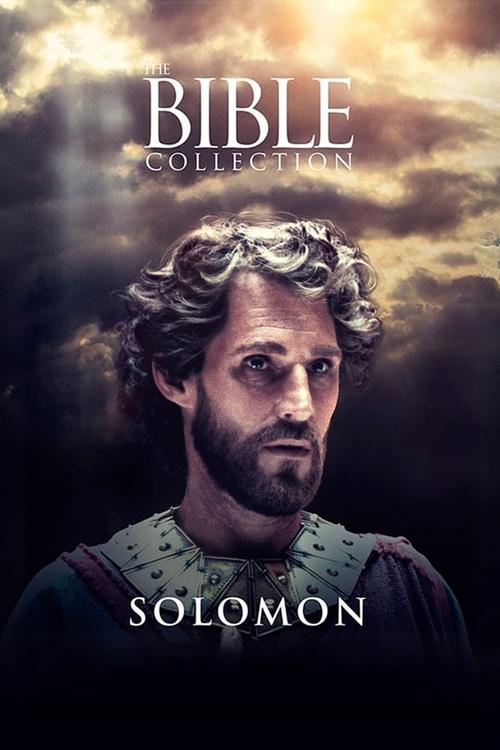




























Popular
What challenges does Solomon face in his quest for wisdom?
How does Solomon's relationship with the Queen of Sheba develop throughout the film?
What role does the character of Adonijah play in Solomon's story?
How does Solomon demonstrate his wisdom in the famous judgment scene?
What internal conflicts does Solomon experience regarding his faith and leadership?
Should I watch it?
Ask Your Own Question

What is the plot?
Sorry, we aren't able to watch and write up a full detailed plot yet. Check back in a few days.
More Movies Like This
Browse All Movies →







What is the ending?
In the ending of the movie "Solomon," King Solomon faces the consequences of his actions and the choices he has made throughout his reign. After a series of trials and tribulations, he ultimately seeks wisdom and guidance from God, leading to a resolution of the conflicts surrounding him. The film concludes with Solomon's realization of the importance of faith and the need for humility in leadership.
As the final scenes unfold, we see Solomon grappling with the weight of his decisions. The camera captures his furrowed brow and the deep lines of worry etched on his face, reflecting the burden of kingship. He stands in the grand palace, surrounded by opulence, yet feeling an emptiness that wealth cannot fill. The once vibrant colors of his surroundings now seem muted, symbolizing his internal struggle.
In a pivotal moment, Solomon gathers his advisors and subjects, addressing them with a newfound clarity. His voice, once commanding and authoritative, now carries a tone of vulnerability. He speaks of the importance of wisdom over riches, urging his people to seek righteousness and justice. The crowd listens intently, their expressions shifting from skepticism to respect as they recognize the sincerity in his words.
As the scene transitions, we see a montage of Solomon's reign, highlighting the changes he implements. He begins to dismantle the excesses of his court, redistributing wealth to the poor and focusing on the welfare of his people. The camera pans over the city, showing the transformation from a place of greed to one of hope and community. The once-divided factions within his kingdom start to unite, inspired by Solomon's commitment to justice.
In the final moments, Solomon stands alone on a balcony overlooking the city. The sun sets in the background, casting a warm glow over the landscape. He reflects on his journey, acknowledging his past mistakes but also embracing the lessons learned. The film closes with a shot of Solomon, a solitary figure against the vastness of the sky, symbolizing his acceptance of his role as a leader who must balance power with humility.
The fates of the main characters are intertwined with Solomon's journey. His advisors, who once sought personal gain, begin to align with his vision of a just kingdom. The people, initially disillusioned, find renewed faith in their king. Solomon's relationship with God deepens, as he seeks divine guidance to lead his people wisely. Ultimately, the film leaves viewers with a sense of hope, emphasizing the transformative power of wisdom and the importance of leading with integrity.
Is there a post-credit scene?
The movie "Solomon," produced in 1997, does not have a post-credit scene. The film concludes its narrative without any additional scenes or content after the credits roll. The story wraps up with the resolution of King Solomon's journey, focusing on his wisdom, his relationships, and the moral lessons he imparts throughout the film. The ending emphasizes the themes of justice, love, and the complexities of human nature, leaving the audience with a sense of closure regarding Solomon's character and his legacy.
What challenges does Solomon face in his quest for wisdom?
In the film 'Solomon,' Solomon faces numerous challenges that test his wisdom and leadership. He grapples with the complexities of ruling a nation, including dealing with dissent among his people and navigating the treacherous political landscape. His encounters with adversaries, such as the Queen of Sheba, also challenge his intellect and moral compass, forcing him to make difficult decisions that reflect his character's depth.
How does Solomon's relationship with the Queen of Sheba develop throughout the film?
The relationship between Solomon and the Queen of Sheba evolves from initial curiosity and admiration to a deep emotional connection. Their interactions are marked by intellectual sparring, as both characters challenge each other's beliefs and values. As they spend time together, Solomon's wisdom captivates the Queen, while her strength and independence intrigue him, leading to a mutual respect that transcends their political differences.
What role does the character of Adonijah play in Solomon's story?
Adonijah, Solomon's older brother, plays a significant role as a rival for the throne. His ambition and desire to claim kingship create tension within the royal family. Adonijah's actions, including attempting to gather support for his claim, force Solomon to confront issues of loyalty, betrayal, and the heavy burden of leadership. This rivalry ultimately shapes Solomon's character and his approach to ruling.
How does Solomon demonstrate his wisdom in the famous judgment scene?
In the iconic judgment scene, two women claim to be the mother of a baby, and Solomon must determine the true mother. He proposes to cut the baby in half, revealing his wisdom as he observes the reactions of the women. The real mother immediately offers to give up her claim to save the child's life, showcasing Solomon's ability to discern truth and compassion in a moment of crisis, solidifying his reputation as a wise ruler.
What internal conflicts does Solomon experience regarding his faith and leadership?
Throughout the film, Solomon grapples with internal conflicts about his faith and the responsibilities of leadership. He struggles with the expectations placed upon him as a king and the desire to remain true to his beliefs. This tension is heightened by the temptations he faces, including the influence of foreign women and the pressure to compromise his values for political gain, leading to moments of doubt and reflection on his role as a leader.
Is this family friendly?
The movie "Solomon," produced in 1997, is a biblical drama that portrays the life of King Solomon, known for his wisdom and his complex relationships. While the film is generally family-friendly, there are a few scenes and themes that may be considered objectionable or upsetting for children or sensitive viewers:
-
Violence and Warfare: The film includes depictions of battles and conflicts, which may be intense for younger audiences. There are scenes showing the consequences of war, including injuries and the emotional toll on characters.
-
Themes of Betrayal and Deception: The narrative explores themes of betrayal, particularly in relationships, which may be difficult for younger viewers to fully understand or process.
-
Moral Dilemmas: Solomon faces various moral challenges, including issues of justice and fairness, which may provoke deeper thoughts and discussions that some children might find confusing or distressing.
-
Romantic Relationships: The film includes romantic elements and relationships that may not be suitable for very young viewers, particularly in the context of Solomon's multiple wives and the complexities of those relationships.
-
Death and Loss: There are moments that deal with loss and the impact of death on characters, which could be emotionally heavy for sensitive viewers.
Overall, while "Solomon" is a historical and religious film, parents may want to consider these aspects when deciding if it is appropriate for their children.









