











Popular
What role does Louis Armstrong play in the series and how does his character develop throughout the episodes?
How does the series depict the relationship between Duke Ellington and his band members?
What challenges does Billie Holiday face in her career as depicted in the series?
How does the series portray the impact of the Harlem Renaissance on jazz music and its artists?
What is the significance of the character of Jelly Roll Morton in the series?
Should I watch it?
Ask Your Own Question

What is the plot?
"Jazz," produced in 2001, is a documentary series that explores the history and evolution of jazz music through a series of episodes. The narrative is structured chronologically, tracing the roots of jazz from its origins to its impact on culture and society.
The series begins in the late 19th century, focusing on the origins of jazz in New Orleans. It highlights the cultural melting pot of the city, where African, European, and Caribbean musical traditions converge. The episode introduces key figures such as Buddy Bolden, whose innovative cornet playing is depicted through archival photographs and reenactments. The emotional weight of the music is emphasized, showcasing how it reflects the struggles and joys of the African American community.
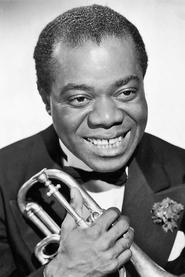
As the narrative progresses, the series delves into the early 20th century, detailing the migration of jazz musicians to Chicago and New York. The Great Migration is illustrated through personal stories of musicians seeking better opportunities. Louis Armstrong emerges as a pivotal figure, with his unique trumpet style and charismatic stage presence. The series captures his rise to fame, including his groundbreaking recordings and the emotional resonance of his music, which speaks to themes of hope and resilience.
The next sequence focuses on the 1920s, known as the Jazz Age. The series portrays the cultural explosion of jazz during this time, with vibrant visuals of speakeasies and dance halls. The narrative highlights the influence of Duke Ellington and his orchestra, showcasing their performances at the Cotton Club. The emotional highs and lows of the era are depicted, including the challenges faced by African American musicians in a segregated society.
As the story unfolds, the series transitions into the 1930s and 1940s, exploring the evolution of jazz into swing music. The impact of the Great Depression on musicians is examined, with a focus on figures like Benny Goodman, who helped popularize swing. The series captures the excitement of big band performances and the emotional connection between musicians and their audiences. Key decisions made by bandleaders to adapt to changing tastes are highlighted, showcasing their resilience and creativity.
The narrative then shifts to the bebop movement of the 1940s, introducing innovators like Charlie Parker and Dizzy Gillespie. The series illustrates the complexity of bebop through detailed musical analysis and performance footage. The emotional intensity of the music is emphasized, reflecting the struggles of the musicians as they push the boundaries of jazz. The internal conflicts faced by these artists, including addiction and societal pressures, are poignantly depicted.
As the series progresses into the 1950s and 1960s, it explores the emergence of cool jazz and modal jazz. Figures like Miles Davis and John Coltrane are spotlighted, with their groundbreaking works reshaping the jazz landscape. The series captures the emotional depth of their music, reflecting personal and societal changes during the civil rights movement. Key decisions made by these artists to experiment with form and style are illustrated, showcasing their artistic evolution.
The final episodes of the series address the fusion of jazz with other genres, including rock and funk. The narrative highlights the contributions of artists like Herbie Hancock and Weather Report, showcasing their innovative approaches to music. The emotional journey of jazz is encapsulated through interviews with contemporary musicians who reflect on the genre's legacy and its ongoing influence.
The series concludes by celebrating the enduring spirit of jazz, emphasizing its role as a voice for freedom and expression. The emotional resonance of the music is underscored, leaving viewers with a profound appreciation for the art form and its rich history. The final scenes feature a montage of performances, capturing the vibrancy and diversity of jazz, and its ability to connect people across generations.









What is the ending?
The ending of the TV show "Jazz," produced in 2001, culminates in a celebration of the genre's rich history and its profound impact on American culture. The series concludes with a montage of iconic jazz performances, highlighting the contributions of legendary musicians. The final scenes emphasize the enduring legacy of jazz, showcasing its evolution and the emotional resonance it holds for both artists and audiences.
In a more detailed narrative, the ending unfolds as follows:
As the final episode progresses, the screen transitions to a dimly lit jazz club, the atmosphere thick with anticipation. The camera pans across the audience, capturing the diverse faces of jazz lovers, each person reflecting a deep appreciation for the music that has shaped their lives. The sound of a trumpet fills the air, and the spotlight shines on a seasoned musician, his fingers dancing over the keys of a grand piano. This musician, embodying the spirit of jazz, is a representation of the countless artists who have poured their souls into this genre.
The scene shifts to a series of flashbacks, interspersed with live performances. We see the young Louis Armstrong, his infectious smile lighting up the stage as he plays his trumpet, a symbol of joy and resilience. The narrative weaves through the lives of other jazz legends, including Duke Ellington and Billie Holiday, showcasing their struggles and triumphs. Each flashback is accompanied by a voiceover that narrates their journeys, filled with passion, heartbreak, and the relentless pursuit of artistic expression.
As the montage continues, the camera captures the evolution of jazz through the decades. We see the transition from the soulful sounds of the early 20th century to the experimental styles of the 1960s and beyond. The visuals are vibrant, with musicians in various settings--smoky bars, grand concert halls, and intimate gatherings--each scene pulsating with the rhythm of the music. The audience is shown swaying, clapping, and losing themselves in the melodies, illustrating the universal language of jazz.
In the final moments, the screen fades to black, and the words "Jazz is a living art" appear, underscoring the message that the genre is not just a relic of the past but a dynamic force that continues to inspire new generations. The series closes with a final shot of a young musician, inspired by the legends before him, picking up his instrument and stepping onto the stage, ready to contribute his voice to the ongoing story of jazz.
The fate of the main characters, represented through the musicians and their legacies, is one of celebration and remembrance. Each artist, whether shown in their prime or through archival footage, is immortalized in the hearts of those who cherish their contributions. The series ends on a hopeful note, suggesting that while individual lives may come to an end, the spirit of jazz will forever resonate, bridging the past with the future.
Is there a post-credit scene?
The 2001 documentary series "Jazz," directed by Ken Burns, does not feature post-credit scenes. The series is structured as a comprehensive exploration of the history and evolution of jazz music, divided into ten episodes. Each episode concludes with a summary of the themes discussed, often accompanied by musical performances and reflections from various jazz musicians and historians. The focus remains on the narrative of jazz rather than on additional scenes or content after the credits. The series aims to provide a deep understanding of the cultural and social contexts surrounding jazz, rather than leaving viewers with cliffhangers or additional scenes typical of fictional narratives.
What role does Louis Armstrong play in the series and how does his character develop throughout the episodes?
Louis Armstrong is portrayed as a pivotal figure in the evolution of jazz music. His character is introduced as a young, ambitious musician with a passion for innovation. As the series progresses, viewers witness his transformation from a street performer in New Orleans to a celebrated jazz icon. His internal struggles with fame, racial prejudice, and personal relationships are explored, showcasing his resilience and dedication to his craft.
How does the series depict the relationship between Duke Ellington and his band members?
The series illustrates Duke Ellington as a charismatic and visionary leader, whose relationship with his band members is complex and multifaceted. Throughout the episodes, Ellington's interactions reveal a blend of mentorship and tension, as he pushes his musicians to explore their creativity while also grappling with the pressures of maintaining a cohesive sound. The emotional dynamics within the band highlight themes of loyalty, ambition, and the sacrifices made for artistic expression.
What challenges does Billie Holiday face in her career as depicted in the series?
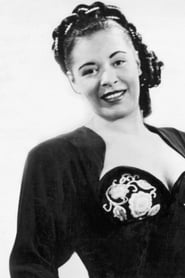
Billie Holiday's character is portrayed as a deeply emotional and talented singer who faces numerous challenges throughout her career. The series delves into her struggles with addiction, the impact of racism, and her tumultuous relationships. These elements contribute to her vulnerability and strength, as she navigates the music industry while trying to maintain her artistic integrity. Her performances are depicted as cathartic experiences, reflecting her personal pain and resilience.
How does the series portray the impact of the Harlem Renaissance on jazz music and its artists?
The series vividly captures the cultural explosion of the Harlem Renaissance, showcasing its profound influence on jazz music and its artists. Through vibrant scenes of nightlife, poetry readings, and art, viewers see how this movement fosters a sense of community and creativity among African American musicians. The characters are shown drawing inspiration from the era's artistic freedom, which fuels their passion for jazz and shapes their identities as artists.
What is the significance of the character of Jelly Roll Morton in the series?
Jelly Roll Morton is depicted as a controversial and ambitious figure in the jazz world, representing both innovation and conflict. His character is introduced as a self-proclaimed 'inventor of jazz,' and the series explores his complex personality, marked by arrogance and brilliance. Morton's interactions with other musicians often lead to rivalries, showcasing the competitive nature of the jazz scene. His contributions to the genre are highlighted, but so are the personal and professional challenges he faces, illustrating the duality of his legacy.
Is this family friendly?
The TV show "Jazz," produced in 2001, is a documentary series that explores the history and cultural significance of jazz music. While it is an educational and artistic portrayal of the genre, there are several aspects that may be considered objectionable or upsetting for children or sensitive viewers:
-
Historical Context of Racism: The series delves into the racial discrimination and struggles faced by African American musicians throughout history. This includes discussions of segregation, violence, and systemic racism, which may be difficult for younger audiences to understand.
-
Depictions of Substance Abuse: Some segments touch on the lives of jazz musicians who struggled with addiction, including alcohol and drug use. These portrayals may be unsettling for sensitive viewers.
-
Emotional Struggles: The series highlights the personal challenges and emotional turmoil faced by many artists, including themes of depression and loneliness, which could be heavy for younger viewers.
-
Violence and Crime: There are references to violence in the lives of some musicians, including crime-related incidents that may be distressing.
-
Mature Themes: The series discusses adult themes such as love, loss, and betrayal, which may not be suitable for all children.
Overall, while "Jazz" is a rich and informative exploration of music and culture, its mature themes and historical context may require parental guidance for younger audiences.