













Popular
What challenges does Fitz face in his relationship with his father during Season 2?
How does the character of Larry evolve throughout Season 2?
What role does the character of Jodie play in Fitz's life during Season 2?
How does Fitz's business venture impact his personal life in Season 2?
What is the significance of the recurring theme of deception in Fitz's interactions with other characters?
Should I watch it?
Ask Your Own Question

What is the plot?
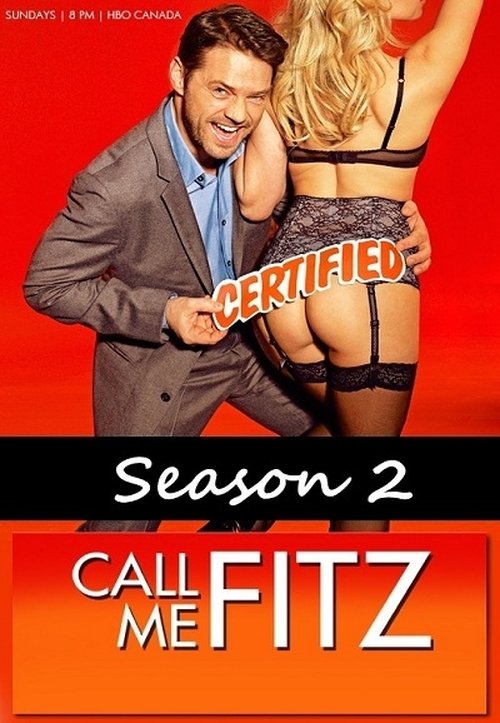
In the season opener of "Call Me Fitz," we find Fitz, played by Jason Priestley, grappling with the aftermath of his tumultuous life choices. He is still reeling from the fallout of his previous actions, particularly his strained relationships with his family and friends. Fitz's internal conflict is palpable as he navigates his role as a car dealer, trying to maintain his reputation while dealing with the consequences of his past.
As the episode progresses, Fitz's alter ego, the morally dubious and often manipulative "Fitz," continues to influence his decisions. Fitz's interactions with his employees, particularly with his assistant, the ever-loyal but naive Larry, highlight the tension between his desire for redemption and his inclination towards self-sabotage. Larry's unwavering support for Fitz serves as a stark contrast to Fitz's self-destructive tendencies.
In a pivotal scene, Fitz is confronted by his estranged father, who unexpectedly arrives at the dealership. This encounter forces Fitz to confront his unresolved feelings about his family and his upbringing. The emotional weight of this confrontation is significant, as it reveals Fitz's deep-seated insecurities and his struggle for acceptance. The tension escalates when Fitz's father criticizes his life choices, leading to a heated argument that culminates in Fitz storming out, further deepening the rift between them.
The plot thickens when Fitz's romantic interest, a woman named "Jenna," re-enters his life. Their chemistry is undeniable, but Fitz's fear of commitment and his tendency to sabotage relationships create a barrier. Jenna's presence reignites Fitz's desire for a meaningful connection, but he grapples with his instinct to push her away. This internal struggle is depicted through a series of flashbacks that reveal Fitz's past heartbreaks and his reluctance to open up emotionally.
As the season unfolds, Fitz's business dealings become increasingly complicated. He faces pressure from rival car dealers and must navigate the cutthroat world of automotive sales. A significant plot point arises when Fitz discovers that a competitor is attempting to undermine his dealership by spreading rumors. This revelation ignites Fitz's competitive spirit, and he devises a plan to counteract the smear campaign, showcasing his cunning and resourcefulness.
In a dramatic twist, Fitz's actions lead to unintended consequences that threaten his relationships with those closest to him. His decision to retaliate against his rival backfires, resulting in a public confrontation that puts his dealership's reputation at risk. The fallout from this incident forces Fitz to reevaluate his priorities and the impact of his choices on his personal and professional life.
Throughout the season, Fitz's relationship with Larry becomes increasingly strained as Larry begins to question Fitz's judgment. This tension culminates in a pivotal moment when Larry confronts Fitz about his reckless behavior, demanding that he take responsibility for his actions. This confrontation serves as a turning point for Fitz, prompting him to reflect on his life and the people he has hurt along the way.
As the season progresses, Fitz's journey towards self-discovery is marked by a series of ups and downs. He experiences moments of clarity and growth, but also relapses into old habits. The emotional stakes rise as Fitz faces new challenges, including a potential romantic entanglement with Jenna that forces him to confront his fears of intimacy.
In the season finale, Fitz is faced with a critical decision that will determine the course of his future. He must choose between pursuing a new opportunity that could elevate his career or staying true to his values and the people who have supported him. This moment of reckoning is fraught with tension, as Fitz weighs the potential rewards against the risk of losing everything he has worked for.
Ultimately, Fitz's choice reflects his ongoing struggle for redemption and the desire to forge a better path for himself. The season concludes with a cliffhanger that leaves viewers questioning Fitz's fate and the impact of his decisions on those around him, setting the stage for further exploration of his character in future seasons.









What is the ending?
In the season finale of "Call Me Fitz," Fitz faces the consequences of his actions as he navigates a series of personal and professional challenges. The episode culminates in a confrontation that forces Fitz to confront his own flaws and the impact of his choices on those around him. The season ends with Fitz making a significant decision about his future, while the fates of the supporting characters are also revealed, setting the stage for potential changes in their relationships and lives.
As the episode begins, Fitz is grappling with the fallout from his recent decisions. He is in a state of turmoil, feeling the weight of his past mistakes and the impact they have had on his relationships, particularly with his assistant, Larry, and his estranged father. The tension is palpable as Fitz tries to maintain his usual bravado, but it is clear that he is struggling internally.
In a pivotal scene, Fitz confronts his father, who has returned to his life unexpectedly. The confrontation is charged with emotion, as Fitz expresses years of pent-up frustration and resentment. His father, in turn, reveals his own vulnerabilities, leading to a moment of unexpected connection between them. This scene highlights Fitz's deep-seated issues with abandonment and his desire for validation, showcasing the complexity of their relationship.
Meanwhile, Larry is dealing with his own challenges, feeling overshadowed by Fitz's chaotic lifestyle. He grapples with feelings of inadequacy and the desire to break free from Fitz's influence. In a moment of clarity, Larry decides to take a stand for himself, leading to a confrontation with Fitz that forces both characters to reevaluate their dynamic. This scene is crucial as it marks a turning point for Larry, who begins to assert his independence.
As the episode progresses, Fitz's romantic entanglements come to a head. He finds himself torn between his feelings for a woman he has been seeing and the realization that he is not ready for a committed relationship. This internal conflict culminates in a dramatic scene where Fitz must choose between pursuing a genuine connection or retreating into his old habits of self-sabotage. The emotional stakes are high, and the audience can feel Fitz's struggle as he weighs his options.
In the final act, the various storylines converge as Fitz faces a major crisis that threatens his business and personal life. The pressure mounts, and Fitz is forced to make a choice that will define his future. In a moment of clarity, he decides to take responsibility for his actions, signaling a potential shift in his character arc. This decision is not without its consequences, as it leads to a fallout with those closest to him, including Larry and his romantic interest.
The episode concludes with Fitz standing at a crossroads, contemplating the path ahead. The final scenes depict the aftermath of his choices, with Larry embarking on a new journey of self-discovery, and Fitz left to navigate the complexities of his relationships and the consequences of his actions. The season ends on a note of uncertainty, leaving the audience to ponder the future of Fitz and the characters who have been intertwined in his chaotic life.
In summary, the ending of season 2 of "Call Me Fitz" encapsulates the themes of personal growth, the struggle for identity, and the impact of relationships, setting the stage for potential developments in the characters' lives as they move forward.
Is there a post-credit scene?
In Season 2 of "Call Me Fitz," there is no post-credit scene. The episodes conclude without any additional scenes or content after the credits roll. The focus remains on the main narrative and character development throughout the season, with each episode wrapping up its storylines without extending into a post-credit sequence. The series maintains its comedic and dramatic tone, emphasizing Fitz's chaotic life and the relationships around him, but does not include any hidden scenes or teasers after the credits.
What challenges does Fitz face in his relationship with his father during Season 2?
In Season 2 of Call Me Fitz, Fitz grapples with his complicated relationship with his father, who embodies the very traits Fitz despises. The tension escalates as Fitz tries to assert his independence while simultaneously dealing with his father's manipulative tendencies. This conflict is highlighted in various scenes where Fitz's attempts to break free from his father's influence are met with resistance, leading to emotional confrontations that reveal Fitz's deep-seated insecurities and desire for approval.
How does the character of Larry evolve throughout Season 2?
Larry, Fitz's loyal but often misguided assistant, experiences significant growth in Season 2. Initially portrayed as a bumbling sidekick, Larry begins to assert himself more, particularly in his interactions with Fitz. He struggles with his own moral compass, often caught between loyalty to Fitz and his own ethical dilemmas. This internal conflict is showcased in scenes where Larry must choose between supporting Fitz's questionable decisions or standing up for what he believes is right, leading to moments of tension and self-discovery.
What role does the character of Jodie play in Fitz's life during Season 2?
Jodie, Fitz's love interest, plays a pivotal role in Season 2 as she challenges Fitz's reckless lifestyle and emotional detachment. Their relationship is fraught with ups and downs, as Jodie pushes Fitz to confront his flaws and take responsibility for his actions. Key scenes depict their passionate encounters juxtaposed with heated arguments, revealing Fitz's struggle to balance his desire for intimacy with his fear of vulnerability. Jodie's influence forces Fitz to reevaluate his priorities and ultimately leads to significant character development.
How does Fitz's business venture impact his personal life in Season 2?
Fitz's foray into a new business venture in Season 2 serves as a double-edged sword, impacting both his professional and personal life. As he becomes increasingly consumed by the demands of the business, his relationships begin to suffer. Scenes depict Fitz's frantic attempts to juggle work commitments with his personal life, leading to moments of frustration and isolation. The pressure of the business also exacerbates his existing flaws, causing rifts with friends and family, and forcing Fitz to confront the consequences of his ambition.
What is the significance of the recurring theme of deception in Fitz's interactions with other characters?
Throughout Season 2, deception plays a crucial role in Fitz's interactions, highlighting the complexities of trust and betrayal. Fitz often employs manipulation and lies to navigate his relationships, particularly with Jodie and Larry. Key scenes illustrate how these deceptions create a web of misunderstandings, leading to emotional fallout and conflict. The theme of deception not only drives the plot forward but also serves as a mirror to Fitz's internal struggles, revealing his fear of intimacy and commitment.
Is this family friendly?
"Call Me Fitz" is a dark comedy that often explores adult themes and contains content that may not be suitable for children or sensitive viewers. Here are some potentially objectionable aspects:
-
Strong Language: The show frequently includes profanity and crude language, which may not be appropriate for younger audiences.
-
Sexual Content: There are scenes that involve sexual innuendos, suggestive situations, and adult relationships that are depicted in a humorous but explicit manner.
-
Substance Use: Characters are shown engaging in drinking and drug use, which is portrayed as part of the lifestyle of the main character.
-
Dark Humor: The series often employs dark humor that deals with themes of morality, betrayal, and dysfunctional relationships, which may be upsetting for some viewers.
-
Violence: While not overly graphic, there are instances of physical confrontations and aggressive behavior that could be unsettling.
-
Emotional Turmoil: Characters experience significant emotional struggles, including issues related to family dynamics, personal failures, and existential crises, which may resonate negatively with sensitive viewers.
Overall, the show is geared towards an adult audience and contains themes and content that may not be suitable for children or those who are sensitive to such material.