









Popular
What incident leads to Fitz being involved in a public disturbance?
How does the character of Larry react to Fitz's actions during the public disturbance?
What role does the character of Jodie play in the public disturbance incident?
How does Fitz's relationship with his father influence his behavior during the episode?
What consequences does Fitz face as a result of the public disturbance?
Should I watch it?
Ask Your Own Question

What is the plot?
The episode "Public Disturbance" begins with Fitz, the main character, waking up in his usual chaotic environment. He is confronted by his assistant, Larry, who informs him that there is a public disturbance outside the office. Fitz, always looking for a way to capitalize on situations, decides to investigate the commotion, hoping to turn it into a business opportunity.
As Fitz steps outside, he finds a group of protesters rallying against a local business that he has a connection with. The protesters are loud and passionate, holding signs and chanting slogans. Fitz, intrigued by the potential for publicity, approaches the crowd to gauge their sentiments. He quickly realizes that the protest is centered around issues of corporate greed and environmental concerns, which makes him uneasy but also sparks his interest in how he can manipulate the situation for his benefit.
Meanwhile, the protest escalates as tensions rise between the protesters and the police. Fitz, sensing the chaos, decides to take advantage of the situation by attempting to broker a deal between the protesters and the business owner. He believes that if he can mediate a resolution, it could enhance his reputation and possibly lead to new clients. However, his motivations are primarily self-serving, and he struggles with the ethical implications of his actions.
As Fitz engages with the protesters, he meets a passionate leader named Sarah, who is determined to fight against the business's practices. Fitz is drawn to her conviction but also sees her as a means to an end. He tries to charm her, offering to help amplify their message through his connections, but Sarah is skeptical of his intentions. This creates a tension between them, as Fitz grapples with his desire to help while also wanting to maintain his own interests.
The situation takes a turn when the police begin to crack down on the protesters, leading to arrests and chaos. Fitz, caught in the middle, realizes that he must act quickly to salvage the situation. He decides to use his influence to negotiate with the police, leveraging his connections to secure the release of the protesters. This decision is driven by a mix of guilt and a desire to maintain his public image.
As the negotiations unfold, Fitz faces pushback from both the police and the business owner, who are unwilling to compromise. In a moment of desperation, Fitz resorts to his usual manipulative tactics, using charm and intimidation to sway the parties involved. His internal conflict grows as he recognizes the potential consequences of his actions, but he remains focused on achieving a favorable outcome for himself.
In the climax of the episode, Fitz orchestrates a dramatic confrontation between the protesters and the business owner, hoping to create a spectacle that will draw media attention. The scene is charged with emotion as Sarah confronts the business owner, and Fitz stands in the background, orchestrating the chaos. The tension peaks as the crowd becomes increasingly agitated, and Fitz realizes that he may have pushed things too far.
Ultimately, the episode concludes with Fitz reflecting on the events that transpired. He has managed to navigate the chaos and come out relatively unscathed, but the emotional toll of the day weighs heavily on him. He is left to ponder the impact of his decisions, both on the protesters and on his own moral compass, setting the stage for further character development in future episodes.







What is the ending?
In the ending of "Public Disturbance," Fitz finds himself in a chaotic situation as he tries to manage the fallout from a public incident involving his father. The episode culminates in a confrontation that forces Fitz to confront his own flaws and the impact of his actions on those around him. Ultimately, Fitz's relationships are tested, and he is left to reflect on his choices.
As the episode unfolds, we see Fitz grappling with the consequences of a public disturbance caused by his father, who has been acting out inappropriately. The scene opens with Fitz in a state of agitation, pacing in his office as he receives frantic calls from various people about the incident. His internal conflict is palpable; he feels a mix of embarrassment and responsibility for his father's behavior, which has now become a spectacle in the community.
The narrative shifts to a public setting where the fallout is evident. Fitz's father, in a moment of reckless abandon, has drawn attention to himself, and the media is buzzing with the story. Fitz arrives at the scene, his face a mask of frustration and concern. He tries to reason with his father, who is oblivious to the chaos he has caused. The tension escalates as Fitz's attempts to control the situation are met with resistance from his father, who revels in the attention.
As the confrontation intensifies, Fitz's emotions boil over. He feels a deep sense of betrayal and anger, not just towards his father but also towards himself for not being able to manage the situation better. The public's reaction is mixed; some are entertained, while others are appalled. Fitz's internal struggle is mirrored in the crowd's divided opinions, highlighting the complexity of familial relationships and public perception.
In a pivotal moment, Fitz's father makes a bold statement that further complicates the situation, drawing even more media attention. Fitz, feeling cornered, lashes out, revealing his frustrations and insecurities. This outburst serves as a cathartic release for him, but it also alienates him from those around him, including his friends and colleagues who witness the scene.
The episode concludes with Fitz standing alone, watching the aftermath of the chaos. His father, still basking in the limelight, seems unfazed by the damage done. Fitz's expression shifts from anger to a deep sense of sadness and realization. He understands that he cannot control his father's actions, nor can he escape the consequences of their relationship. The camera lingers on Fitz's face, capturing the weight of his realization as he contemplates his next steps.
In the final moments, Fitz walks away from the scene, a solitary figure amidst the chaos, symbolizing his ongoing struggle with his identity and the legacy of his family. The episode ends on a note of uncertainty, leaving viewers to ponder the implications of Fitz's choices and the future of his relationships.
Is there a post-credit scene?
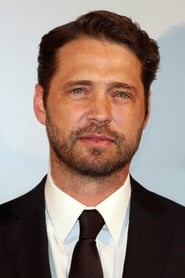
In the episode "Public Disturbance" from season 2 of "Call Me Fitz," there is indeed a post-credit scene. This brief moment features Fitz, played by Jason Priestley, in a humorous and revealing situation that encapsulates the show's irreverent tone.
In the scene, Fitz is seen in a somewhat compromising position, reflecting his ongoing struggles with his chaotic lifestyle and the consequences of his actions. The scene serves as a comedic capstone to the episode, highlighting Fitz's inability to escape the messes he creates, both personally and professionally. It leaves viewers with a sense of Fitz's perpetual entanglement in absurdity, reinforcing the show's themes of self-sabotage and the often ridiculous nature of his life.
This post-credit moment is a clever way to remind the audience of Fitz's character flaws while also providing a light-hearted conclusion to the episode's events.
What incident leads to Fitz being involved in a public disturbance?
In this episode, Fitz finds himself embroiled in a public disturbance when he inadvertently becomes the center of attention during a chaotic event at the bar. His reckless behavior and inability to control the situation escalate tensions, drawing the ire of the authorities.
How does the character of Larry react to Fitz's actions during the public disturbance?
Larry, who often serves as Fitz's moral compass, is visibly frustrated and concerned about the repercussions of Fitz's actions. He tries to reason with Fitz, emphasizing the need for responsibility, but ultimately feels helpless as Fitz continues to spiral out of control.
What role does the character of Jodie play in the public disturbance incident?
Jodie, Fitz's love interest, becomes increasingly exasperated with Fitz's antics during the public disturbance. She attempts to intervene and calm the situation, showcasing her frustration with Fitz's lack of maturity and his tendency to prioritize his own desires over the well-being of those around him.
How does Fitz's relationship with his father influence his behavior during the episode?
Fitz's strained relationship with his father is a significant factor in his reckless behavior during the public disturbance. He grapples with feelings of inadequacy and seeks validation through attention-seeking actions, which ultimately leads to the chaotic events of the episode.
What consequences does Fitz face as a result of the public disturbance?
As a result of the public disturbance, Fitz faces potential legal repercussions and damage to his reputation. The fallout from the incident forces him to confront the reality of his actions and the impact they have on his relationships and business.
Is this family friendly?
"Call Me Fitz" is a dark comedy that often explores adult themes and contains mature content. In Season 2, Episode 5 titled "Public Disturbance," there are several aspects that may be objectionable or upsetting for children or sensitive viewers:
-
Strong Language: The episode features frequent use of profanity, which may not be suitable for younger audiences.
-
Adult Situations: There are references to sexual themes and innuendos that are prevalent throughout the series, which may be inappropriate for children.
-
Substance Use: Characters engage in drinking and drug use, which could be concerning for younger viewers or those sensitive to such topics.
-
Dark Humor: The show employs a style of humor that often touches on uncomfortable or taboo subjects, which may not resonate well with all audiences.
-
Conflict and Aggression: There are scenes that depict interpersonal conflict and aggressive behavior, which could be distressing for some viewers.
Overall, the episode contains elements that are more suited for an adult audience, and parental discretion is advised.