













Popular
What motivates the character of Ignacio Allende throughout the series?
How does the relationship between Allende and José María Morelos evolve in the series?
What role does the character of Doña Josefa play in the narrative?
How does the series portray the impact of the Spanish colonial rule on the characters?
What are the key turning points in the character arc of Miguel Hidalgo?
Should I watch it?
Ask Your Own Question

What is the plot?
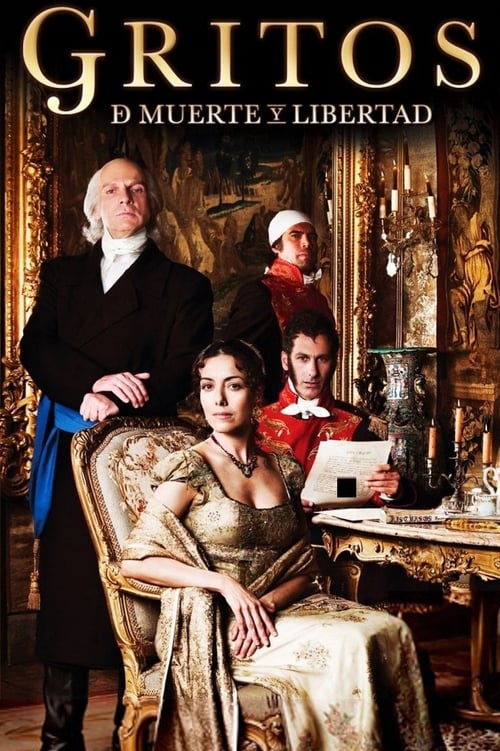
The story begins in the early 19th century, during the tumultuous period of the Mexican War of Independence. The protagonist, José María Morelos, is introduced as a passionate and determined leader fighting for Mexico's freedom from Spanish rule. He rallies a group of insurgents, emphasizing the need for unity and sacrifice in their quest for independence. The opening scenes depict the harsh realities of war, with vivid imagery of battles, the suffering of civilians, and the fervent cries for liberty.
As the narrative unfolds, Morelos faces internal conflicts within his ranks. Some of his followers are motivated by personal gain rather than the cause, leading to tensions and distrust. A pivotal moment occurs when Morelos learns of a betrayal from within his circle, which forces him to confront the disloyalty head-on. He organizes a meeting with his commanders, where he passionately argues for the importance of loyalty and commitment to their shared goal. This scene highlights Morelos's leadership qualities and his emotional investment in the fight for freedom.
The plot thickens as Morelos's forces engage in a series of skirmishes with Spanish troops. One significant battle takes place in a small village, where Morelos's strategy is put to the test. He devises a plan to ambush the Spanish soldiers, utilizing the terrain to their advantage. The scene is filled with tension as the insurgents prepare for the confrontation. The battle is chaotic, with gunfire, shouts, and the clash of swords. Morelos fights valiantly, showcasing his bravery and tactical skills, ultimately leading to a hard-fought victory.
Following the battle, Morelos and his men celebrate their success, but the victory is bittersweet. They mourn the loss of comrades and reflect on the sacrifices made. Morelos delivers a heartfelt speech, reinforcing their commitment to the cause and the need to continue fighting despite the hardships. This moment deepens the emotional connection between Morelos and his followers, solidifying their resolve.
As the war progresses, Morelos faces increasing pressure from both the Spanish forces and rival factions within the independence movement. A critical turning point occurs when he is captured during a reconnaissance mission. The scene is tense, with Morelos attempting to escape but ultimately being overpowered by Spanish soldiers. His capture leads to a series of interrogations, where he is tortured for information about his plans and the location of his troops. Despite the pain, Morelos remains steadfast, refusing to betray his comrades.
In a dramatic twist, Morelos's followers launch a daring rescue operation. They infiltrate the Spanish stronghold where he is being held, showcasing their loyalty and bravery. The rescue is fraught with danger, as they must navigate through guards and obstacles. The scene is action-packed, with close calls and intense confrontations. Ultimately, they succeed in freeing Morelos, who is deeply moved by their loyalty and sacrifice.
After his rescue, Morelos regains his strength and continues to lead the fight for independence. However, the internal divisions within the movement become more pronounced. A rival leader emerges, challenging Morelos's authority and vision for the future of Mexico. This rivalry culminates in a heated confrontation, where both leaders present their ideologies and visions for the country. The emotional stakes are high, as Morelos grapples with feelings of betrayal and the weight of leadership.
As the war reaches its climax, Morelos and his forces prepare for a final confrontation with the Spanish army. The tension is palpable as they gather for what could be their last stand. Morelos delivers a rousing speech, invoking the spirit of freedom and the sacrifices made by their fallen comrades. The battle that ensues is fierce and brutal, with both sides suffering heavy losses. Morelos fights valiantly, but the overwhelming might of the Spanish forces begins to take its toll.
In the aftermath of the battle, Morelos is ultimately captured once again. This time, he faces a grim fate as he is put on trial for treason. The courtroom scenes are charged with emotion, as Morelos defends his actions and the righteousness of their cause. Despite his impassioned pleas, he is sentenced to death. The final moments of the series depict Morelos's execution, where he faces his fate with dignity and resolve, embodying the spirit of the struggle for independence.
The series concludes with a poignant reflection on Morelos's legacy. His sacrifice inspires future generations to continue the fight for freedom, leaving a lasting impact on the course of Mexican history. The final scenes evoke a sense of hope and determination, as the cries for liberty echo through the ages.







What is the ending?
In the ending of "Gritos de Muerte y Libertad," the story culminates in a dramatic confrontation between the revolutionary forces and the oppressive regime. Key characters face their fates as the struggle for freedom reaches its peak, leading to sacrifices and a bittersweet resolution.
As the final episodes unfold, the tension escalates. The revolutionary leader, Vicente, rallies his comrades for a last stand against the government forces. The emotional weight of their fight for liberty is palpable, as each character reflects on their motivations and the cost of their struggle. Vicente's determination is fueled by the memories of those who have fallen, including his close friend, who died fighting for their cause.
In a climactic battle, the revolutionaries engage in fierce combat with the military. The scene is chaotic, filled with gunfire and explosions, as both sides suffer heavy losses. Vicente, embodying the spirit of resistance, fights valiantly but is ultimately wounded. His comrades, witnessing his sacrifice, are inspired to continue the fight, even as they mourn the loss of their leader.
Meanwhile, the character of Elena, who has been a steadfast supporter of the revolution, faces her own trials. She finds herself in a position to save a group of captured rebels, risking her life to ensure their escape. In a heart-wrenching moment, she must choose between her safety and the lives of her friends. Her decision to act heroically solidifies her role as a symbol of hope and resilience.
As the dust settles from the battle, the remaining revolutionaries regroup. They are battered and bruised, but their spirits are unbroken. The series concludes with a poignant scene of the survivors standing together, united in their cause. They vow to continue the fight for freedom, honoring the memories of those who have sacrificed everything.
The fate of each main character is sealed in this final act. Vicente, though gravely injured, becomes a martyr for the revolution, his legacy inspiring future generations. Elena, having survived, takes on a leadership role, determined to carry on the struggle. Other characters, some lost in battle and others who escape, reflect the harsh realities of war and the enduring spirit of resistance.
In the end, "Gritos de Muerte y Libertad" leaves viewers with a powerful message about the cost of freedom and the unyielding human spirit in the face of oppression. The characters' journeys culminate in a bittersweet victory, emphasizing that while the fight for liberty is fraught with pain and sacrifice, it is also a testament to hope and resilience.
Is there a post-credit scene?
"Gritos de Muerte y Libertad," the 2010 television series, does not feature a post-credit scene. The series concludes its episodes without additional content after the credits, focusing instead on the intense narrative and character arcs throughout the main episodes. The show is centered around the historical events of the Mexican War of Independence, highlighting the struggles, sacrifices, and motivations of key figures involved in the fight for freedom. Each episode wraps up with a strong emotional impact, leaving viewers to reflect on the characters' journeys and the historical context without the addition of post-credit material.
What motivates the character of Ignacio Allende throughout the series?
Ignacio Allende is driven by a deep sense of justice and a desire for freedom for his country. His internal conflict is palpable as he grapples with the consequences of his revolutionary actions, torn between his love for his homeland and the personal sacrifices he must make. His passion ignites during key scenes where he rallies his fellow revolutionaries, showcasing his charisma and leadership.
How does the relationship between Allende and José María Morelos evolve in the series?
The relationship between Allende and Morelos is complex, marked by mutual respect and ideological differences. Initially, they share a common goal of independence, but as the series progresses, their differing strategies and visions for the revolution create tension. Emotional scenes depict their debates, highlighting their camaraderie and the weight of their responsibilities, ultimately leading to a poignant moment of reconciliation.
What role does the character of Doña Josefa play in the narrative?
Doña Josefa serves as a maternal figure and a source of wisdom in the tumultuous world of the revolution. Her character embodies resilience and sacrifice, often providing emotional support to the male protagonists. Key scenes reveal her struggles as she navigates the dangers of war while trying to protect her family, showcasing her strength and the emotional toll of the conflict.
How does the series portray the impact of the Spanish colonial rule on the characters?
The series vividly illustrates the harsh realities of Spanish colonial rule through the experiences of its characters. Scenes depicting oppression, poverty, and injustice evoke a strong emotional response, driving characters like Allende and Morelos to take action. The characters' motivations are deeply rooted in their personal experiences with colonial brutality, which fuels their desire for liberation.
What are the key turning points in the character arc of Miguel Hidalgo?
Miguel Hidalgo's character arc is marked by significant turning points that reflect his transformation from a priest to a revolutionary leader. Early in the series, he is portrayed as a reluctant figure, hesitant to embrace the call for rebellion. However, pivotal moments, such as witnessing the suffering of his parishioners and the brutalities of the Spanish forces, ignite his passion for justice, culminating in his iconic 'Grito de Dolores' speech that rallies the masses.
Is this family friendly?
"Gritos de Muerte y Libertad," produced in 2010, is a historical drama that delves into the tumultuous period of the Mexican War of Independence. While it offers a rich narrative and explores themes of freedom and sacrifice, it contains several elements that may not be suitable for children or sensitive viewers.
-
Violence and Warfare: The series depicts numerous battle scenes, showcasing the brutality of war. There are graphic representations of injuries, bloodshed, and the harsh realities of conflict.
-
Death and Loss: Characters experience significant loss, including the deaths of loved ones. These moments are portrayed with emotional weight, which may be distressing for younger audiences.
-
Torture and Suffering: Some scenes involve torture or the suffering of characters, reflecting the harsh conditions of the time. This can be particularly upsetting for sensitive viewers.
-
Political Intrigue and Betrayal: The narrative includes themes of betrayal and political manipulation, which may be complex and unsettling for younger viewers to understand.
-
Emotional Turmoil: Characters often grapple with intense emotions such as grief, anger, and despair, which are depicted in a raw and realistic manner.
Overall, while "Gritos de Muerte y Libertad" is a compelling exploration of historical events, its mature themes and graphic content may not be appropriate for all audiences, particularly children.