













Popular
What are the main conflicts faced by the Turbin family during the Ukrainian Civil War?
How does the character of Alexei Turbin evolve throughout the series?
What role does Masha Turbin play in the dynamics of the Turbin family?
How does the series depict the relationship between the White Army and the Red Army?
What is the significance of the setting in Kiev during the Civil War?
Should I watch it?
Ask Your Own Question

What is the plot?
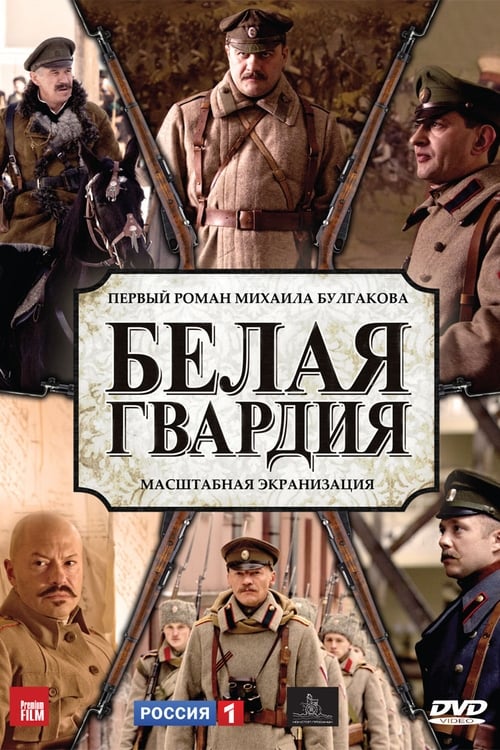
The story begins in the city of Kyiv during the tumultuous period of the Russian Civil War in 1918. The narrative centers around the Turbin family, particularly the three siblings: Alexei, Nikolai, and their sister, Liza. The family is caught in the chaos of the war, with their lives disrupted by the shifting political landscape. The opening scenes depict the siblings in their home, where they discuss the ongoing conflict and their hopes for the future, revealing their differing perspectives on the war.
As the situation in Kyiv deteriorates, the Turbins are forced to confront the reality of their circumstances. Alexei, the eldest brother, is determined to defend their home and uphold their family's honor. He is portrayed as a strong-willed and principled man, deeply affected by the war's impact on his loved ones. Meanwhile, Nikolai, the younger brother, is more idealistic and romanticizes the notion of fighting for a cause, despite his naivety about the war's brutal realities.
The tension escalates when the White Army, a faction opposing the Bolsheviks, begins to take control of the city. The Turbins find themselves in a precarious position as they navigate their loyalties and the dangers surrounding them. They receive visits from various characters, including their friend, the officer Mikhail, who represents the White Army's interests. Mikhail's presence adds complexity to the siblings' dynamics, as he harbors feelings for Liza, creating a love triangle that complicates their relationships.
As the conflict intensifies, the Turbins' home becomes a refuge for their friends and allies, including the wounded soldiers from the White Army. The family struggles to maintain a sense of normalcy amidst the chaos, hosting gatherings and trying to support their comrades. However, the reality of war intrudes as they witness the suffering and loss around them. The emotional toll begins to weigh heavily on each sibling, particularly Liza, who grapples with her feelings for Mikhail and her desire for a peaceful life.
The situation takes a darker turn when the Bolsheviks launch an offensive against the White Army. The Turbins are forced to make difficult decisions about their safety and loyalty. Alexei becomes increasingly involved in the fighting, driven by a sense of duty to protect his family and their home. He faces moral dilemmas as he witnesses the brutality of war, leading to moments of doubt about the righteousness of their cause.
In a pivotal scene, the Turbins are confronted by Bolshevik soldiers who invade their home. A tense standoff ensues, with Alexei and Nikolai attempting to defend their family. The confrontation escalates into violence, resulting in casualties on both sides. The emotional weight of the encounter leaves the siblings shaken, forcing them to confront the harsh realities of their situation.
As the war rages on, the Turbins experience personal losses that deepen their despair. They receive news of friends and allies who have been killed or captured, further isolating them in their struggle. Liza's emotional state deteriorates as she grapples with the loss of innocence and the impact of war on her dreams of love and happiness. Her relationship with Mikhail becomes strained as they face the harsh truths of their circumstances.
In a moment of desperation, the Turbins decide to flee Kyiv in search of safety. They embark on a perilous journey, navigating through war-torn landscapes and encountering various factions along the way. The siblings' bond is tested as they face external threats and internal conflicts, revealing their differing coping mechanisms and emotional responses to the chaos around them.
During their escape, they encounter a group of partisans who offer assistance but also pose a risk. The Turbins must weigh their options carefully, as trusting the wrong people could lead to dire consequences. Tensions rise as they debate whether to accept help or continue on their own, highlighting their struggle for survival amidst the uncertainty of war.
As they move further from Kyiv, the Turbins face a series of harrowing challenges, including ambushes and betrayals. Each sibling's character is further developed through their reactions to these events. Alexei remains steadfast in his resolve to protect his family, while Nikolai's idealism is tested as he confronts the brutal realities of their situation. Liza's emotional turmoil reaches a peak as she grapples with her feelings for both her brothers and Mikhail.
The climax of the story occurs when the Turbins find themselves cornered by Bolshevik forces. In a desperate bid for survival, they make a final stand, showcasing their courage and determination. The scene is filled with tension as they fight to protect one another, culminating in a heartbreaking moment of sacrifice that alters the course of their lives forever.
In the aftermath of the confrontation, the surviving siblings are left to grapple with their losses and the impact of their choices. The emotional weight of their experiences hangs heavily over them as they reflect on the cost of war and the bonds that have been tested. The series concludes with a sense of ambiguity, leaving the characters' futures uncertain as they navigate the aftermath of their harrowing journey.









What is the ending?
In the ending of "The White Guard," the tumultuous events of the Russian Civil War culminate in a tragic and poignant conclusion for the main characters. The family home of the Turbins is left in ruins, and the characters face the harsh realities of their choices and the shifting political landscape. The story concludes with a sense of loss and uncertainty, as the characters grapple with their fates amidst the chaos of war.
As the final episodes unfold, the narrative begins with the Turbin family grappling with the aftermath of the civil war. The once vibrant household is now a shadow of its former self, filled with remnants of the past and the weight of despair. The brothers, Alexei and Nikolai, are deeply affected by the loss of their comrades and the disintegration of their ideals. Their internal struggles are palpable, as they confront the futility of their efforts to protect their home and their way of life.
In a pivotal scene, Alexei, burdened by the weight of his responsibilities, stands in the ruins of their family estate. The camera captures his somber expression, reflecting the loss of hope and the realization that the world he once knew is irrevocably changed. He is haunted by memories of happier times, and the emotional turmoil is evident as he grapples with feelings of helplessness and despair.
Nikolai, on the other hand, is portrayed as increasingly disillusioned. He engages in heated discussions with fellow soldiers, expressing his frustration with the direction of the war and the betrayal of their ideals. His internal conflict is highlighted as he struggles to reconcile his loyalty to his comrades with the harsh realities of their situation. The tension builds as he faces the consequences of his choices, leading to a moment of reckoning that will define his fate.
As the war intensifies, the characters are forced to confront the brutal realities of their situation. The once-familiar streets of Kyiv are now filled with violence and uncertainty. The Turbins find themselves caught in the crossfire, and their home becomes a symbol of the larger conflict engulfing the nation. The emotional stakes rise as they witness the suffering of those around them, deepening their sense of loss and isolation.
In a climactic moment, the brothers make a desperate decision to protect their family and their ideals. They rally their remaining allies, determined to stand against the encroaching forces that threaten to destroy everything they hold dear. The tension is palpable as they prepare for a final confrontation, each character grappling with their motivations and fears.
As the battle unfolds, the chaos of war is depicted with visceral intensity. The camera captures the sounds of gunfire and the cries of the wounded, immersing the audience in the harrowing reality of the conflict. The characters fight valiantly, but the overwhelming odds weigh heavily on them. In a heartbreaking turn of events, the brothers are separated during the chaos, each facing their own fate.
In the aftermath of the battle, the surviving characters are left to confront the consequences of their actions. Alexei, wounded and weary, reflects on the futility of their struggle. He stands amidst the ruins of their home, a poignant symbol of the dreams that have been shattered. The emotional weight of his journey is evident as he grapples with the loss of his brother and the disintegration of their family.
Nikolai's fate is equally tragic. In a moment of sacrifice, he makes a choice that ultimately leads to his demise. His internal conflict reaches a climax as he realizes the cost of loyalty and the price of their ideals. The scene captures his final moments with a sense of poignancy, as he reflects on the bonds of brotherhood and the sacrifices made in the name of honor.
The series concludes with a haunting sense of ambiguity. The surviving characters are left to navigate a world forever changed by war, their futures uncertain. The final shot lingers on the remnants of the Turbin home, a powerful visual metaphor for the loss of innocence and the enduring impact of conflict. The emotional resonance of the ending leaves the audience with a profound sense of the characters' struggles and the harsh realities of their choices in a world torn apart by war.
Is there a post-credit scene?
The 2012 adaptation of "The White Guard" does not feature a post-credit scene. The series concludes its narrative without any additional scenes after the credits roll. The focus remains on the story's resolution and the fates of the main characters, encapsulating the emotional and historical weight of the events depicted throughout the series. The ending leaves viewers with a sense of closure regarding the tumultuous experiences of the Turbin family and their struggles during the Russian Civil War.
What are the main conflicts faced by the Turbin family during the Ukrainian Civil War?
The Turbin family faces multiple conflicts throughout the series, primarily revolving around their loyalty to the White Army and the chaos of the Ukrainian Civil War. The brothers, Alexei and Nikolai, struggle with their differing views on the war and their responsibilities to their family and country. Their sister, Masha, grapples with her desire for love and normalcy amidst the turmoil, while their mother, Maria, embodies the emotional anchor of the family, torn between her children's choices and the harsh realities of war.
How does the character of Alexei Turbin evolve throughout the series?
Alexei Turbin begins as a passionate and idealistic young man, deeply committed to the White cause. As the series progresses, he becomes increasingly disillusioned by the brutality of war and the moral ambiguities it presents. His internal conflict is palpable as he witnesses the suffering around him, leading to moments of despair and questioning his beliefs. This evolution is marked by his relationships with other characters, particularly his brother Nikolai, whose contrasting views challenge Alexei's convictions.
What role does Masha Turbin play in the dynamics of the Turbin family?
Masha Turbin serves as a pivotal character who embodies the emotional struggles of the family. Her desire for love and stability contrasts sharply with the chaos of the war. Masha's relationships, particularly with the men around her, reflect her longing for connection and her attempts to maintain a semblance of normalcy. Her character often acts as a catalyst for the brothers' actions, highlighting the personal stakes of the war and the impact of their choices on family bonds.
How does the series depict the relationship between the White Army and the Red Army?
The series portrays the relationship between the White Army and the Red Army as one of intense rivalry and ideological conflict. The White Army, represented by characters like the Turbin brothers, is shown as struggling to maintain order and uphold their beliefs in the face of the Red Army's revolutionary fervor. The clashes between the two factions are depicted not only through battles but also through personal encounters, illustrating the broader societal divisions and the personal stakes involved in the conflict.
What is the significance of the setting in Kiev during the Civil War?
The setting of Kiev during the Civil War is significant as it serves as a backdrop for the personal and political turmoil experienced by the characters. The city, with its rich history and cultural heritage, becomes a character in itself, reflecting the chaos and destruction of war. The streets, once vibrant, are now filled with soldiers and refugees, symbolizing the loss of innocence and the impact of conflict on everyday life. This setting amplifies the emotional stakes for the Turbin family as they navigate their loyalties and relationships amidst the backdrop of a city in turmoil.
Is this family friendly?
"The White Guard," produced in 2012, is a historical drama set during the tumultuous period of the Russian Civil War. While it is a compelling narrative, it does contain several elements that may not be suitable for children or sensitive viewers.
-
Violence and Warfare: The series depicts the harsh realities of war, including battles, gunfire, and the aftermath of violence. Scenes of conflict can be intense and graphic, showcasing the brutality of the civil war.
-
Death and Loss: Characters experience significant loss, including the deaths of loved ones. The emotional weight of these moments can be heavy and may be distressing for younger viewers.
-
Political Tension: The show explores complex political themes and ideologies, which may be difficult for children to understand. The portrayal of betrayal and shifting loyalties can create a tense atmosphere.
-
Emotional Turmoil: Characters grapple with deep emotional struggles, including fear, despair, and moral dilemmas. These themes may resonate strongly and could be upsetting for sensitive viewers.
-
Mature Themes: The narrative includes elements of sacrifice, loyalty, and the impact of war on family dynamics, which may be more appropriate for older audiences who can grasp the nuances of these themes.
Overall, while "The White Guard" offers a rich historical context and character development, its mature themes and depictions of violence may not be suitable for a family-friendly viewing experience.