



Popular
What are the key stages of planet formation discussed in the series?
How does the show illustrate the role of water in the development of a planet?
What specific examples of celestial bodies are used to illustrate the planet-building process?
What emotional journey do the scientists undergo while studying planet formation?
How does the show explain the concept of 'Goldilocks Zone' and its significance?
Should I watch it?
Ask Your Own Question

What is the plot?
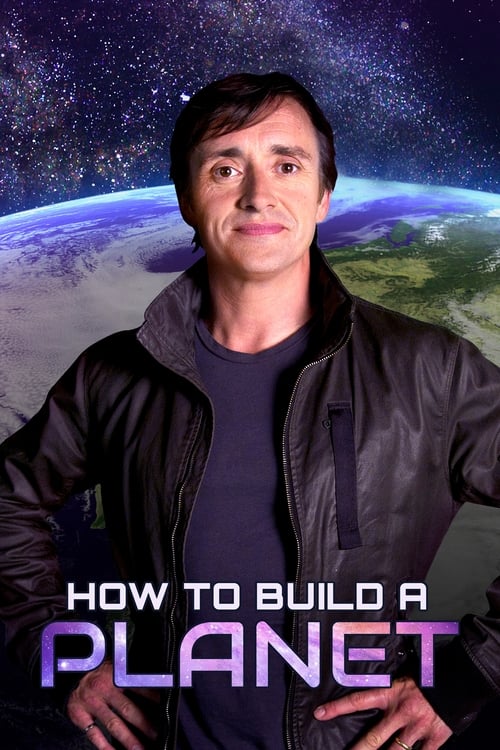
"How to Build a Planet" is a documentary series that explores the processes involved in the formation of planets, rather than a narrative-driven show with characters and plot points. The first episode of Season 1 focuses on the formation of Earth, detailing the various stages and events that led to its development.
The episode begins with a visual representation of the early solar system, showcasing a chaotic environment filled with dust and gas. The narrator explains how the solar nebula collapses under its own gravity, leading to the formation of the Sun at the center. As the Sun ignites, the surrounding material begins to coalesce into planetesimals, small building blocks of planets.
Next, the narrative shifts to the process of accretion, where these planetesimals collide and merge over millions of years. The visuals depict these violent impacts, illustrating how energy from these collisions contributes to the heating of the forming planet. The narrator describes the significance of these events in creating a molten surface, which is crucial for the later development of a stable crust.
As the episode progresses, it highlights the role of gravity in shaping the early Earth. The narrator explains how the gravitational pull of the growing planet attracts more material, leading to further growth. The visuals show the planet gradually taking shape, with a focus on the increasing size and mass of Earth.
The episode then delves into the formation of the Moon, detailing a significant impact event where a Mars-sized body collides with the young Earth. This cataclysmic event is illustrated with dramatic animations, showing the debris that is ejected into orbit around Earth. The narrator explains how this debris eventually coalesces to form the Moon, which plays a crucial role in stabilizing Earth's axial tilt and influencing its climate.
Following the Moon's formation, the episode explores the cooling of the Earth's surface. The visuals depict volcanic activity and the release of gases, which contribute to the formation of the early atmosphere. The narrator discusses the importance of water vapor in this process, leading to the eventual formation of oceans as the planet cools further.
The episode concludes with a discussion of the conditions necessary for life to emerge. The narrator emphasizes the significance of Earth's position in the habitable zone, where temperatures allow for liquid water to exist. The visuals show the vibrant blue of the oceans and the gradual development of landmasses, setting the stage for the future emergence of life.
Throughout the episode, the focus remains on the scientific processes and events that shaped the Earth, providing a detailed account of the planet's formation without a traditional narrative structure or character-driven plot.









What is the ending?
In the ending of "How to Build a Planet," the series culminates in a detailed exploration of the processes that shape a planet, focusing on the intricate balance of forces that create a habitable environment. The final scenes emphasize the interconnectedness of geological, atmospheric, and biological systems, showcasing how they work in harmony to sustain life. The series concludes with a sense of wonder about the universe and the potential for life beyond Earth.
As the episode progresses, the narrative unfolds with a series of visually stunning sequences that illustrate the formation of a planet. The camera pans over vast landscapes, capturing the tumultuous birth of a planet through volcanic eruptions and the gradual cooling of its surface. The narrator's voice guides the audience through the stages of planetary development, emphasizing the importance of water and the atmosphere in creating conditions suitable for life.
In the final scenes, the focus shifts to the delicate balance of ecosystems. The camera zooms in on lush forests, vibrant oceans, and diverse wildlife, highlighting the intricate relationships between species and their environments. The emotional weight of these scenes is palpable, as the audience is reminded of the fragility of life and the importance of preserving our planet.
The episode concludes with a powerful message about the responsibility of humanity to protect the Earth and its ecosystems. The final shot lingers on a breathtaking view of the planet from space, evoking a sense of awe and urging viewers to reflect on their role in the stewardship of the planet.
Throughout the ending, the characters--represented by the scientists and narrators--exhibit a deep sense of curiosity and reverence for the natural world. Their motivations are rooted in a desire to understand the processes that govern life and to inspire future generations to appreciate and protect the planet. The series leaves viewers with a sense of hope and a call to action, emphasizing the importance of scientific exploration and environmental conservation.
Is there a post-credit scene?
In "How to Build a Planet," season 1, there are no post-credit scenes. The series focuses on the intricate processes involved in planet formation, exploring various celestial phenomena and the conditions necessary for creating a habitable world. Each episode concludes with a summary of the scientific concepts discussed, but there are no additional scenes or content after the credits. The show maintains a straightforward educational format, emphasizing the awe-inspiring nature of planetary science without the inclusion of post-credit sequences.
What are the key stages of planet formation discussed in the series?
The series delves into the intricate stages of planet formation, beginning with the accumulation of dust and gas in a protoplanetary disk. It explores how these particles collide and stick together, forming larger bodies called planetesimals. The narrative then transitions to the process of these planetesimals merging to create protoplanets, highlighting the chaotic environment of early solar systems. The series emphasizes the role of gravity in pulling these bodies together, leading to the eventual formation of a fully-fledged planet.
How does the show illustrate the role of water in the development of a planet?
In the series, water is portrayed as a crucial element for the development of a habitable planet. It discusses the various ways water can be delivered to a planet, such as through icy comets or asteroids colliding with the surface. The emotional weight of this element is underscored by visuals of early Earth, where water bodies begin to form, creating an environment conducive to life. The narrative conveys a sense of wonder and urgency, emphasizing that the presence of water is a key factor in determining a planet's potential for supporting life.
What specific examples of celestial bodies are used to illustrate the planet-building process?
The series uses specific celestial bodies such as the gas giant Jupiter and the rocky planet Mars to illustrate different aspects of the planet-building process. Jupiter is highlighted for its massive size and the way it influences the orbits of other bodies in the solar system, while Mars serves as a case study for understanding the conditions that can lead to a planet's potential for habitability. The visuals of these planets, along with detailed explanations of their formation and characteristics, provide a rich context for the audience.
What emotional journey do the scientists undergo while studying planet formation?
Throughout the series, the scientists are depicted as passionate and driven individuals, deeply invested in understanding the mysteries of planet formation. Their emotional journey is marked by moments of excitement when new discoveries are made, contrasted with frustration during setbacks or when faced with the vastness of unknowns in the universe. The narrative captures their awe and wonder as they connect the dots between cosmic events and the formation of planets, revealing their personal motivations to uncover the secrets of the universe.
How does the show explain the concept of 'Goldilocks Zone' and its significance?
The series explains the 'Goldilocks Zone' as the region around a star where conditions are just right for liquid water to exist on a planet's surface. This concept is illustrated through stunning visuals of various star systems, showing the distance of planets from their stars. The emotional significance of this zone is highlighted by the hope it represents for the possibility of life. The narrative conveys a sense of urgency and importance, as scientists discuss the delicate balance required for a planet to be in this zone, making it a focal point in the search for extraterrestrial life.
Is this family friendly?
"How to Build a Planet" is a documentary series that explores the processes involved in the formation of planets, including Earth. The show is generally family-friendly, focusing on scientific concepts and visual representations of planetary formation. However, there are a few aspects that might be considered potentially objectionable or upsetting for children or sensitive viewers:
-
Visualizations of Cosmic Events: The series includes dramatic visualizations of cosmic events such as asteroid impacts and volcanic eruptions, which may be intense or frightening for younger viewers.
-
Destruction of Planets: The show discusses the violent processes that can lead to the destruction of celestial bodies, which might be unsettling for some.
-
Concepts of Extinction: There are discussions about mass extinctions and the harsh realities of survival in the universe, which could be emotionally challenging for sensitive viewers.
-
Scale of Time and Space: The vastness of time and space, along with the idea of the universe's indifference to life, might provoke existential thoughts in some viewers.
Overall, while the series is educational and visually stunning, parents may want to preview episodes to gauge their suitability for younger audiences.