
















Popular
What motivates the main character, Bruno, to become involved in solving the murder cases?
How does Bruno's relationship with his daughter evolve throughout the series?
What role does the character of the police officer, Angela, play in the investigation?
What are the key challenges Bruno faces while investigating the murders?
How does the theme of redemption manifest in Bruno's character arc?
Should I watch it?
Ask Your Own Question

What is the plot?
The story begins with the protagonist, a former journalist named Bruno Palmieri, who is now a private investigator. He is struggling with the aftermath of a traumatic event that has left him emotionally scarred. Bruno is approached by a woman named Valeria, who seeks his help in finding her missing husband. She is desperate and anxious, and her emotional state is palpable as she explains the situation to Bruno. He reluctantly agrees to take on the case, motivated by a mix of curiosity and a desire to help.
As Bruno delves into the investigation, he discovers that Valeria's husband was involved in some shady dealings. He visits various locations, including bars and nightclubs, where he interviews people who might have seen the husband. During these interactions, Bruno's investigative skills shine, but he also faces hostility from some individuals who are connected to the criminal underworld. Tension builds as Bruno realizes that he is getting closer to uncovering dangerous secrets.
Bruno's investigation leads him to a confrontation with a local mobster, who warns him to back off. This encounter is intense, filled with threats and a palpable sense of danger. Bruno's determination to uncover the truth only intensifies, despite the risks involved. He feels a mix of fear and adrenaline, pushing him to continue his pursuit of the missing man.
As Bruno digs deeper, he uncovers a web of corruption that involves not only the mob but also local law enforcement. He learns that Valeria's husband was involved in a scheme that could implicate several powerful figures. This revelation heightens the stakes, and Bruno realizes that he must tread carefully. He begins to feel the weight of the danger surrounding him, and his internal conflict grows as he grapples with the moral implications of his findings.
In a pivotal moment, Bruno confronts Valeria with the information he has gathered. She is initially shocked and devastated by the truth about her husband's activities. The emotional turmoil is evident as she struggles to reconcile her love for him with the reality of his actions. Bruno, feeling a connection to her pain, offers support, and their relationship begins to deepen, adding complexity to the narrative.
As the investigation progresses, Bruno receives threats aimed at deterring him from continuing. He finds his home ransacked, and he narrowly escapes an attempt on his life. The tension escalates, and Bruno realizes that he is in over his head. He must decide whether to continue pursuing the case or to walk away for his own safety. Ultimately, his sense of justice prevails, and he chooses to press on, driven by a need to uncover the truth.
Bruno's journey leads him to a climactic showdown with the mobsters involved in the case. He gathers evidence and allies, preparing for a confrontation that could change everything. The scene is charged with suspense as Bruno and his allies confront the criminals in a tense standoff. The fight is brutal, with punches thrown and chaos erupting as both sides clash. Bruno's determination shines through as he fights not just for himself but for Valeria and the truth.
In the aftermath of the confrontation, the fallout is significant. Bruno manages to expose the corruption and bring some of the criminals to justice, but not without personal cost. He faces repercussions for his actions, and the emotional toll of the investigation weighs heavily on him. Valeria, now aware of the full extent of her husband's actions, must come to terms with her loss and the impact it has had on her life.
The series concludes with Bruno reflecting on the journey he has taken. He has faced danger, uncovered deep-seated corruption, and formed meaningful connections along the way. However, the scars of his experiences remain, and he is left to ponder the complexities of truth, justice, and personal sacrifice. The emotional weight of the story lingers as Bruno contemplates his next steps, leaving viewers with a sense of unresolved tension and the understanding that the fight for justice is ongoing.


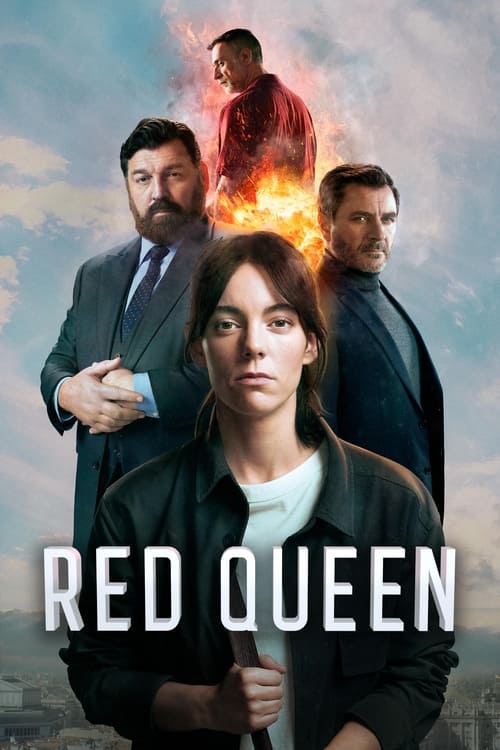






What is the ending?
In the ending of "Una pallottola nel cuore," the main character, the journalist Bruno Palmieri, confronts the consequences of his investigations into the criminal underworld. The story culminates in a tense showdown that leads to significant personal losses and revelations about loyalty, love, and the cost of truth.
As the narrative unfolds, Bruno finds himself entangled in a web of betrayal and danger. He faces off against powerful adversaries, and the stakes are raised when he learns the truth about those closest to him. The emotional weight of his choices becomes evident as he grapples with the impact of his work on his relationships and his own safety.
In the final scenes, Bruno's determination to uncover the truth leads to a tragic confrontation. The series concludes with a sense of unresolved tension, leaving the audience to ponder the fates of the characters and the moral complexities of their actions.
As the final episode begins, we find Bruno Palmieri in a state of turmoil. The weight of his investigations has taken a toll on his personal life, and he is haunted by the choices he has made. The camera captures his furrowed brow and the deep lines of worry etched on his face, reflecting the internal conflict that has been building throughout the series.
Scene 1: Bruno is in his office, surrounded by files and photographs that detail the criminal activities he has been investigating. The room is dimly lit, casting shadows that mirror his troubled thoughts. He receives a phone call that sets the stage for the climax of the story. The voice on the other end is cryptic but urgent, hinting at a meeting that could change everything.
Scene 2: The scene shifts to a dark alley where Bruno meets with a source who has critical information about the criminal organization he has been pursuing. The tension is palpable as they exchange words, the flickering streetlight illuminating their anxious faces. The source reveals a betrayal that shakes Bruno to his core--someone he trusted has been feeding information to the enemy.
Scene 3: As Bruno processes this revelation, the atmosphere thickens with danger. He realizes that he must act quickly to protect himself and those he loves. The urgency in his movements is evident as he rushes to warn his partner, the strong-willed and resourceful journalist, who has been by his side throughout the investigation.
Scene 4: The narrative shifts to Bruno's partner, who is at her apartment, unaware of the impending threat. The camera captures her determination as she prepares for a meeting with a potential informant. Just as she is about to leave, Bruno bursts in, breathless and frantic. He warns her of the danger, and their emotional exchange reveals the depth of their bond. They share a moment of vulnerability, acknowledging the risks they have taken together.
Scene 5: The tension escalates as they decide to confront the criminal organization head-on. They gather evidence and prepare for a showdown, knowing that this could be their last chance to expose the truth. The stakes are high, and the weight of their choices hangs heavily in the air.
Scene 6: The climax unfolds in a dramatic confrontation at a warehouse, where the criminal leaders have gathered. Bruno and his partner arrive, armed with evidence and determination. The atmosphere is charged with anticipation as they face off against the criminals. The dialogue is sharp and confrontational, revealing the moral complexities of their fight for justice.
Scene 7: As the confrontation escalates, violence erupts. The camera captures the chaos--the sound of gunfire, the shouts of anger, and the palpable fear. Bruno's partner is caught in the crossfire, and the moment is heart-wrenching as Bruno watches helplessly. The emotional impact of this loss is profound, and Bruno's face reflects a mixture of horror and despair.
Scene 8: In the aftermath, Bruno is left to grapple with the consequences of their actions. The warehouse is silent, save for the echoes of what has transpired. He kneels beside his partner, tears streaming down his face as he realizes the cost of his pursuit of truth. The camera lingers on this moment, capturing the raw emotion and the weight of grief.
Scene 9: The series concludes with Bruno standing alone in the aftermath, surrounded by the remnants of the confrontation. The city skyline looms in the background, a stark reminder of the world he sought to change. As he walks away, the audience is left with a sense of unresolved tension, pondering the fates of the characters and the moral complexities of their choices.
In the end, Bruno is left to carry the burden of his decisions, forever changed by the events that have unfolded. The fate of the other characters remains uncertain, but the emotional impact of their journey resonates deeply, leaving a lasting impression on the audience.
Is there a post-credit scene?
"Una pallottola nel cuore" does not feature a post-credit scene. The series concludes its narrative within the episodes themselves, wrapping up the storylines without any additional scenes after the credits. The focus remains on the character development and resolution of the plot throughout the episodes, particularly highlighting the emotional journey of the protagonist, the journalist Bruno Palmieri, as he navigates the complexities of crime, personal loss, and redemption in his quest for truth.
What motivates the main character, Bruno, to become involved in solving the murder cases?
Bruno, a once-celebrated journalist, is driven by a deep sense of guilt and responsibility after the murder of his wife, which he feels he could have prevented. His internal struggle is compounded by his desire to redeem himself and find closure, pushing him to delve into the dark underbelly of crime in Turin.
How does Bruno's relationship with his daughter evolve throughout the series?
Initially, Bruno's relationship with his daughter, who is grappling with the loss of her mother, is strained. As the series progresses, they navigate their grief together, leading to moments of vulnerability and connection. Bruno's attempts to protect her while also involving her in his investigations create a complex dynamic filled with both tension and tenderness.
What role does the character of the police officer, Angela, play in the investigation?
Angela serves as both a professional ally and a personal connection for Bruno. Her dedication to justice and her own struggles with the police force's bureaucracy create a partnership that is both supportive and fraught with tension. As they work together, Angela's insights and intuition often help guide Bruno, while her growing feelings for him add emotional complexity to their collaboration.
What are the key challenges Bruno faces while investigating the murders?
Bruno encounters numerous challenges, including threats from organized crime, the skepticism of law enforcement, and his own emotional turmoil. Each case he investigates reveals layers of corruption and betrayal, forcing him to confront not only external dangers but also his own demons, as he grapples with the impact of his past decisions.
How does the theme of redemption manifest in Bruno's character arc?
Bruno's quest for redemption is a driving force in his character arc. He seeks to atone for his perceived failures, particularly regarding his wife's death. This manifests in his relentless pursuit of truth and justice, as he attempts to make sense of his past while striving to protect those he loves, ultimately leading him to confront his own vulnerabilities and the consequences of his actions.
Is this family friendly?
"Una pallottola nel cuore" is a crime drama that contains several elements that may not be suitable for children or sensitive viewers. Here are some potentially objectionable aspects:
-
Violence: The show features scenes of gun violence and crime-related confrontations, which may be intense and graphic.
-
Death and Grief: The narrative revolves around themes of loss, including the impact of murder on families and communities, which can be emotionally heavy.
-
Mature Themes: The series explores complex adult relationships, including infidelity and betrayal, which may not be appropriate for younger audiences.
-
Language: There may be instances of strong language or adult dialogue that could be considered inappropriate for children.
-
Emotional Turmoil: Characters experience significant emotional distress, including depression and anxiety, which could be upsetting for sensitive viewers.
Overall, while the show has engaging storytelling and character development, its mature themes and content may not be suitable for a family-friendly viewing experience.