


























Popular
What motivates Officer Ryan to act the way he does towards the characters he encounters?
How does the relationship between Graham and Ria evolve throughout the film?
What is the significance of the car crash involving the two cars at the beginning of the film?
How does the character of Farhad represent the immigrant experience in America?
What role does the character of Anthony play in the film's exploration of racial identity?
Should I watch it?
Ask Your Own Question

What is the plot?
Sorry, we aren't able to watch and write up a full detailed plot yet. Check back in a few days.





What is the ending?
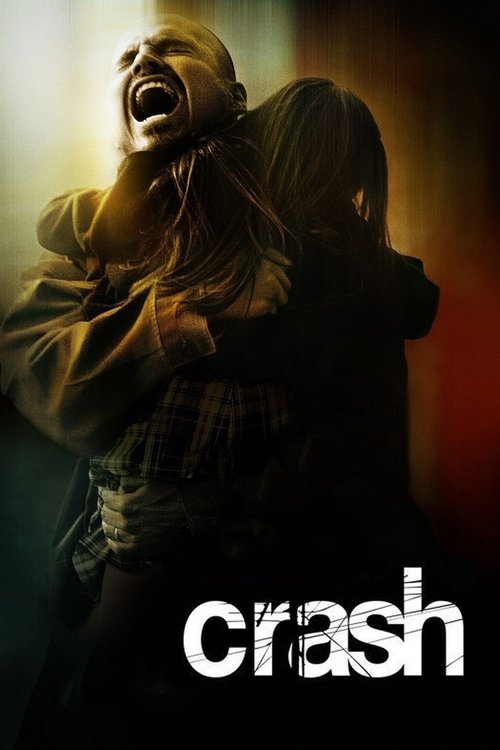
In the ending of the movie "Crash," several characters experience pivotal moments that lead to significant changes in their lives. The film concludes with a series of interconnected events that highlight themes of race, prejudice, and human connection.
Expanded Narrative:
The climax of "Crash" unfolds in a series of tense and emotional scenes that intertwine the fates of the main characters.
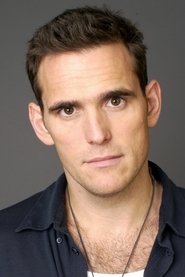
First, we see Officer John Ryan, played by Matt Dillon, who has been grappling with his own prejudices throughout the film. In the final moments, he is called to a scene where a car accident has occurred. The accident involves Christine Thayer, portrayed by Thandie Newton, and her husband, who are both African American. Earlier in the film, Ryan had sexually assaulted Christine during a traffic stop, an act that left her traumatized and filled with anger. Now, as he arrives at the scene, he finds Christine trapped in her vehicle, and her husband, who is visibly distressed.
In a moment of vulnerability, Ryan recognizes the gravity of the situation and the fear in Christine's eyes. He makes a choice to help her, demonstrating a shift in his character. He breaks the window of the car and pulls her out, showing a level of compassion that contrasts sharply with his earlier actions. This moment signifies a potential for redemption and change, as Ryan confronts his own biases and the consequences of his past behavior.
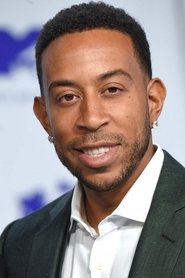
Meanwhile, we shift to the character of Anthony, played by Ludacris, and his partner Peter, portrayed byLarenz Tate. They are involved in a carjacking that leads them to confront the realities of their own lives and the systemic issues surrounding race and crime. As they steal a car, they unknowingly take the vehicle of a wealthy white man, who later confronts them. This encounter escalates into a tense standoff, but ultimately, Anthony chooses to let the man go, realizing that violence and crime will not lead to a better life. This decision reflects a moment of clarity for Anthony, as he begins to understand the impact of his actions on others.
In another part of the city, we see the character of Rick Cabot, played by Brendan Fraser, who is a district attorney. He has been struggling with his own prejudices and the implications of his decisions. In the final scenes, he is confronted by his wife, who is upset about the way they have treated their housekeeper, a Latina woman. This confrontation forces Rick to reevaluate his own biases and the way he interacts with people from different backgrounds.
The film concludes with a powerful montage that brings together the various threads of the story. We see the characters reflecting on their experiences, and the camera captures moments of connection and understanding. The final scene features a poignant moment between two characters, suggesting that despite the deep-seated issues of race and prejudice, there is hope for change and reconciliation.
As the credits roll, the audience is left with a sense of the complexity of human relationships and the possibility of redemption, even in the face of deep-seated biases. Each character's journey culminates in a moment of self-awareness, highlighting the film's exploration of the intricate web of human emotions and societal issues.
Is there a post-credit scene?
The movie "Crash," produced in 2005, does not have a post-credit scene. The film concludes with a powerful and emotional resolution to its interwoven stories, focusing on themes of race, prejudice, and human connection. After the final scene, which leaves viewers reflecting on the characters' experiences and the impact of their actions, the credits roll without any additional scenes or content. The film's ending emphasizes the complexity of human relationships and the potential for change, making a post-credit scene unnecessary for its narrative.
What motivates Officer Ryan to act the way he does towards the characters he encounters?
Officer John Ryan, played by Matt Dillon, is motivated by a complex mix of personal insecurities and societal pressures. His actions towards the African American couple, Christine and Cameron, are driven by his own prejudices and a desire to assert power. His internal conflict is evident when he later shows vulnerability and regret, particularly when he helps Christine after her car accident.
How does the relationship between Graham and Ria evolve throughout the film?
Graham, portrayed by Don Cheadle, and Ria, played by Jennifer Esposito, navigate their relationship amidst the chaos of the events surrounding them. Initially, Ria is frustrated with Graham's inability to confront his own racial biases, especially when he is forced to deal with the fallout from a car crash involving a white woman. Their relationship deepens as they confront their own vulnerabilities and the societal issues that affect them, culminating in a moment of understanding and support.
What is the significance of the car crash involving the two cars at the beginning of the film?
The opening car crash serves as a catalyst for the intertwining stories that follow. It highlights the theme of interconnectedness and the randomness of life. The crash involves a white woman and a black man, setting the stage for the exploration of racial tensions and prejudices that permeate the film. The aftermath of the crash reveals how quickly lives can change and how perceptions can be altered in an instant.
How does the character of Farhad represent the immigrant experience in America?
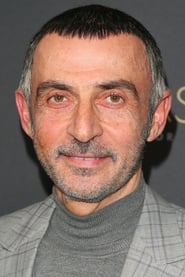
Farhad, played by Shaun Toub, embodies the struggles of an immigrant trying to navigate a new culture while facing discrimination. His frustration over being unable to communicate effectively and his experiences with racism lead him to a desperate act when he attempts to buy a gun to protect his store. His character arc illustrates the challenges of assimilation and the impact of societal prejudice on personal identity.
What role does the character of Anthony play in the film's exploration of racial identity?
Anthony, portrayed by Chris 'Ludacris' Bridges, is a car thief who grapples with his own identity and the stereotypes associated with being a young black man in America. His interactions with other characters, particularly his partner Peter, reveal his internal conflict as he oscillates between embracing and rejecting societal expectations. Anthony's character serves as a critique of the systemic racism that shapes his worldview and actions, ultimately leading to moments of reflection and change.
Is this family friendly?
The movie "Crash" (2005) is not considered family-friendly due to its mature themes and intense subject matter. Here are some potentially objectionable or upsetting aspects that may affect children or sensitive viewers:
-
Racial Tensions: The film explores deep-seated racial prejudices and tensions, which may be uncomfortable for younger audiences.
-
Violence: There are scenes depicting violence, including a carjacking and a shooting, which can be distressing.
-
Strong Language: The dialogue includes frequent use of profanity and racial slurs, which may be inappropriate for children.
-
Sexual Content: There are instances of sexual situations and suggestive themes that may not be suitable for younger viewers.
-
Emotional Trauma: Characters experience significant emotional distress, including fear, anger, and despair, which can be heavy and unsettling.
-
Police Brutality: The film addresses issues of police misconduct, including a scene that depicts a violent encounter between a police officer and a character.
These elements contribute to the film's overall tone and message, making it more appropriate for mature audiences.









