











Popular
What challenges did Francis Ford Coppola face during the production of Apocalypse Now?
How did the character of Colonel Kurtz evolve throughout the documentary?
What role did the documentary reveal about the influence of the Vietnam War on the film's narrative?
How did the relationship between Francis Ford Coppola and his wife Eleanor impact the filmmaking process?
What insights does Hearts of Darkness provide about the creative process of filmmaking?
Should I watch it?
Ask Your Own Question

What is the plot?
Sorry, we aren't able to watch and write up a full detailed plot yet. Check back in a few days.
More Movies Like This
Browse All Movies →



What is the ending?
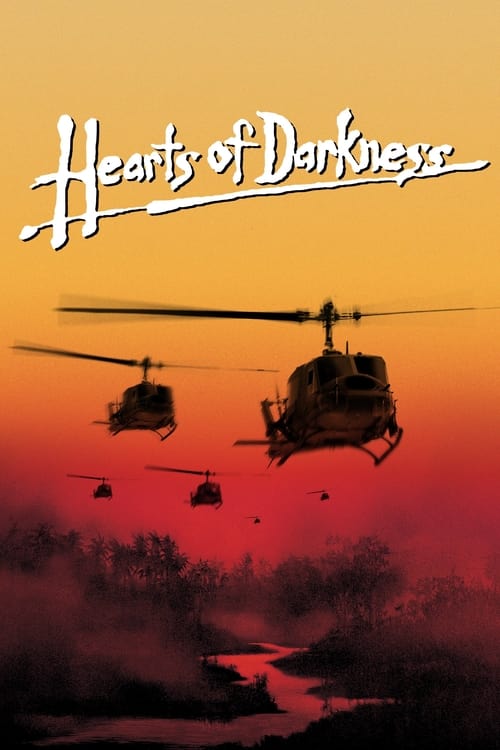
In the ending of "Hearts of Darkness: A Filmmaker's Apocalypse," Francis Ford Coppola finally completes his ambitious film "Apocalypse Now" after a tumultuous production filled with chaos, personal struggles, and the toll of the filmmaking process. The documentary captures the emotional and psychological strain on Coppola, as well as the impact on the cast and crew. The film concludes with a sense of triumph mixed with the acknowledgment of the darkness that surrounded the creation of the film.
As the documentary progresses toward its conclusion, we see the culmination of the arduous journey that began with Coppola's vision for "Apocalypse Now." The film's production faced numerous challenges, including the loss of key actors, financial difficulties, and the overwhelming pressure of creating a masterpiece. The emotional weight of these experiences is palpable, particularly for Coppola, who grapples with the fear of failure and the burden of his artistic ambition.
In the final scenes, we witness the premiere of "Apocalypse Now." The atmosphere is charged with anticipation as Coppola and his team prepare to unveil their work to the world. The audience's reactions are mixed, reflecting the film's complex themes and the intense journey that led to its creation. Coppola's relief and pride are evident, but so is the acknowledgment of the personal sacrifices made along the way.
The documentary closes with a reflection on the nature of creativity and the darkness that can accompany the pursuit of artistic vision. Coppola's journey serves as a testament to the struggles faced by filmmakers and the emotional toll of bringing a grand vision to life.
In a more detailed narrative, the ending unfolds as follows:
As the production of "Apocalypse Now" nears its conclusion, the atmosphere on set is fraught with tension. Francis Ford Coppola, visibly worn and emotionally drained, is seen pacing through the jungle, grappling with the enormity of his project. The weight of the film's themes--war, madness, and the human condition--hangs heavily on him. He reflects on the chaos that has enveloped the production, including the loss of actor Martin Sheen to a heart attack and the struggles with Marlon Brando's unpredictable behavior.
In a pivotal scene, Coppola is shown in a moment of vulnerability, expressing his fears about the film's reception and the potential for it to be a monumental failure. His wife, Eleanor, provides support, reminding him of the importance of his vision and the need to push through the darkness. This moment highlights the personal stakes involved, not just for Coppola but for everyone who has invested their time and energy into the project.
As the film finally reaches its completion, the premiere is set. The atmosphere is electric, filled with anticipation and anxiety. Coppola stands backstage, nervously awaiting the audience's reaction. The screening begins, and the audience is taken on a surreal journey through the film's haunting imagery and powerful performances. The reactions are mixed; some viewers are captivated, while others are bewildered by the film's complexity.
In the aftermath of the screening, Coppola is seen mingling with the audience, absorbing their feedback. He is both relieved and apprehensive, aware that the film's success or failure will define his career. The documentary captures his emotional rollercoaster, showcasing the joy of artistic achievement intertwined with the pain of the journey.
As the credits roll, the film reflects on the broader implications of the filmmaking process. Coppola's journey is emblematic of the struggles faced by artists, illustrating the fine line between genius and madness. The documentary concludes with a poignant reminder of the darkness that can accompany the pursuit of creativity, leaving viewers to ponder the sacrifices made in the name of art.
In the end, Francis Ford Coppola emerges as a changed man, having navigated the treacherous waters of filmmaking. The fate of the main characters--Coppola, Sheen, and Brando--serves as a testament to the personal and professional challenges inherent in the creative process. Coppola's triumph in completing "Apocalypse Now" is bittersweet, marked by the scars of the journey and the realization that the darkness of the creative process is an inseparable part of artistic expression.
Is there a post-credit scene?
Hearts of Darkness: A Filmmaker's Apocalypse does not have a post-credit scene. The documentary concludes with a powerful reflection on the tumultuous journey of creating Apocalypse Now, focusing on the struggles faced by director Francis Ford Coppola, the cast, and the crew during the production. The film ends on a note that encapsulates the chaos and intensity of the filmmaking process, leaving viewers with a profound understanding of the challenges and triumphs involved in bringing such a monumental project to life.
What challenges did Francis Ford Coppola face during the production of Apocalypse Now?
Francis Ford Coppola faced numerous challenges during the production of Apocalypse Now, including severe weather conditions in the Philippines, which led to delays and difficulties in shooting. The monsoon season caused flooding, damaging sets and equipment. Additionally, the cast and crew dealt with health issues, including Martin Sheen suffering a heart attack and the psychological toll of the intense filming environment. Coppola's vision for the film was grand, leading to budget overruns and conflicts with the studio.
How did the character of Colonel Kurtz evolve throughout the documentary?
In Hearts of Darkness, the character of Colonel Kurtz, portrayed by Marlon Brando, is depicted as a complex figure whose descent into madness reflects the chaos of war. The documentary reveals how Brando's portrayal was influenced by Coppola's vision and the challenges faced during filming. Kurtz's character becomes a symbol of the moral ambiguity and psychological turmoil experienced by soldiers, as Coppola grapples with the implications of his own creative process.
What role did the documentary reveal about the influence of the Vietnam War on the film's narrative?
Hearts of Darkness illustrates how the Vietnam War profoundly influenced the narrative of Apocalypse Now. The documentary shows Coppola's struggle to convey the horrors and moral complexities of war, reflecting the disillusionment of the era. The film's surreal imagery and themes of madness are directly tied to the chaotic backdrop of the Vietnam conflict, as Coppola sought to create a visceral experience that mirrored the psychological impact of the war on soldiers and society.
How did the relationship between Francis Ford Coppola and his wife Eleanor impact the filmmaking process?
The documentary highlights the significant role Eleanor Coppola played during the production of Apocalypse Now. As a filmmaker herself, she provided emotional support and insight, capturing behind-the-scenes footage that would later become part of Hearts of Darkness. Their relationship was tested by the stresses of the production, with Eleanor often expressing concern for Francis's well-being and the film's direction. Her perspective adds depth to the narrative, showcasing the personal sacrifices made during the filmmaking process.
What insights does Hearts of Darkness provide about the creative process of filmmaking?
Hearts of Darkness offers a raw and unfiltered look at the creative process behind Apocalypse Now, revealing the struggles and triumphs of filmmaking. It showcases Coppola's obsessive dedication to his vision, often at the expense of his health and relationships. The documentary captures moments of doubt, frustration, and inspiration, illustrating how the chaotic environment of production influenced the final film. It emphasizes the emotional and psychological toll that the pursuit of artistic integrity can take on a filmmaker.
Is this family friendly?
"Hearts of Darkness: A Filmmaker's Apocalypse" is a documentary that delves into the tumultuous production of Francis Ford Coppola's "Apocalypse Now." While it is a fascinating exploration of the filmmaking process, it contains several elements that may not be suitable for children or sensitive viewers.
-
Intense Emotional Struggles: The documentary showcases the mental and emotional toll that the production took on Coppola and his crew, including moments of despair and frustration that may be unsettling.
-
Substance Abuse: There are references to drug use and the pressures of the filmmaking environment, which may be concerning for younger audiences.
-
Violent Imagery: Clips from "Apocalypse Now" include graphic violence and disturbing imagery that reflect the horrors of war, which could be upsetting.
-
Themes of Madness: The film explores themes of obsession and madness, particularly in relation to Coppola's vision for the film, which may be intense for some viewers.
-
Conflict and Tension: The documentary captures conflicts among the cast and crew, including moments of anger and frustration that may be uncomfortable to watch.
Overall, while "Hearts of Darkness" is a compelling documentary for those interested in film and the creative process, it contains mature themes and content that may not be appropriate for children or sensitive individuals.








