






























Popular
What motivates Dave Kovic to impersonate the President?
How does Dave's relationship with the First Lady, Ellen Mitchell, develop throughout the film?
What challenges does Dave face while impersonating the President?
How does the character of Vice President Nance react to Dave's impersonation?
What specific actions does Dave take to improve the country during his time as President?
Should I watch it?
Ask Your Own Question

What is the plot?
Sorry, we aren't able to watch and write up a full detailed plot yet. Check back in a few days.




What is the ending?
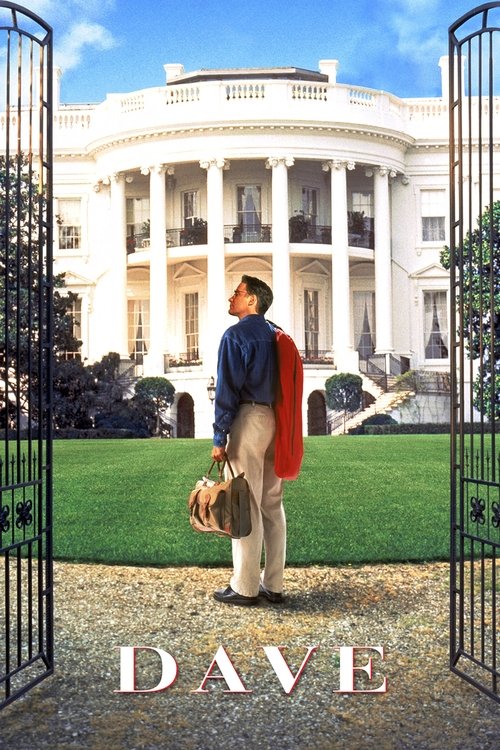
In the ending of the movie "Dave," the main character, Dave Kovic, who has been impersonating President Bill Mitchell, reveals the truth about his identity. After a series of events that highlight his genuine care for the American people, he ultimately resigns from his role as the president. The real President Mitchell, who has been in a coma, is revived and returns to the White House. Dave's actions lead to a positive change in the political landscape, and he ends up with a new life, having developed a romantic relationship with the First Lady, Ellen Mitchell.
Now, let's delve into the ending in a more detailed narrative fashion:
As the climax of the story unfolds, Dave Kovic, still impersonating President Bill Mitchell, stands in the Oval Office, grappling with the weight of his deception. The tension is palpable as he prepares to address the nation. He knows that the real President Mitchell is still in a coma, and the political machinations surrounding him are becoming increasingly complex. Dave's heart is heavy with the knowledge that he has been living a lie, yet he has also grown to care deeply for the people he has been serving.
In a pivotal scene, Dave decides to hold a press conference to announce a new initiative aimed at helping the American middle class. As he speaks, his sincerity shines through, and the audience can feel his genuine desire to make a difference. The camera captures the faces of the reporters, who are initially skeptical but gradually become captivated by his authenticity. Dave's passion for the issues at hand resonates with the public, and he begins to win their hearts.
However, the political advisors, particularly the scheming Chief of Staff, are growing increasingly anxious about Dave's popularity. They fear that his connection with the people could undermine their control. In a tense moment, they confront Dave, urging him to stick to the scripted agenda. But Dave, emboldened by his experiences, stands firm, insisting that he will not compromise his values for political gain.
As the story reaches its climax, the real President Mitchell unexpectedly awakens from his coma. The news sends shockwaves through the White House. Dave is faced with a moral dilemma: should he continue the charade or reveal the truth? Ultimately, he chooses honesty. In a heartfelt moment, he confides in Ellen Mitchell, the First Lady, expressing his love for her and his desire to do what is right. Their connection has deepened throughout the film, and this moment solidifies their bond.
In a dramatic turn of events, Dave publicly reveals his true identity during a televised address. He explains how he stepped in to help when the country needed a leader, emphasizing the importance of integrity and compassion in politics. The nation watches, captivated by his bravery. The revelation sends ripples through the political landscape, and the public reacts with a mix of shock and admiration.
As the dust settles, President Mitchell returns to the White House, and Dave's time as the stand-in president comes to an end. The real president, now aware of the impact Dave has made, acknowledges the changes that need to happen within the administration. He expresses gratitude to Dave for stepping up during a critical time, recognizing that the country is better for it.
In the final scenes, Dave walks away from the White House, a free man. He has made a significant impact on the nation and has found a new sense of purpose. The camera captures him sharing a tender moment with Ellen, hinting at the possibility of a future together. As they walk hand in hand, the sun sets behind them, symbolizing new beginnings and the hope for a better tomorrow.
The fates of the main characters are as follows: Dave Kovic, having transformed from a humble temp agency owner to a beloved figure in the public eye, steps into a new life filled with possibilities. Ellen Mitchell, who has grown to love Dave for his authenticity and kindness, is left with the choice of pursuing a relationship with him, free from the constraints of her previous life. President Bill Mitchell, having regained consciousness, is given a second chance to lead, with the understanding that he must change his ways to truly serve the people. The Chief of Staff, who had been manipulating events behind the scenes, is left to face the consequences of his actions, as the political landscape shifts in response to Dave's influence.
Is there a post-credit scene?
The movie "Dave," produced in 1993, does not have a post-credit scene. The film concludes with a satisfying resolution to the story, focusing on the aftermath of Dave Kovic's impersonation of President Bill Mitchell. After the climax, where Dave successfully navigates the political landscape and helps to bring about positive change, the film wraps up with a sense of hope and new beginnings. The final scenes show Dave and his love interest, Ellen Mitchell, together, hinting at a bright future. The credits roll without any additional scenes or content following them.
What motivates Dave Kovic to impersonate the President?
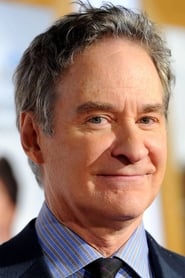
Dave Kovic, played by Kevin Kline, is a kind-hearted and affable man who runs a temp agency. His motivation to impersonate President Bill Mitchell stems from a chance encounter when he is asked to stand in for the President during a public event. After the President suffers a stroke, Dave is thrust into the role, and he feels a sense of duty to help the country and the people he meets, as well as a desire to make a positive impact.
How does Dave's relationship with the First Lady, Ellen Mitchell, develop throughout the film?
Initially, Ellen Mitchell, portrayed by Sigourney Weaver, is unaware of Dave's true identity. As Dave steps into the role of her husband, he shows her kindness and attention that she has been missing in her marriage. This leads to a deep emotional connection between them, as Dave's genuine nature contrasts sharply with the aloofness of the real President. Their relationship evolves from one of formality to a more intimate bond, highlighting Dave's ability to connect with her on a personal level.
What challenges does Dave face while impersonating the President?
Dave faces numerous challenges while impersonating President Mitchell. He must navigate the complexities of political decisions, manage the expectations of the staff, and deal with the media. Additionally, he struggles with the moral implications of his deception, especially as he begins to implement changes that reflect his own values. The pressure mounts as he must maintain the facade while also trying to ensure the well-being of the country and the people around him.
How does the character of Vice President Nance react to Dave's impersonation?
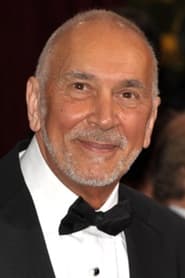
Vice President Nance, played by Frank Langella, is initially skeptical of Dave's ability to fill in for the President. As Dave begins to make decisions that challenge Nance's authority and political agenda, Nance becomes increasingly threatened and hostile. He attempts to undermine Dave's efforts and regain control, showcasing his ambition and willingness to do whatever it takes to maintain power, which creates tension and conflict throughout the film.
What specific actions does Dave take to improve the country during his time as President?
During his time impersonating President Mitchell, Dave takes several specific actions aimed at improving the country. He focuses on issues such as education reform, healthcare, and the economy, implementing policies that reflect his genuine concern for the American people. He also works to foster a sense of unity and hope, contrasting with the previous administration's approach. His actions resonate with the public, leading to a surge in approval ratings and a renewed sense of optimism.
Is this family friendly?
The movie "Dave," produced in 1993, is generally considered family-friendly, but there are a few scenes and aspects that might be potentially objectionable or upsetting for children or sensitive viewers:
-
Political Intrigue: The film involves themes of political manipulation and deception, which may be complex for younger viewers to understand.
-
Mild Language: There are instances of mild profanity and some suggestive dialogue that may not be suitable for very young children.
-
Romantic Elements: The film includes a romantic subplot that features some adult themes, including discussions about relationships and fidelity.
-
Emotional Tension: There are moments of emotional distress, particularly related to the pressures of political life and the consequences of deception, which could be upsetting for sensitive viewers.
-
Mild Violence: While not graphic, there are scenes that involve threats and confrontations that may be intense for younger audiences.
Overall, while "Dave" is light-hearted and comedic, these elements may warrant parental guidance for younger viewers.









