


























































Popular
What is the main plan of Julius Caesar in the movie?
How do Asterix and Obelix react to Caesar's plan?
What role does Getafix play in the story?
How do the villagers respond to the construction of the Mansions of the Gods?
What is the significance of the character of the Roman architect, who is tasked with building the Mansions?
Should I watch it?
Ask Your Own Question

What is the plot?
Sorry, we aren't able to watch and write up a full detailed plot yet. Check back in a few days.







What is the ending?
In the ending of "Asterix: The Mansions of the Gods," Asterix and Obelix successfully thwart Julius Caesar's plans to conquer their village by using the magic potion to rally the villagers. They manage to expose the flaws in Caesar's grand project, leading to the collapse of the Roman plan. The villagers celebrate their victory, and the Romans retreat, while Asterix and Obelix enjoy a feast.
Now, let's delve into the ending in a more detailed narrative fashion:
As the climax of the story unfolds, the scene shifts to the Roman construction site where the Mansions of the Gods are being built. Julius Caesar, confident in his plan to assimilate the Gauls, is overseeing the project with a sense of triumph. However, unbeknownst to him, Asterix and Obelix are devising a counter-strategy. They gather the villagers, who are initially skeptical but soon become inspired by Asterix's unwavering spirit and the promise of the magic potion.
In a pivotal moment, Asterix brews the magic potion, which grants them extraordinary strength. The villagers, now emboldened, march towards the construction site, ready to confront the Romans. The atmosphere is charged with determination and camaraderie as they chant and rally together, showcasing their unity against the Roman threat.
As they arrive at the Mansions of the Gods, chaos ensues. The Romans, taken by surprise, scramble to defend their project. Asterix and Obelix lead the charge, using their enhanced strength to dismantle the Roman structures. The scene is filled with comedic yet intense action as the Gauls outsmart the Romans at every turn, showcasing their cleverness and resilience.
Meanwhile, Julius Caesar watches in disbelief as his grand vision crumbles before his eyes. His frustration grows, and he realizes that the Gauls are not easily conquered. The villagers, fueled by their newfound confidence, continue to thwart the Romans, causing mayhem and destruction to the Mansions of the Gods.
In a final confrontation, Asterix and Obelix face off against Caesar's elite guards. With teamwork and the power of the potion, they manage to defeat the guards, sending them fleeing. The Romans, demoralized and defeated, abandon their plans, retreating from the village in disarray.
As the dust settles, the villagers gather to celebrate their victory. They rejoice in their freedom and the strength of their community. Asterix and Obelix, standing amidst their friends, share a moment of triumph, their bond stronger than ever. The scene is filled with laughter, food, and the spirit of camaraderie, emphasizing the importance of friendship and unity in the face of adversity.
In the final moments, the camera pans out to show the village, now safe and vibrant, as the Romans retreat in the distance. Asterix and Obelix, content with their victory, sit down to enjoy a feast, embodying the joy of their hard-fought freedom. The film closes on a high note, celebrating the indomitable spirit of the Gauls and their unwavering resistance against oppression.
Is there a post-credit scene?
In "Asterix: The Mansions of the Gods," there is indeed a post-credit scene that adds a humorous touch to the film. After the main credits roll, the scene opens with a view of the Roman camp, where we see a group of Roman soldiers discussing the events that have transpired. They are bewildered by the resilience of the Gauls and their ability to thwart the Roman plans.
As the soldiers bicker and complain about their failed attempts to conquer the Gauls, one soldier suggests that they should try a different approach, perhaps by using more cunning tactics. This leads to a comedic exchange where they brainstorm ridiculous ideas, showcasing their lack of understanding of the Gauls' strength and unity.
The scene captures the essence of the film's humor, highlighting the absurdity of the Romans' ongoing struggles against Asterix and Obelix. It leaves the audience with a light-hearted feeling, reinforcing the theme of the indomitable spirit of the Gauls in the face of Roman conquest. The playful banter among the soldiers serves as a fitting conclusion to the film, reminding viewers of the enduring charm of the Asterix series.
What is the main plan of Julius Caesar in the movie?
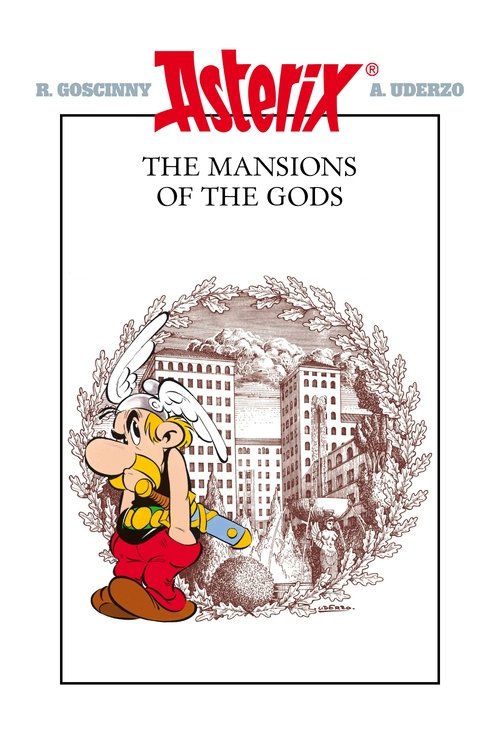
Julius Caesar devises a plan to conquer the indomitable Gauls by building a luxurious housing complex called 'The Mansions of the Gods' right next to their village. His strategy is to entice the Gauls with Roman civilization and culture, hoping they will abandon their village and integrate into Roman society.
How do Asterix and Obelix react to Caesar's plan?
Asterix and Obelix are initially skeptical of Caesar's plan. They recognize the threat it poses to their village and the Gaulish way of life. Asterix, being the clever strategist, devises a plan to thwart Caesar's efforts, while Obelix, with his immense strength, is ready to confront any Roman soldiers that come their way.
What role does Getafix play in the story?
Getafix, the village druid, plays a crucial role in the story as he is the keeper of the magic potion that gives the Gauls their superhuman strength. He is deeply concerned about the impact of Caesar's Mansions on their village and works closely with Asterix and Obelix to protect their home and the traditions of their people.
How do the villagers respond to the construction of the Mansions of the Gods?
The villagers are initially intrigued by the Mansions of the Gods and the luxurious lifestyle it promises. However, as they witness the Romans' true intentions and the threat to their freedom, they rally together to resist the encroachment, showcasing their unity and determination to protect their way of life.
What is the significance of the character of the Roman architect, who is tasked with building the Mansions?
The Roman architect, who is tasked with building the Mansions of the Gods, represents the Roman ambition and the cultural clash between the Romans and the Gauls. His character adds a layer of humor and complexity, as he becomes increasingly frustrated with the challenges posed by the Gauls and their resistance, ultimately highlighting the absurdity of Caesar's grand plans.
Is this family friendly?
"Asterix: The Mansions of the Gods" is generally considered family-friendly, but there are a few scenes and aspects that might be potentially objectionable or upsetting for children or sensitive viewers.
-
Violence and Conflict: The film features scenes of cartoonish violence, including battles between the Romans and the Gauls. While the violence is not graphic, it may be intense for very young children.
-
Mild Scary Moments: There are moments that may be perceived as frightening, such as the portrayal of Roman soldiers and their aggressive tactics, which could be intimidating for some viewers.
-
Themes of Oppression: The film explores themes of colonization and oppression, as the Romans attempt to conquer the Gauls. This may lead to discussions about power dynamics that some parents might find complex for younger audiences.
-
Slightly Mature Humor: The humor includes some innuendos and references that may go over the heads of children but could be considered inappropriate for very young viewers.
-
Character Discontent: Some characters experience feelings of frustration and sadness, particularly in relation to the changes brought about by the Romans, which might resonate emotionally with sensitive viewers.
Overall, while the film is designed for a family audience, these elements may warrant parental guidance for younger children.









