
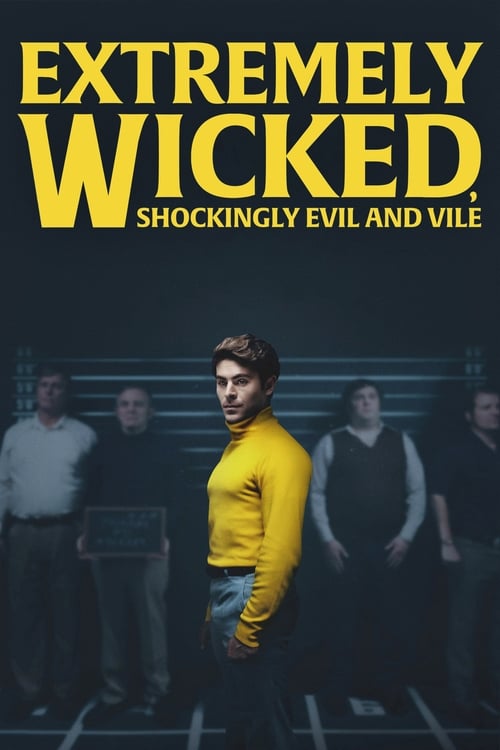

































Popular
What role does Elizabeth Kloepfer play in Ted Bundy's life?
How does Ted Bundy manipulate those around him?
What is the significance of the courtroom scenes in the film?
How does Elizabeth's perception of Bundy change throughout the film?
What impact does Bundy's trial have on his family and friends?
Should I watch it?
Ask Your Own Question

What is the plot?
Sorry, we aren't able to watch and write up a full detailed plot yet. Check back in a few days.







What is the ending?
In the ending of "Extremely Wicked, Shockingly Evil and Vile," Ted Bundy is sentenced to death after being found guilty of multiple murders. He continues to maintain his innocence, even as he faces execution. Liz, his long-time girlfriend, ultimately realizes the truth about his heinous crimes and decides to move on with her life. The film concludes with Bundy's execution, showcasing his final moments and the impact of his actions on those around him.
As the film approaches its conclusion, the tension escalates. The scene opens in a courtroom where Ted Bundy, portrayed by Zac Efron, sits with a calm demeanor, despite the gravity of the situation. The atmosphere is thick with anticipation as the jury deliberates on his fate. Bundy, who has been charming and manipulative throughout the trial, maintains his innocence, even as the evidence against him mounts. His eyes flicker with a mix of defiance and desperation, revealing the internal conflict of a man who cannot accept the reality of his actions.
The verdict is announced: guilty on multiple counts of murder. The camera captures the shock and horror on the faces of the victims' families, juxtaposed with Bundy's stoic expression. He is led away in handcuffs, his charm now stripped away, leaving behind a chilling reminder of the monster he truly is. The weight of his crimes hangs heavy in the air, and the audience feels the emotional toll on those who have suffered because of him.
In a subsequent scene, Liz, played by Lily Collins, is shown grappling with the truth about Bundy. She sits alone in her apartment, surrounded by memories of their life together. The realization of his guilt washes over her like a tidal wave, and she is left to confront the betrayal and horror of having loved a man capable of such evil. Her emotional turmoil is palpable; she is torn between the love she once felt and the monstrous reality of Bundy's actions. This moment signifies her breaking point, as she decides to sever ties with him for good.
As the film progresses, we see Bundy in prison, where he continues to project an air of confidence, even as his execution date approaches. He engages in conversations with his lawyer, attempting to devise a plan for appeal, but the futility of his situation becomes increasingly evident. The camera lingers on his face, capturing the flicker of fear that occasionally breaks through his bravado. He is a man trapped by his own choices, and the impending execution looms over him like a dark cloud.
In the final moments, the film shifts to the execution chamber. Bundy is strapped to the gurney, and the atmosphere is somber. The scene is stark, devoid of the charm he once wielded. As the lethal injection begins, he utters his final words, a mix of defiance and resignation. The camera captures the faces of the witnesses, reflecting a range of emotions from relief to sorrow. Bundy's life comes to an end, and the screen fades to black, leaving the audience to ponder the impact of his actions.
The film concludes with a montage of news clips and images of Bundy's victims, emphasizing the real-life consequences of his crimes. Liz is shown moving forward with her life, a symbol of resilience in the face of unimaginable betrayal. The final scenes serve as a haunting reminder of the darkness that can lurk beneath a charming facade, and the lasting scars left on those who are affected by such evil. The fates of the main characters are sealed: Bundy meets his end, while Liz begins the difficult journey of healing and reclaiming her life.
Is there a post-credit scene?
In the movie "Extremely Wicked, Shockingly Evil and Vile," there is no post-credit scene. The film concludes with a focus on Ted Bundy's trial and the impact of his actions on those around him, particularly his long-time girlfriend, Elizabeth Kloepfer. The ending emphasizes the emotional turmoil and betrayal she experiences as she grapples with the reality of Bundy's crimes. The film wraps up without any additional scenes or content after the credits, leaving the audience to reflect on the chilling nature of Bundy's life and the facade he maintained.
What role does Elizabeth Kloepfer play in Ted Bundy's life?
Elizabeth Kloepfer, portrayed by Lily Collins, is a significant figure in Ted Bundy's life, serving as his girlfriend and later, a pivotal character in the narrative. Throughout the film, her emotional turmoil is palpable as she grapples with her love for Bundy and her growing suspicions about his involvement in a series of heinous crimes. Her internal conflict is depicted through her struggles to reconcile the charming persona of Bundy with the horrifying allegations against him. As the story unfolds, Elizabeth's journey from blind love to a painful realization of the truth showcases her emotional depth and resilience.
How does Ted Bundy manipulate those around him?
Ted Bundy, played by Zac Efron, is portrayed as a master manipulator throughout the film. His charm and charisma allow him to easily win over those around him, including Elizabeth and his friends. The film illustrates his ability to present a facade of normalcy, which masks his darker impulses. Key scenes depict him using his intelligence and good looks to deflect suspicion, such as when he engages with law enforcement or when he appears in court, maintaining an air of innocence. This manipulation is central to the plot, as it highlights the contrast between his public persona and his true nature.
What is the significance of the courtroom scenes in the film?
The courtroom scenes in 'Extremely Wicked, Shockingly Evil and Vile' serve as a critical turning point in the narrative, showcasing the public's fascination with Bundy and the media circus surrounding his trials. These scenes are filled with tension, as Bundy represents himself, displaying both arrogance and a chilling confidence. The emotional stakes are high for Elizabeth, who watches the proceedings unfold, torn between her lingering feelings for Bundy and the overwhelming evidence against him. The courtroom becomes a battleground for Bundy's manipulation, as he attempts to sway public opinion while revealing the psychological impact of his actions on those who loved him.
How does Elizabeth's perception of Bundy change throughout the film?
Elizabeth's perception of Ted Bundy undergoes a profound transformation throughout the film. Initially, she is enamored by his charm and intelligence, viewing him as the perfect partner. However, as the evidence against him mounts and she begins to confront the reality of his actions, her love turns to disbelief and horror. Key moments, such as her discovery of his lies and the chilling phone call where he admits to being a killer, mark significant shifts in her emotional state. The film poignantly captures her journey from denial to acceptance, illustrating the painful process of reconciling her love for Bundy with the monstrous truth.
What impact does Bundy's trial have on his family and friends?
The impact of Bundy's trial on his family and friends is depicted with emotional intensity in the film. As the trial progresses, the strain on his relationships becomes evident, particularly with Elizabeth, who feels betrayed and confused. Bundy's friends, initially supportive, begin to distance themselves as the evidence against him becomes undeniable. The film portrays the emotional fallout, showcasing scenes of despair, disbelief, and anger among those who once believed in his innocence. This ripple effect highlights the broader consequences of Bundy's actions, emphasizing how his crimes not only affect his victims but also devastate the lives of those who cared for him.
Is this family friendly?
"Extremely Wicked, Shockingly Evil and Vile" is not considered family-friendly due to its mature themes and content. Here are some potentially objectionable or upsetting aspects that may affect children or sensitive viewers:
-
Violence and Crime: The film depicts the criminal activities of Ted Bundy, including references to murder and violence, which may be disturbing.
-
Graphic Imagery: While the film does not show graphic violence in detail, it alludes to horrific acts and the aftermath of Bundy's crimes, which can be unsettling.
-
Emotional Turmoil: The emotional struggles of the characters, particularly Elizabeth Kloepfer, are portrayed with intensity, showcasing themes of betrayal, manipulation, and trauma.
-
Substance Abuse: There are scenes that involve alcohol and the impact of substance abuse on relationships, which may be inappropriate for younger viewers.
-
Legal Proceedings: The courtroom scenes can be intense, highlighting the tension and emotional weight of Bundy's trial, which may be distressing.
-
Psychological Manipulation: The film explores themes of manipulation and deceit, particularly in relationships, which may be complex and difficult for younger audiences to understand.
Overall, the film's exploration of dark themes and real-life events surrounding a notorious serial killer makes it more suitable for mature audiences.









