


Popular
What role does the setting play in the events of Episode 1?
What significant events occur in the first episode of Season 3?
How do the main characters' relationships evolve in Episode 1 of Season 3?
Which new characters are introduced in Episode 1, and how do they impact the story?
What are the key emotional moments for the characters in Episode 1?
Should I watch it?
Ask Your Own Question

What is the plot?
In the opening scene of "Episode 1," the camera pans over a picturesque landscape of Hessen, showcasing the lush greenery and quaint villages that define the region. The year is 1950, and the atmosphere is filled with a sense of nostalgia and change. The audience is introduced to the main character, a middle-aged man named Heinrich, who is seen tending to his small farm. His hands are calloused, and his face shows the wear of hard work, but there is a glimmer of hope in his eyes as he surveys his land.
As Heinrich works, he receives a visit from his neighbor, Frau Müller, who brings news of a local festival that is set to take place in the coming days. She expresses her excitement about the event, which will feature traditional music, dancing, and local delicacies. Heinrich, however, seems hesitant and distracted, revealing his internal struggle with the changes happening in post-war Germany. He feels a deep connection to the past and is unsure about embracing the future.
The scene shifts to the village square, where preparations for the festival are underway. Colorful banners are being hung, and villagers are bustling about, each contributing to the festivities. Among them is a young woman named Anna, who is passionate about preserving the traditions of Hessen. She is seen organizing the music and dance performances, her enthusiasm infectious. Anna's character is introduced as someone who embodies the spirit of the community, and her interactions with the villagers highlight her dedication to keeping their culture alive.
As the festival approaches, tensions arise when a group of outsiders arrives in the village. They are developers looking to buy land for a new housing project. The villagers, including Heinrich, are wary of their intentions, fearing that the development will destroy their way of life. A heated town meeting is called, where the developers present their plans, promising jobs and modernization. Heinrich stands up to voice his concerns, passionately arguing that the village's heritage should be preserved. His emotional plea resonates with some villagers, but others are tempted by the promise of progress.
The developers, sensing the resistance, offer a bribe to a few influential villagers, attempting to sway the vote in their favor. This creates a rift within the community, as friendships are tested and loyalties questioned. Anna, witnessing the division, takes it upon herself to rally the villagers to stand united against the developers. She organizes a protest, encouraging everyone to wear traditional clothing to the festival as a symbol of their heritage.
On the day of the festival, the village square is alive with music and laughter. Heinrich, initially reluctant, finds himself drawn into the festivities as he sees the joy it brings to the community. He dances with Frau Müller and shares stories with the children, momentarily forgetting the looming threat of the developers. However, the atmosphere shifts when the developers arrive, attempting to disrupt the celebration by handing out flyers promoting their project.
In a pivotal moment, Anna takes the stage and addresses the crowd, passionately defending their traditions and urging them to reject the developers' plans. Her speech ignites a fire within the villagers, and they collectively decide to stand against the encroachment on their land. The developers, realizing they have underestimated the community's resolve, retreat but vow to return with a stronger proposal.
The episode concludes with Heinrich reflecting on the day's events. He stands alone on his farm, looking out over the fields that have been in his family for generations. The weight of the decision to fight for their heritage settles heavily on his shoulders, but there is also a newfound sense of purpose. The camera zooms out, capturing the beauty of the landscape as the sun sets, symbolizing both the challenges ahead and the enduring spirit of the village.



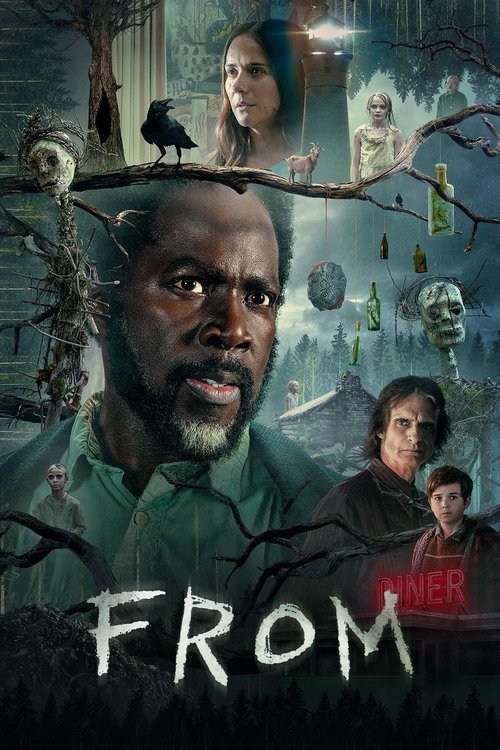





What is the ending?
In the ending of "So war das alte Hessen," Season 3, Episode 1, the characters face the consequences of their actions throughout the episode. The tensions that have built up culminate in a confrontation that reveals deep-seated emotions and unresolved conflicts. The episode concludes with a sense of uncertainty for the characters, leaving their futures hanging in the balance.
As the episode draws to a close, the scene shifts to a dimly lit room where the main characters gather. The atmosphere is thick with tension, and the weight of their past decisions looms heavily over them. Each character's face reflects a mix of anxiety and determination as they prepare to confront the issues that have been plaguing them.
The first character to speak is Hans, whose voice trembles slightly as he addresses the group. He expresses regret for the choices he has made, revealing his internal struggle and desire for redemption. His vulnerability resonates with the others, prompting a moment of silence as they absorb his words. The camera captures the flicker of hope in his eyes, suggesting that he yearns for a chance to make amends.
Next, Anna steps forward, her expression a blend of anger and sorrow. She confronts Hans about the pain his actions have caused her and others. Her voice rises, filled with emotion as she recounts specific instances that have led to their current predicament. The intensity of her feelings is palpable, and the audience can sense the depth of her hurt. As she speaks, the camera zooms in on her face, highlighting the tears that threaten to spill over, showcasing her vulnerability.
In the background, Peter stands quietly, his arms crossed, a look of contemplation on his face. He has been a silent observer, but as the confrontation escalates, he finally interjects. His words are measured and thoughtful, urging the group to find a way to move forward rather than dwell on the past. His calm demeanor contrasts sharply with the emotional turmoil of the others, and the audience can see the internal conflict he faces as he tries to mediate the situation.
As the discussion continues, the characters begin to share their own perspectives, revealing their fears and aspirations. The dialogue flows naturally, with each character contributing to the conversation, creating a tapestry of emotions that reflects their intertwined lives. The camera captures close-ups of their faces, emphasizing the rawness of their feelings and the weight of their shared history.
The climax of the episode occurs when a sudden outburst from Anna leads to a physical confrontation. The tension reaches a boiling point, and the characters grapple with their emotions, both verbally and physically. The scene is chaotic, filled with shouting and movement, as they struggle to express their frustrations. The camera shakes slightly, mirroring the turmoil of the moment, and the audience can feel the urgency of their conflict.
As the dust settles, the characters find themselves exhausted, both physically and emotionally. They stand in a circle, breathing heavily, their expressions a mix of relief and uncertainty. It becomes clear that while they have confronted their issues, the resolution is far from complete. The episode ends with a lingering sense of ambiguity, leaving the audience to ponder the fate of each character.
Hans, despite his initial vulnerability, is left with the weight of his past decisions still hanging over him. Anna, while having expressed her pain, is still grappling with her feelings and the potential for forgiveness. Peter, the mediator, is left to navigate the aftermath of the confrontation, uncertain of how to help his friends heal. The episode closes on a note of unresolved tension, suggesting that their journey is far from over, and the audience is left to wonder what the future holds for each of them.
Is there a post-credit scene?
In "So war das alte Hessen," Season 3, Episode 1, there is no post-credit scene. The episode concludes without any additional content after the credits roll, focusing instead on wrapping up the narrative threads presented throughout the episode. The story centers on the historical context of Hessen, exploring the lives and experiences of its residents during a significant period, but it does not include any teaser or additional scene that would typically be found in a post-credit sequence. The episode ends on a reflective note, allowing viewers to ponder the themes presented without further elaboration.
What role does the setting play in the events of Episode 1?
The setting in Episode 1 is crucial as it reflects the historical context of Hessen during the time. The picturesque yet tumultuous backdrop of the region serves as a character in itself, influencing the characters' actions and decisions. The contrast between the idyllic landscapes and the underlying societal issues creates a palpable tension that drives the narrative forward.
What significant events occur in the first episode of Season 3?
In the first episode of Season 3, the story picks up with the aftermath of the previous season's conflicts. The characters are seen grappling with the consequences of their decisions, particularly focusing on the tensions between the families involved in the ongoing feud. Key scenes depict the characters' emotional struggles as they navigate their relationships and the societal changes around them.
How do the main characters' relationships evolve in Episode 1 of Season 3?
In Episode 1, the relationships among the main characters are tested. For instance, the bond between two central figures is strained due to misunderstandings and past grievances. Their interactions are filled with tension, showcasing their internal conflicts and desires for reconciliation, yet they are unable to communicate effectively, leading to emotional turmoil.
Which new characters are introduced in Episode 1, and how do they impact the story?
In Episode 1, several new characters are introduced, each bringing their own complexities to the existing narrative. One character, in particular, becomes a catalyst for change, challenging the status quo and forcing the main characters to confront their biases and fears. Their presence adds layers to the plot, creating new alliances and rivalries.
What are the key emotional moments for the characters in Episode 1?
Key emotional moments in Episode 1 include a poignant confrontation between two characters who have been at odds, revealing deep-seated fears and regrets. Another significant moment occurs when a character experiences a moment of vulnerability, leading to a breakthrough in their personal journey. These scenes are rich in emotional depth, showcasing the characters' struggles and desires.
Is this family friendly?
"So war das alte Hessen," particularly in Season 3, Episode 1, maintains a family-friendly approach overall. However, there are a few aspects that might be considered potentially objectionable or upsetting for children or sensitive viewers:
-
Historical Context: The episode delves into historical events that may include themes of conflict, loss, or hardship, which could be emotionally heavy for younger audiences.
-
Emotional Scenes: There are moments of personal struggle and emotional turmoil among characters that may evoke feelings of sadness or discomfort.
-
Mature Themes: Discussions or depictions of societal issues from the past may arise, which could be complex and difficult for younger viewers to fully understand.
-
Visual Depictions: While not graphic, there may be visual representations of historical settings that reflect the harsher realities of life during that time, which could be unsettling for some.
Overall, while the show is designed to be accessible to a wide audience, these elements may require parental guidance for younger viewers.