




Popular
What specific artwork do the team investigate in the first episode of Series 10?
What challenges do the experts face when trying to authenticate the painting in the first episode?
How does the team approach the investigation of the second artwork in Series 10?
What emotional reactions do the owners of the artworks display during the investigation process?
What role does expert art historian Bendor Grosvenor play in the investigations throughout Series 10?
Should I watch it?
Ask Your Own Question

What is the plot?
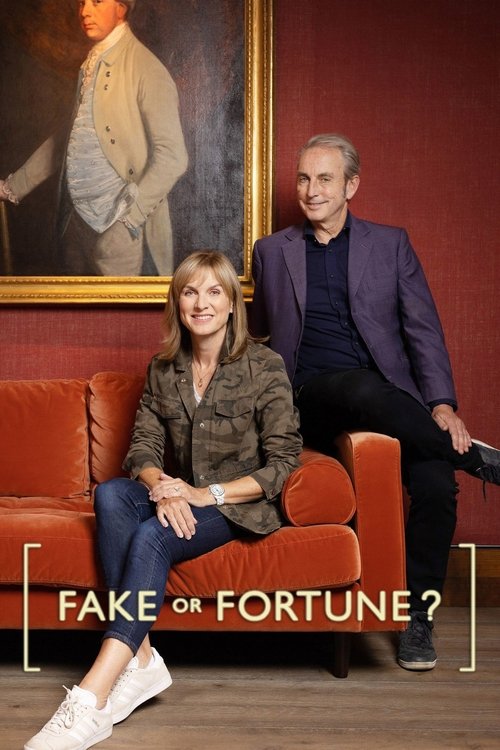
In the first episode of "Fake or Fortune?" Season 10, the team, consisting of Fiona Bruce, Philip Mould, and their experts, is presented with a painting that is believed to be by the renowned artist, John Constable. The painting, a landscape, is owned by a family who has cherished it for generations. They are eager to discover its authenticity and potential value. The episode opens with Fiona and Philip examining the painting in the family's home, where they discuss its provenance and the family's connection to it.
As they delve deeper, they learn that the painting was passed down through the family, but there are gaps in its history. Philip decides to investigate the painting's materials and techniques, suspecting that it may hold clues to its authenticity. He takes the painting to a conservation expert who analyzes the canvas and paint. The expert notes that the materials used are consistent with those used in the 19th century, which aligns with Constable's time.
Next, the team seeks to find any documentation that could support the painting's attribution to Constable. They scour archives and libraries, looking for exhibition records or sales receipts. During this research, they uncover a potential link to a previous owner who had connections to Constable, which adds a layer of intrigue to the investigation. Fiona expresses excitement at the prospect of uncovering a significant piece of art history.
As the investigation progresses, Philip and Fiona visit the location depicted in the painting, hoping to find any visual similarities that could further authenticate it. They take photographs and compare them to the painting, noting the similarities in the landscape. This field trip invigorates their search, and they feel a growing sense of hope that they may be onto something substantial.
However, the plot thickens when they discover that a similar painting attributed to Constable has been sold at auction for a significant sum. This revelation raises questions about the authenticity of their painting. Philip decides to consult with art historians and experts who specialize in Constable's work. They provide insights into the artist's style and techniques, which Philip meticulously compares to their painting.
In a pivotal moment, the team receives a breakthrough when they find a letter from a previous owner that mentions the painting and its connection to Constable. This letter serves as a crucial piece of evidence, and Fiona and Philip feel a renewed sense of determination. They prepare to present their findings to the family, hoping to provide them with the answers they seek.
The climax of the episode occurs when Fiona and Philip reveal their findings to the family. They present the evidence, including the analysis of the materials, the historical connections, and the letter. The family is visibly emotional, grappling with the possibility that their cherished painting may indeed be a genuine Constable. The tension builds as they await the final verdict from the experts.
In the concluding moments, the team receives confirmation from a leading art expert who validates their findings. The painting is officially attributed to John Constable, and the family is overwhelmed with joy. They express their gratitude to Fiona and Philip for their dedication and hard work. The episode ends on a high note, celebrating the successful uncovering of art history and the emotional connection it brings to the family.








What is the ending?
In the finale of "Fake or Fortune?" Season 10, the team investigates a painting attributed to the artist John Constable. After thorough research and expert consultations, they uncover evidence that confirms the painting's authenticity. The owner is elated, as the painting is valued significantly higher than initially thought. The episode concludes with a sense of triumph for the team, showcasing their dedication and expertise in the art world.
As the episode unfolds, the team, led by Fiona Bruce, embarks on a journey to authenticate a painting believed to be a work by the renowned artist John Constable. The owner, a passionate art collector, is hopeful yet anxious about the painting's provenance. The scene opens with Fiona meeting the owner in a sunlit gallery, where the painting hangs prominently. The owner expresses a deep emotional connection to the piece, sharing stories of how it has been in their family for generations.
The investigation begins with Fiona and the team examining the painting closely. They note the brushwork and colors, discussing how these elements align with Constable's style. The atmosphere is tense yet filled with excitement as they gather initial impressions. The owner watches intently, their heart racing with anticipation.
Next, the team consults art historians and experts, delving into archives and historical records. They sift through documents, searching for any mention of the painting or its previous owners. The scene shifts to a dimly lit library, where Fiona and her colleagues pore over old texts, their expressions a mix of determination and hope. The stakes feel high, as the potential value of the painting looms large in the background.
As the investigation progresses, the team faces challenges. They encounter conflicting opinions from experts, which adds to the tension. One expert expresses skepticism about the painting's authenticity, citing discrepancies in the signature. The owner's anxiety grows, and they confide in Fiona about their fears of disappointment. Fiona reassures them, emphasizing the importance of thorough research.
In a pivotal moment, the team discovers a previously overlooked detail in the painting that aligns perfectly with Constable's known works. This revelation ignites a spark of hope. The scene shifts to a bright, airy studio where the team gathers to discuss their findings. The atmosphere is charged with excitement as they piece together the evidence, each member contributing their insights.
The climax of the episode arrives when the team presents their findings to a panel of experts. The owner stands nervously by, their hands clasped tightly. As the experts deliberate, the tension in the room is palpable. Finally, the lead expert announces that the painting is indeed a genuine Constable. The owner's face lights up with joy, tears of relief streaming down their cheeks. The team shares in the celebration, their hard work and dedication paying off.
The episode concludes with a reflective moment as Fiona and the team discuss the journey they undertook. They express pride in their ability to uncover the truth and the emotional impact of their work on the owners of the art. The owner, now filled with hope and excitement, contemplates the future of the painting, knowing it holds not just monetary value but also a deep personal significance.
In the end, the fate of the main characters is one of triumph and fulfillment. Fiona and her team solidify their reputation as experts in the field, while the owner gains not only a valuable piece of art but also a renewed connection to their family history. The episode closes on a high note, celebrating the intersection of art, history, and personal stories.
Is there a post-credit scene?
In the show "Fake or Fortune?" Season 10, there are no post-credit scenes. Each episode concludes with a summary of the findings and a reflection on the journey taken to uncover the truth behind the artwork in question. The focus remains on the investigation and the emotional responses of the individuals involved, rather than extending the narrative with additional scenes after the credits. The episodes wrap up with a sense of closure regarding the authenticity of the artworks explored, leaving viewers with a clear understanding of the outcomes without any additional content following the main story.
What specific artwork do the team investigate in the first episode of Series 10?
In the first episode of Series 10, the team investigates a painting attributed to the artist John Constable, which is believed to be a lost work.
What challenges do the experts face when trying to authenticate the painting in the first episode?
The experts face challenges such as the lack of provenance, the painting's condition, and the need for scientific analysis to confirm its authenticity.
How does the team approach the investigation of the second artwork in Series 10?
In the second episode, the team approaches the investigation of a painting attributed to the artist Lucian Freud by examining its history, conducting interviews with previous owners, and utilizing forensic techniques.
What emotional reactions do the owners of the artworks display during the investigation process?
The owners display a range of emotions, from hope and excitement about the potential value of their artworks to anxiety and fear of disappointment as the investigation unfolds.
What role does expert art historian Bendor Grosvenor play in the investigations throughout Series 10?
Bendor Grosvenor plays a crucial role as the lead investigator, using his expertise to analyze the artworks, provide historical context, and guide the team through the authentication process.
Is this family friendly?
"Fake or Fortune?" is generally a family-friendly show, focusing on art investigation and the quest to determine the authenticity of artworks. However, there are a few aspects that might be considered potentially objectionable or upsetting for children or sensitive viewers:
-
Art Theft and Forgery: The show discusses themes of art theft and forgery, which may be unsettling for some viewers, especially younger children who might not fully understand the implications of these topics.
-
Emotional Reactions: Some segments feature emotional responses from individuals who have a personal connection to the artworks being investigated. This can include disappointment or distress if a piece is found to be a forgery.
-
Historical Context: The show sometimes delves into the darker aspects of art history, including the motivations behind forgery and the impact on artists and collectors, which may be heavy for sensitive viewers.
-
Discussions of Value: Conversations about the monetary value of art can lead to discussions about wealth and loss, which might be difficult for some children to grasp.
Overall, while the show is educational and engaging, these elements may require parental guidance for younger viewers.