


Popular
What role does the mysterious artifact play in the story?
What are the key moments that lead to the climax of the series?
What challenges does the main character face while trying to survive in Antarctica?
How does the relationship between the main character and their team evolve throughout the series?
How does the main character's backstory influence their decisions in the series?
Should I watch it?
Ask Your Own Question

What is the plot?
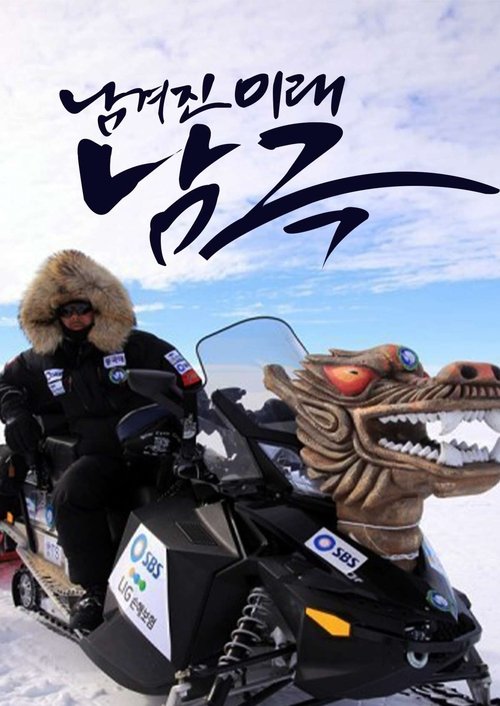
In the year 2011, a group of scientists and researchers embark on an expedition to Antarctica, aiming to study the effects of climate change and the potential for future human habitation. The team is composed of various specialists, including geologists, biologists, and climatologists, each with their own motivations for participating in the mission. As they arrive at the research station, the harsh and desolate landscape of Antarctica looms around them, creating an atmosphere of isolation and urgency.
As the team begins their work, they discover a series of unusual geological formations that suggest the presence of ancient life forms. This discovery ignites excitement among the researchers, particularly for the lead scientist, Dr. Kim, who is driven by a desire to make a groundbreaking scientific contribution. However, tensions arise within the group as differing opinions on the significance of the findings lead to heated debates. Some team members, like Dr. Lee, express concerns about the potential dangers of disturbing the ancient sites.
As the days pass, the team faces increasingly severe weather conditions, which begin to take a toll on their morale and physical well-being. The isolation of the Antarctic environment exacerbates existing conflicts, leading to a fracture within the group. Dr. Kim becomes more obsessed with the research, pushing the team to work longer hours despite the worsening conditions. This decision creates a rift, particularly with Dr. Lee, who advocates for a more cautious approach.
One night, a violent storm hits the research station, causing significant damage and cutting off communication with the outside world. The team is forced to confront their vulnerabilities as they struggle to repair the station and maintain their supplies. During this crisis, a critical decision is made by Dr. Kim to venture out into the storm to retrieve important equipment, despite the protests from Dr. Lee and others. This reckless choice leads to a near-fatal accident, resulting in injuries that further strain the group's dynamics.
As the team regains some stability, they make a shocking discovery: evidence of a previously unknown species that appears to have survived in the harsh conditions of Antarctica. This revelation reignites their scientific ambitions, but it also raises ethical questions about their right to interfere with this newfound ecosystem. Dr. Kim, driven by ambition, insists on further exploration, while Dr. Lee argues for a more ethical approach, leading to a significant confrontation between the two.
The internal conflict escalates when a member of the team, feeling the pressure of the situation, goes missing during an exploration. The group splits into two factions: one led by Dr. Kim, who wants to continue the research, and the other led by Dr. Lee, who prioritizes finding their missing colleague. This division creates a palpable tension, as both sides grapple with their priorities and the consequences of their choices.
As the search for the missing team member intensifies, the group uncovers a hidden cave system that contains more evidence of the ancient life forms. The discovery is both thrilling and terrifying, as they realize the potential implications of their findings. However, the cave also presents dangers, including unstable structures and the risk of further isolation. Dr. Kim's determination to explore the cave leads to a dangerous expedition, where the team faces physical challenges and the threat of collapse.
During the exploration, the team encounters remnants of the ancient species, which appear to be more complex than initially thought. This encounter forces the researchers to confront their motivations and the potential consequences of their actions. As they delve deeper into the cave, they experience a series of harrowing events, including cave-ins and encounters with the remnants of the ancient life forms, which heighten the stakes of their mission.
In a climactic moment, the team is faced with a choice: to continue their research at the risk of their safety or to abandon their findings and prioritize their survival. The decision is fraught with tension, as Dr. Kim's ambition clashes with Dr. Lee's caution. Ultimately, the group decides to retreat, realizing that their lives are more important than the pursuit of knowledge.
As they make their way back to the surface, the team reflects on their experiences and the lessons learned from their time in Antarctica. The journey back is fraught with challenges, including navigating the treacherous terrain and dealing with the emotional fallout of their decisions. The bonds between the team members are tested, but they ultimately emerge with a newfound understanding of the balance between scientific ambition and ethical responsibility.
The story concludes with the team returning to the research station, forever changed by their experiences. They face the reality of their findings and the implications for the future, leaving them to ponder the true cost of their expedition and the responsibilities that come with scientific discovery.








What is the ending?
In the ending of "남겨진 미래 남극," the main characters face the consequences of their choices as they confront the harsh realities of their situation in Antarctica. The story culminates in a poignant resolution where they must decide between survival and sacrifice, ultimately leading to a bittersweet conclusion that reflects their growth and the bonds they have formed.
As the final scenes unfold, the group of researchers and survivors, led by the determined and resilient character, grapple with dwindling resources and the relentless cold. They are faced with a critical decision: to stay together and risk their lives or to split up in hopes of finding help. Tensions rise as personal conflicts surface, revealing the deep-seated fears and desires of each character.
In a climactic moment, one character makes a selfless choice to stay behind, allowing the others a chance to escape. This act of bravery highlights the themes of sacrifice and the strength of human connection. The remaining characters, filled with a mix of hope and sorrow, embark on a treacherous journey, navigating the icy landscape in search of salvation.
As they traverse the unforgiving terrain, they reflect on their experiences, the relationships they have built, and the lessons learned. The emotional weight of their journey is palpable, as they confront their past mistakes and the uncertainty of their future.
In the final moments, the surviving characters reach a point of safety, but the cost of their journey is evident. They carry the memory of their lost companion with them, a reminder of the fragility of life and the importance of human connection in the face of adversity. The story concludes with a sense of hope, as they look towards the horizon, ready to face whatever comes next, forever changed by their experiences in the frozen wilderness.
In summary, the ending of "남겨진 미래 남극" encapsulates the essence of survival, sacrifice, and the enduring bonds of friendship, leaving a lasting impact on both the characters and the audience.
Is there a post-credit scene?
In the 2011 TV show "남겨진 미래 남극" (The Future of the Past), there is no post-credit scene. The series concludes its narrative without additional scenes after the credits, focusing instead on wrapping up the emotional arcs and storylines of the main characters within the final episode. The ending emphasizes the themes of hope and resilience, leaving viewers with a sense of closure regarding the characters' journeys and the challenges they faced in the harsh environment of Antarctica. The final moments are poignant, highlighting the bonds formed and the lessons learned throughout their experiences.
What role does the mysterious artifact play in the story?
The mysterious artifact discovered by the main character serves as a catalyst for the plot, revealing hidden truths about the past and the potential for future advancements. Its presence creates tension among the team as they grapple with the implications of its power and the ethical dilemmas it presents.
What are the key moments that lead to the climax of the series?
Key moments leading to the climax include the discovery of the artifact, escalating tensions within the team, and a series of life-threatening events that force the characters to confront their fears. These moments build suspense and lead to a critical decision that ultimately determines the fate of the characters and their mission.
What challenges does the main character face while trying to survive in Antarctica?
The main character, who is stranded in Antarctica, faces numerous challenges including extreme weather conditions, isolation, and the struggle to find food and shelter. The harsh environment tests their physical endurance and mental resilience, leading to moments of despair and determination.
How does the relationship between the main character and their team evolve throughout the series?
Initially, the main character's relationship with their team is strained due to the stress of their situation. However, as they face life-threatening challenges together, they begin to bond over shared experiences, leading to moments of camaraderie and emotional support that deepen their connections.
How does the main character's backstory influence their decisions in the series?
The main character's backstory, which includes personal loss and a drive for redemption, heavily influences their decisions throughout the series. Their past experiences shape their leadership style and their determination to protect their team, often leading to internal conflicts as they weigh personal desires against the needs of the group.
Is this family friendly?
"남겨진 미래 남극" (The Future of the Past) is a drama that explores themes of survival, family, and the human condition in a harsh environment. While the show is not explicitly designed for children, it does contain elements that may be considered objectionable or upsetting for younger viewers or sensitive individuals.
-
Survival Situations: The characters face extreme conditions in Antarctica, which can lead to intense moments of fear and desperation. Scenes depicting the struggle for survival may evoke anxiety.
-
Emotional Turmoil: Characters experience significant emotional distress, including grief, loss, and conflict. These moments can be heavy and may be difficult for younger audiences to process.
-
Isolation: The theme of isolation is prevalent, showcasing the psychological effects of being cut off from the outside world. This can be unsettling for viewers who are sensitive to themes of loneliness.
-
Conflict and Tension: There are scenes of interpersonal conflict that may include raised voices or confrontational dialogue, which could be distressing for some viewers.
-
Environmental Dangers: The harsh realities of the Antarctic environment, including extreme weather and potential accidents, are depicted, which may be frightening for children.
Overall, while the show contains valuable themes and lessons, its emotional depth and intense situations may not be suitable for all children or sensitive viewers.