

















Popular
What challenges does the character of Kitty face while working in the field hospital?
How does the relationship between Sister Joan and Captain Thomas Gillan evolve throughout the series?
What role does the character of Flora play in the dynamics of the field hospital?
What is the significance of the character of Lieutenant George in the story?
How does the series depict the impact of war on the soldiers treated at the hospital?
Should I watch it?
Ask Your Own Question

What is the plot?
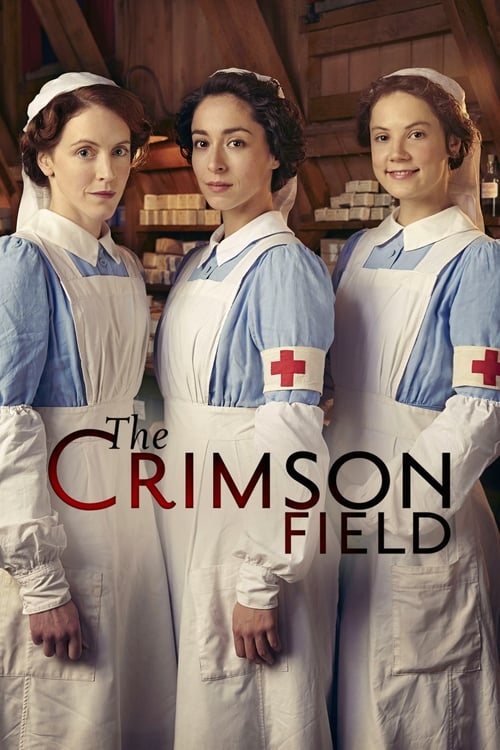
The story begins in 1914 during World War I, as the British Army sets up a field hospital in France. The narrative introduces the main characters, including the determined and compassionate nurse, Sister Joan Livesey, who is eager to help the wounded soldiers. She arrives at the hospital, which is chaotic and filled with the sounds of war. Joan is immediately confronted with the harsh realities of war as she witnesses the arrival of injured soldiers, some in critical condition.
Joan meets her fellow nurses, including the experienced and pragmatic Sister Margaret Quayle, who has a more cynical view of the war. The two women have contrasting approaches to their work, with Joan's idealism clashing with Margaret's realism. As they begin to work together, they face the overwhelming number of casualties and the emotional toll it takes on them. Joan's dedication to her patients is evident as she comforts a young soldier, while Margaret tries to maintain a sense of detachment.
As the days pass, the hospital becomes increasingly busy, and the nurses struggle to keep up with the influx of wounded men. Joan forms a bond with a soldier named Captain Thomas Gillan, who is brought in after being injured in battle. Their connection deepens as they share personal stories, and Joan finds herself drawn to him despite the grim circumstances. Meanwhile, Margaret reveals her own vulnerabilities, sharing her past and the reasons she became a nurse.
The narrative shifts to the arrival of a new doctor, Dr. Andrew "Andy" McLeod, who is idealistic and passionate about saving lives. He clashes with the more seasoned medical staff, including the head surgeon, who is more focused on efficiency than compassion. Joan is inspired by Andy's dedication, and they develop a mutual respect for each other. However, tensions rise as the doctors and nurses face difficult decisions regarding triage and the allocation of limited resources.
A pivotal moment occurs when a major offensive leads to a surge of casualties. The hospital is overwhelmed, and the staff must make harrowing choices about who to treat first. Joan is faced with the emotional weight of these decisions, particularly when a soldier she has grown close to is brought in critically injured. The atmosphere is tense, and the nurses work tirelessly, but the strain begins to take its toll on their mental health.
As the war continues, Joan learns that her brother is missing in action, which adds to her emotional burden. She struggles to maintain her composure while caring for the soldiers, and her grief begins to affect her work. Meanwhile, Margaret's tough exterior starts to crack as she confronts her own fears and regrets about the war. The two women find solace in each other, sharing their fears and hopes amidst the chaos.
The story takes a dramatic turn when a gas attack occurs, leading to a mass influx of patients suffering from gas poisoning. The nurses and doctors scramble to treat the victims, and the situation becomes increasingly desperate. Joan's bravery shines as she risks her own safety to help the soldiers, but the emotional toll of the event leaves her shaken. The hospital becomes a place of both heroism and despair, as the staff confront the brutal realities of war.
In the aftermath of the gas attack, the hospital staff must deal with the psychological impact of their experiences. Joan becomes more determined to make a difference, while Margaret grapples with her own trauma. The bond between the nurses deepens as they support each other through their shared experiences. Joan's relationship with Captain Gillan also evolves, as they navigate the complexities of love in wartime.
As the war drags on, the hospital faces further challenges, including shortages of supplies and personnel. The staff must adapt to the changing circumstances, and Joan takes on more responsibilities. She becomes a leader among the nurses, advocating for better care for the soldiers. However, the pressure begins to weigh heavily on her, and she struggles with feelings of inadequacy.
The climax of the story occurs when a major battle leads to a catastrophic number of casualties. The hospital is once again overwhelmed, and the staff must work around the clock to save lives. Joan faces a moral dilemma when she must choose between treating a high-ranking officer or a group of soldiers who are in dire need of care. Her decision reflects her growth as a character, as she prioritizes the needs of the many over the few.
In the final episodes, the war begins to take a toll on the characters' relationships. Joan's bond with Captain Gillan is tested as they confront the realities of their situation. Margaret faces her own demons, and the nurses must come to terms with the loss and trauma they have experienced. The emotional weight of their experiences culminates in a poignant moment of reflection, as they honor the soldiers who have sacrificed their lives.
The series concludes with the end of the war, leaving the characters to grapple with the aftermath of their experiences. Joan and Margaret, forever changed by their time in the field hospital, find a sense of closure as they look towards the future. The final scenes depict the lasting impact of war on their lives, highlighting the resilience of the human spirit amidst the horrors of conflict.
🔥 Trending TV Shows Now
Browse All TV Shows →







What is the ending?
In the ending of The Crimson Field, the characters face the harsh realities of war and personal sacrifice. The series concludes with the emotional fallout of their experiences, particularly for the main characters, as they grapple with loss, love, and the impact of their choices.
As the final episode unfolds, we see the aftermath of the war's toll on the characters. The hospital is still a place of chaos and suffering, but there are moments of connection and reflection. The fate of the main characters is revealed, showcasing their struggles and the paths they choose moving forward.
In a more detailed narrative, the final scenes begin with the hospital bustling with activity. The sound of distant artillery fire serves as a constant reminder of the war outside. The camera pans through the ward, capturing the weary faces of the nurses and the wounded soldiers. Among them is Sister Joan, who has been a steadfast presence throughout the series. She is seen tending to a soldier, her hands gentle yet firm, embodying her dedication to her work despite the emotional toll it takes on her.
As the episode progresses, we witness the emotional weight on the characters. Sister Joan receives news that her brother has been killed in action, a devastating blow that leaves her reeling. The camera captures her moment of solitude as she steps outside, the wind tousling her hair, her face a mixture of grief and determination. She reflects on her brother's sacrifice and the purpose of her own work, which now feels even more significant.
Meanwhile, the character of Captain Thomas is also grappling with his own demons. He is seen in a quiet moment, staring out at the horizon, contemplating the choices he has made and the lives he has impacted. His internal conflict is palpable, and the audience can sense his desire for redemption. He ultimately decides to stay at the hospital, choosing to continue serving those in need rather than returning to the front lines.
The narrative then shifts to the character of Dr. McLeod, who is faced with the reality of his own limitations. He has been a complex figure throughout the series, often torn between his professional duties and personal feelings. In the final scenes, he confronts his feelings for Sister Joan, acknowledging the bond they share but also the impossibility of a future together given the circumstances of war. Their final conversation is charged with unspoken words, a bittersweet farewell that leaves both characters changed.
As the episode draws to a close, the camera returns to Sister Joan, who finds solace in her work. She is seen comforting a young soldier, her compassion shining through the darkness of the war. The final shot lingers on her face, a mixture of sorrow and resolve, as she understands that her role as a nurse is not just about healing physical wounds but also about providing hope in a time of despair.
The series ends with a poignant reminder of the sacrifices made by those in wartime, the bonds formed in adversity, and the enduring strength of the human spirit. Each character's fate reflects their journey through the war, leaving the audience with a sense of both loss and resilience.
Is there a post-credit scene?
The Crimson Field, produced in 2014, does not have a post-credit scene. The series concludes with its final episode, wrapping up the storylines of the main characters without any additional scenes after the credits. The focus remains on the emotional and dramatic arcs of the characters throughout the series, particularly in the context of World War I and the challenges they face in a field hospital. The absence of a post-credit scene allows the audience to reflect on the poignant themes and character developments presented in the show.
What challenges does the character of Kitty face while working in the field hospital?
Kitty, portrayed by Oona Chaplin, faces numerous challenges while working in the field hospital. Initially, she struggles with the harsh realities of war, witnessing the physical and emotional trauma of the soldiers. Her determination to help is often tested by the overwhelming number of casualties and the limited resources available. Kitty also grapples with her own past and the loss of her fiancé, which adds to her emotional burden. As she develops relationships with other staff and soldiers, she must navigate the complexities of love and loyalty amidst the chaos of war.
How does the relationship between Sister Joan and Captain Thomas Gillan evolve throughout the series?
Sister Joan, played by Hermione Norris, and Captain Thomas Gillan, portrayed by Richard Rankin, share a complex relationship that evolves significantly over the course of the series. Initially, there is a mutual respect and attraction between them, but their differing views on duty and personal sacrifice create tension. As they face the horrors of war together, their bond deepens, leading to moments of vulnerability and connection. However, the pressures of their roles and the realities of the battlefield often pull them apart, forcing them to confront their feelings and the implications of their choices.
What role does the character of Flora play in the dynamics of the field hospital?
Flora, played by Claire Rushbrook, serves as a pivotal character in the dynamics of the field hospital. As a nurse, she embodies the spirit of resilience and compassion, often acting as a stabilizing force among the staff. Flora's interactions with other characters reveal her nurturing nature, but she also faces her own struggles, including the emotional toll of caring for wounded soldiers. Her relationships with Kitty and Sister Joan highlight the camaraderie and tension among the nurses, as they each cope with the demands of their roles in different ways. Flora's character ultimately represents the strength and vulnerability of women in wartime.
What is the significance of the character of Lieutenant George in the story?
Lieutenant George, portrayed by Paul Kaye, is a significant character whose presence adds depth to the narrative. He represents the psychological impact of war on soldiers, often struggling with his own trauma and the burden of leadership. His interactions with the medical staff, particularly Kitty, reveal his vulnerability and the complexities of masculinity in a wartime setting. George's character arc explores themes of guilt, responsibility, and the search for redemption, as he grapples with the consequences of his actions on the battlefield and the lives of those around him.
How does the series depict the impact of war on the soldiers treated at the hospital?
The series poignantly depicts the impact of war on the soldiers treated at the hospital through visceral and emotional storytelling. Each soldier's experience is unique, showcasing a range of physical injuries and psychological trauma. The medical staff, particularly the nurses and doctors, are portrayed as compassionate yet overwhelmed, striving to provide care amidst the chaos. The series highlights the soldiers' struggles with PTSD, the loss of comrades, and the harsh realities of their injuries, creating a powerful commentary on the human cost of war. The emotional weight of these experiences is felt deeply by both the characters and the audience, emphasizing the lasting scars of conflict.
Is this family friendly?
"The Crimson Field," produced in 2014, is set during World War I and deals with themes of war, loss, and the emotional toll of conflict. While it is a poignant and powerful drama, there are several aspects that may be considered objectionable or upsetting for children or sensitive viewers:
-
War Injuries: The show features graphic depictions of soldiers with severe injuries, including amputations and disfigurements, which can be distressing.
-
Death and Mourning: The series explores the impact of death on families and friends, showcasing scenes of grief and mourning that may be emotionally heavy.
-
Mental Health Issues: Characters experience trauma and psychological distress due to the horrors of war, which may be difficult for some viewers to process.
-
Violence: There are references to battles and violence, including the aftermath of combat, which can be intense and unsettling.
-
Emotional Turmoil: The characters grapple with complex emotions, including fear, despair, and hopelessness, which may resonate deeply with sensitive viewers.
-
Romantic Relationships: There are elements of romantic tension and heartbreak that may not be suitable for younger audiences.
Overall, while "The Crimson Field" is a compelling narrative about resilience and humanity in the face of war, its themes and content may not be appropriate for all viewers, particularly children or those who are sensitive to such topics.