

















Popular
What challenges does the character of Sister Joan face in the field hospital?
How does the relationship between the characters of Kitty and the doctor evolve throughout the season?
What role does the character of Dr. McNair play in the dynamics of the hospital staff?
How does the character of the soldier, Private Collins, impact the other characters in the hospital?
What is the significance of the character of the matron, and how does she influence the hospital environment?
Should I watch it?
Ask Your Own Question

What is the plot?
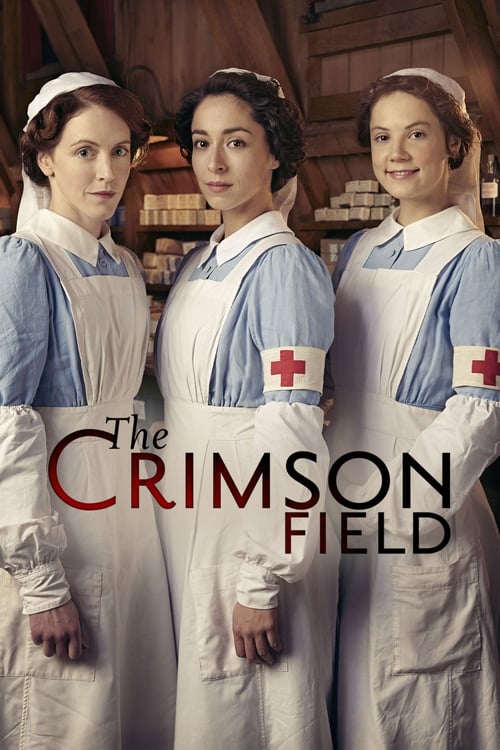
In the opening scenes of "The Crimson Field," we are introduced to a field hospital in France during World War I. The setting is chaotic, filled with the sounds of distant artillery and the cries of wounded soldiers. The main character, nurse Flora Marshall, arrives at the hospital, visibly anxious yet determined to help. She is greeted by the head nurse, Sister Joan Livesey, who is stern but caring. Flora quickly learns the harsh realities of war as she witnesses the arrival of injured soldiers, some in critical condition.
Flora meets other nurses, including the spirited and confident nurse, Kitty Trevelyan, who tries to lighten the mood despite the grim circumstances. The nurses are tasked with caring for the soldiers, and we see them working tirelessly, tending to wounds and providing comfort. Flora struggles with the emotional toll of the job, particularly when she encounters a soldier named Captain Thomas Gillan, who is gravely injured. Their interactions reveal a budding connection, but the weight of war looms over them.
As the days pass, the hospital becomes increasingly overwhelmed with casualties. Flora's compassion shines through as she forms bonds with the soldiers, including a young man named Edward, who is terrified and in pain. Flora's dedication to her work is tested when she faces the harsh realities of triage, having to make difficult decisions about who receives treatment first. This moment highlights the moral dilemmas faced by the medical staff in wartime.
The narrative takes a darker turn when a soldier, Private McNair, arrives with severe injuries. Flora and the other nurses work frantically to save him, but he ultimately succumbs to his wounds. This loss deeply affects Flora, who feels the weight of her inability to save him. The emotional strain begins to take a toll on her mental state, leading to moments of doubt about her role in the war.
Meanwhile, tensions rise between the nurses and the military hierarchy. Sister Joan clashes with the commanding officer, Major James, over the treatment of the soldiers and the lack of resources. Major James is portrayed as a pragmatic leader, focused on efficiency, while Sister Joan advocates for the humane treatment of the wounded. This conflict underscores the challenges faced by those in charge of the hospital.
Flora's relationship with Captain Gillan develops further as they share moments of vulnerability. He confides in her about his fears and the trauma of war, while Flora reveals her own struggles. Their connection deepens, but the specter of war continues to threaten their budding romance. The emotional stakes rise when Captain Gillan is ordered back to the front lines, leaving Flora heartbroken and uncertain about their future.
As the war rages on, the hospital faces a new crisis when a gas attack occurs, leading to an influx of patients suffering from gas exposure. The nurses scramble to provide care, and Flora's bravery shines as she helps to manage the chaos. The scene is intense, filled with the sounds of coughing and panic as the nurses work to stabilize the victims. Flora's quick thinking saves several lives, but the experience leaves her shaken.
In a pivotal moment, Flora discovers that she is pregnant, a revelation that complicates her feelings for Captain Gillan. She grapples with the implications of her pregnancy in the context of the war and her uncertain future. This internal conflict adds another layer to her character as she navigates her responsibilities as a nurse and her personal desires.
The season culminates in a dramatic confrontation when the hospital is bombed, leading to a mass evacuation of patients and staff. The chaos is palpable as the nurses work to save as many soldiers as possible while under fire. Flora's leadership emerges as she coordinates the evacuation, showcasing her growth throughout the season. The emotional weight of the situation is heavy, with moments of heroism and despair intermingling.
In the aftermath of the bombing, the surviving characters are left to pick up the pieces. Flora, now more resolute than ever, reflects on her experiences and the lives she has touched. The season ends on a note of uncertainty, with Flora contemplating her future and the ongoing war, leaving viewers with a sense of the enduring impact of conflict on those who serve.
🔥 Trending TV Shows Now
Browse All TV Shows →







What is the ending?
In the ending of "The Crimson Field," the characters face the harsh realities of war and personal loss. The episode culminates in a tragic event that deeply affects the main characters, leading to a sense of unresolved grief and the harshness of their circumstances.
As the episode unfolds, we see the aftermath of a significant battle. The field hospital is overwhelmed with casualties, and the emotional toll on the staff is palpable. The main characters, including the dedicated nurse, the conflicted doctor, and the brave soldiers, grapple with their roles in this brutal environment.
The climax occurs when a beloved character, who has been a source of strength and hope, is killed in action. This loss sends shockwaves through the hospital staff and the soldiers, highlighting the fragility of life in wartime. The nurse, who has been trying to maintain her composure and provide care, breaks down, revealing her vulnerability and the emotional burden she carries.
In the final scenes, the characters are left to confront their grief and the reality of their situation. The doctor, who has been struggling with his own demons, is forced to reckon with the consequences of his decisions. The nurse, now more aware of the cost of war, finds herself at a crossroads, contemplating her future in a world that feels increasingly bleak.
The episode closes with a somber tone, emphasizing the enduring impact of war on those who serve and care for the wounded. Each character is left to navigate their own path forward, marked by loss and the haunting memories of what they have experienced.
As the final episode of "The Crimson Field" unfolds, the atmosphere is heavy with tension and sorrow. The camera pans over the makeshift hospital, where the sounds of distant artillery fire echo ominously. The staff, weary and worn, move with a sense of urgency as they prepare for the influx of wounded soldiers.
Nurse Flora, portrayed with a fierce determination, is seen tending to a young soldier who has just arrived, his face pale and eyes wide with fear. She reassures him, her voice steady, but her own anxiety is evident in her eyes. The weight of her responsibilities is palpable; she is not just a caregiver but a beacon of hope in a place where hope is scarce.
Meanwhile, Dr. McNair, a conflicted figure battling his own inner turmoil, is seen pacing the corridors, grappling with the moral dilemmas of his profession. He is haunted by the decisions he must make, knowing that each choice could mean life or death for his patients. His internal struggle is mirrored in the frantic energy of the hospital, where every second counts.
As the day progresses, the hospital becomes inundated with casualties from a recent battle. The staff works tirelessly, but the sheer volume of wounded overwhelms them. The camera captures the chaos: nurses rushing to and fro, doctors shouting orders, and the cries of the injured filling the air. Flora, in particular, is shown pushing herself to the limit, her hands stained with blood as she tries to save as many lives as possible.
In a heart-wrenching moment, a beloved character, Lieutenant Thomas, is brought in, gravely injured. Flora's face falls as she realizes the extent of his wounds. She fights back tears as she works to stabilize him, her hands trembling slightly. The emotional connection between them is evident; he represents not just a patient but a friend and a symbol of the life she longs for beyond the war.
As the medical team works frantically, the tension builds. The audience can feel the stakes rising, knowing that time is running out. Despite their best efforts, Thomas succumbs to his injuries, and the news devastates Flora. She collapses against the wall, her composure shattered, as the reality of loss crashes over her like a wave. The camera lingers on her face, capturing the raw pain and helplessness she feels.
In the aftermath of Thomas's death, the mood in the hospital shifts dramatically. The staff, once filled with a sense of purpose, now grapples with grief and despair. Dr. McNair, who has been struggling with his own demons, is seen standing alone, his expression a mix of sorrow and guilt. He reflects on the choices he has made and the lives that have been lost under his care.
Flora, now more aware of the cost of war, faces a pivotal moment. She stands in the quiet of the hospital, surrounded by the remnants of the day's chaos. The camera captures her resolve as she contemplates her future. The war has changed her, and she must decide whether to continue in this role or seek a different path.
The episode concludes with a somber tone, the camera pulling back to show the hospital in the fading light. The sounds of the battlefield continue in the distance, a haunting reminder of the ongoing conflict. Each character is left to navigate their own path forward, marked by loss and the haunting memories of what they have experienced. The screen fades to black, leaving the audience with a lingering sense of the emotional toll of war and the resilience of those who endure it.
Is there a post-credit scene?
The Crimson Field does not feature a post-credit scene. The series concludes its episodes without any additional scenes after the credits roll. Each episode wraps up its narrative arcs and character developments within the main storyline, focusing on the experiences of the characters in a World War I field hospital. The emotional weight of the characters' journeys is fully explored within the episodes themselves, leaving no need for a post-credit scene to extend the narrative.
What challenges does the character of Sister Joan face in the field hospital?
Sister Joan, portrayed by Hermione Norris, faces numerous challenges in the field hospital, including the emotional toll of treating severely injured soldiers, the moral dilemmas of war, and the struggle to maintain her faith amidst the chaos. She is often torn between her duty as a nurse and her compassion for the soldiers, leading to moments of deep internal conflict.
How does the relationship between the characters of Kitty and the doctor evolve throughout the season?
Kitty, played by Oona Chaplin, initially has a complicated relationship with the doctor, Captain Thomas Gillan. As the season progresses, their interactions shift from professional to personal, revealing mutual attraction and emotional vulnerability. Kitty's desire for love and connection contrasts with the harsh realities of war, complicating their bond.
What role does the character of Dr. McNair play in the dynamics of the hospital staff?
Dr. McNair, portrayed by Adam James, serves as a pivotal figure in the hospital, often clashing with Sister Joan over medical ethics and the treatment of soldiers. His character embodies the tension between military authority and compassionate care, and his decisions impact the morale and dynamics among the staff, revealing the complexities of leadership in wartime.
How does the character of the soldier, Private Collins, impact the other characters in the hospital?
Private Collins, played by Alex Macqueen, becomes a focal point for the emotional struggles of the hospital staff. His injuries and the subsequent care he receives highlight the personal stories behind the war, affecting characters like Sister Joan and Kitty deeply. His presence serves as a reminder of the human cost of conflict, prompting reflections on duty, sacrifice, and the fragility of life.
What is the significance of the character of the matron, and how does she influence the hospital environment?
The matron, played by Claire Rushbrook, is a strict yet caring figure who oversees the hospital's operations. Her character represents the authority and structure within the chaotic environment of war. She influences the hospital's atmosphere by enforcing discipline while also showing moments of compassion, which helps to maintain a sense of order and morale among the staff and patients.
Is this family friendly?
"The Crimson Field" is set during World War I and deals with themes of war, loss, and the emotional toll it takes on individuals. While the show is not overtly graphic, it does contain several elements that may be considered objectionable or upsetting for children or sensitive viewers.
-
War Injuries: The series features scenes depicting soldiers with severe injuries, which may be distressing. The medical tent is often filled with wounded men, and the sight of blood and trauma is present.
-
Death and Mourning: Characters frequently confront death, both of soldiers and loved ones. The emotional weight of loss is a recurring theme, leading to scenes of grief and mourning.
-
Emotional Strain: The psychological impact of war on both soldiers and nurses is explored, including moments of despair, anxiety, and trauma, which may be heavy for younger audiences.
-
Conflict and Tension: There are instances of conflict between characters, including arguments and emotional confrontations that may be intense.
-
Historical Context: The backdrop of war may be difficult for some viewers to process, as it involves themes of sacrifice, duty, and the harsh realities of life during wartime.
Overall, while the show is not explicitly violent or graphic, its themes and emotional depth may not be suitable for all children or sensitive viewers.