
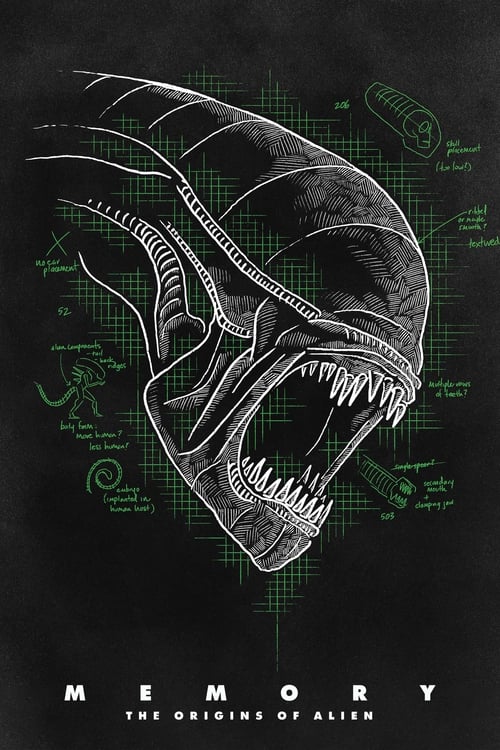















Popular
What inspired the creation of the Alien creature in the film?
How did Ridley Scott's vision shape the film's atmosphere?
What role did the character of Ellen Ripley play in the film's success?
How did the production team address the themes of fear and survival in the film?
What impact did the film's special effects have on its reception?
Should I watch it?
Ask Your Own Question

What is the plot?
Sorry, we aren't able to watch and write up a full detailed plot yet. Check back in a few days.
More Movies Like This
Browse All Movies →







What is the ending?
In the movie "Memory: The Origins of Alien," the ending focuses on the legacy of the film "Alien" and its impact on the characters involved in its creation. The documentary concludes by reflecting on the themes of fear, survival, and the human condition as portrayed in the film, emphasizing how these elements resonate with audiences even decades later.
As the film progresses towards its conclusion, it revisits key moments from the original "Alien" and the creative minds behind it. The documentary highlights the lasting influence of the film on the horror and science fiction genres, showcasing interviews with cast and crew members who share their personal experiences and emotional connections to the project. The ending serves as a tribute to the collaborative effort that brought "Alien" to life, celebrating the artistry and innovation that defined the film.
In the final scenes, the documentary emphasizes the enduring legacy of "Alien," illustrating how it has inspired generations of filmmakers and audiences alike. The film closes with a sense of reverence for the original work, leaving viewers with a profound appreciation for the complexities of memory, creativity, and the power of storytelling.
As the documentary "Memory: The Origins of Alien" approaches its conclusion, it begins to weave together the threads of the narrative that have been explored throughout. The screen transitions to a montage of iconic scenes from the original "Alien," interspersed with interviews from the cast and crew, who reflect on their experiences during the making of the film.
The first scene in this concluding segment features Ridley Scott, the director, discussing the initial concept of "Alien." He recalls the fear and tension that he aimed to evoke, emphasizing the importance of creating a sense of dread that would resonate with audiences. His passion for the project is palpable, as he describes the meticulous attention to detail that went into every aspect of the film's production.
Next, the documentary shifts to Sigourney Weaver, who played the iconic role of Ellen Ripley. She shares her emotional journey while portraying a character that defied traditional gender roles in cinema. Weaver reflects on the significance of Ripley as a strong female protagonist, expressing pride in being part of a film that challenged societal norms. Her words convey a deep connection to the character, highlighting the impact that "Alien" had on her career and the representation of women in film.
The narrative then transitions to a discussion of the film's groundbreaking special effects and creature design, featuring interviews with H.R. Giger, the artist behind the alien creature. Giger's unique vision and artistic style are celebrated, as the documentary showcases the intricate designs that brought the terrifying xenomorph to life. The emotional weight of Giger's work is evident, as he reflects on the fear and fascination that the creature embodies.
As the documentary nears its end, it revisits the themes of survival and the human condition that are central to "Alien." The filmmakers discuss how the film's portrayal of isolation and fear resonates with audiences on a personal level. The scenes of the crew aboard the Nostromo, facing the unknown and battling against an unstoppable force, serve as a metaphor for the struggles of humanity itself.
In the final moments, the documentary culminates in a powerful montage that juxtaposes scenes from "Alien" with the reflections of those who contributed to its creation. The screen fills with images of the cast and crew, their faces illuminated by the glow of the film's legacy. The emotional weight of their shared experiences is palpable, as they acknowledge the profound impact that "Alien" has had on their lives and careers.
The documentary concludes with a sense of reverence for the original film, celebrating its artistry and innovation. The final shot lingers on the iconic image of the xenomorph, a symbol of fear and creativity that continues to haunt and inspire. As the credits roll, viewers are left with a deep appreciation for the collaborative effort that brought "Alien" to life, and a recognition of the enduring power of storytelling in the face of fear and uncertainty.
Is there a post-credit scene?
"Memory: The Origins of Alien" does not have a post-credit scene. The film concludes after its exploration of the creative process behind the iconic "Alien" franchise, focusing on the influences, themes, and the impact of the original film. The documentary wraps up with reflections from various filmmakers, artists, and scholars, emphasizing the lasting legacy of "Alien" without any additional scenes or content following the credits.
What inspired the creation of the Alien creature in the film?
The film delves into the creative process behind the iconic Alien creature, exploring how H.R. Giger's surreal art and personal experiences influenced the design. It highlights Giger's fascination with biomechanical forms and his troubled past, which contributed to the creature's terrifying and otherworldly appearance.
How did Ridley Scott's vision shape the film's atmosphere?
Ridley Scott's directorial choices are examined, particularly his use of lighting, sound, and set design to create a sense of dread and isolation. The film discusses how Scott's background in advertising informed his visual storytelling, leading to the film's haunting and immersive atmosphere.
What role did the character of Ellen Ripley play in the film's success?
The documentary explores Sigourney Weaver's portrayal of Ellen Ripley, emphasizing her character's evolution from a supporting role to a strong female lead. It discusses how Ripley's resilience and complexity resonated with audiences, making her an iconic figure in science fiction.
How did the production team address the themes of fear and survival in the film?
The film examines how the production team crafted scenes that evoke fear and tension, particularly through the use of claustrophobic settings and the unpredictable nature of the Alien. It highlights the characters' struggles for survival and the psychological impact of their encounters with the creature.
What impact did the film's special effects have on its reception?
The documentary details the groundbreaking special effects techniques used in Alien, including practical effects and animatronics. It discusses how these innovations contributed to the film's realism and horror, setting a new standard for the genre and influencing future filmmakers.
Is this family friendly?
"Memory: The Origins of Alien" is a documentary that delves into the making of the iconic film "Alien" and explores its themes, influences, and impact on cinema. While it is not a traditional family film, it is primarily focused on the behind-the-scenes aspects of filmmaking and the creative process.
However, there are a few potentially objectionable or upsetting aspects that may not be suitable for children or sensitive viewers:
-
Graphic Imagery: The documentary includes clips from the original "Alien" film, which features intense and graphic scenes of horror and violence, including the iconic chestburster scene.
-
Themes of Fear and Anxiety: The film discusses the psychological themes present in "Alien," including fear, isolation, and existential dread, which may be unsettling for younger audiences.
-
Mature Language: There may be instances of strong language or adult themes discussed by the filmmakers and actors, which could be inappropriate for children.
-
Discussion of Trauma: The documentary touches on the personal experiences of the creators, including their struggles and traumas, which may be emotionally heavy for some viewers.
Overall, while "Memory: The Origins of Alien" is an insightful exploration of a classic film, it contains elements that may not be suitable for all audiences, particularly children or those sensitive to horror themes.







