






























Popular
What motivates Raimund Gregorius to leave his life in Switzerland and travel to Lisbon?
How does the character of Amadeu de Prado influence Raimund's journey?
What role does the character of Estefania play in the story?
What are the key events that lead to Raimund's transformation throughout the film?
How does the theme of memory play a role in the interactions between characters?
Should I watch it?
Ask Your Own Question

What is the plot?
Sorry, we aren't able to watch and write up a full detailed plot yet. Check back in a few days.









What is the ending?
In the ending of "Night Train to Lisbon," Raimund Gregorius, having followed the trail of the enigmatic author Amadeu de Prado, finds closure in his quest for understanding. He confronts the realities of his own life and the choices he has made. The film concludes with a sense of hope and renewal as he embraces the possibility of a new beginning, symbolized by his decision to stay in Lisbon and the connections he has formed.
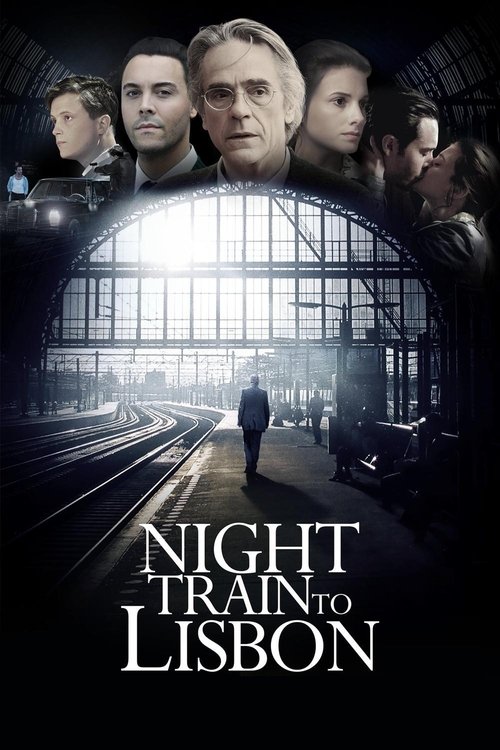
As the film draws to a close, we see Raimund Gregorius, played by Jeremy Irons, standing on the streets of Lisbon, reflecting on his journey. He has spent the film unraveling the life of Amadeu de Prado, a man whose writings and ideals have profoundly impacted him. The narrative shifts to a series of poignant moments that encapsulate the essence of his transformation.
Scene by scene, the ending unfolds:
Raimund stands at the train station, the bustling sounds of Lisbon surrounding him. He clutches the book that led him on this journey, a tangible connection to Amadeu. The camera captures his contemplative expression, revealing the weight of his discoveries. He has learned about love, sacrifice, and the complexities of human existence through Amadeu's life story.
In a flashback, we see Amadeu de Prado, portrayed by Jack Huston, in his youth, passionately discussing his beliefs with friends. These moments highlight the ideals that drove Amadeu, his commitment to justice, and the personal sacrifices he made. The contrast between Amadeu's fervent spirit and the quiet life of Raimund is stark, emphasizing Raimund's internal struggle.
Raimund visits the locations that were significant to Amadeu, including the café where he once gathered with fellow intellectuals. He meets with the people who knew Amadeu, including the strong-willed Marta, played by Mélanie Thierry, who shares her memories of him. Their conversations reveal the impact Amadeu had on those around him, and Raimund begins to see the parallels in their lives.
As he delves deeper into Amadeu's past, Raimund learns about the political turmoil in Portugal during the Salazar regime. The stakes of Amadeu's choices become clear, and Raimund grapples with the implications of standing up for one's beliefs. This realization ignites a fire within him, pushing him to confront his own complacency.
In a pivotal moment, Raimund attends a gathering where Amadeu's friends discuss their shared history and the sacrifices they made for their ideals. The emotional weight of their stories resonates with him, and he feels a sense of belonging among these passionate individuals. This connection propels him to make a decision about his own life.
The final scenes depict Raimund walking through the vibrant streets of Lisbon, a city alive with color and energy. He encounters a young girl who reminds him of the innocence and hope that life can offer. Their brief interaction symbolizes the potential for new beginnings and the importance of embracing life fully.
As the film concludes, Raimund stands at the edge of the Tagus River, gazing out at the water. The sun sets in the background, casting a warm glow over the scene. He reflects on his journey, the people he has met, and the lessons he has learned. The camera lingers on his face, capturing a mixture of resolve and peace.
In the final moments, Raimund makes the choice to stay in Lisbon, a decision that signifies his commitment to living authentically and pursuing a life filled with purpose. The film ends on a note of hope, suggesting that while the past may shape us, it is our choices in the present that define our future.
The fates of the main characters are intertwined with this theme of renewal. Raimund, having transformed through his journey, embraces a new chapter in his life. Amadeu's legacy lives on through the impact he had on those around him, inspiring Raimund to seek meaning and connection. Marta, who represents the strength of memory and love, continues to honor Amadeu's spirit, ensuring that his ideals are not forgotten. The film closes with a sense of continuity, highlighting the enduring power of human connection and the quest for understanding.
Is there a post-credit scene?
The movie "Night Train to Lisbon," produced in 2013, does not have a post-credit scene. The film concludes its narrative without any additional scenes or content after the credits roll. The story wraps up with the protagonist, Raimund Gregorius, reflecting on his journey and the impact of his experiences, leaving the audience with a sense of closure regarding his quest for meaning and connection.
What motivates Raimund Gregorius to leave his life in Switzerland and travel to Lisbon?
Raimund Gregorius, a Swiss professor, is motivated by a sudden encounter with a mysterious woman and the discovery of a book by a Portuguese author, Amadeu de Prado. This book, filled with profound reflections on life and identity, ignites a deep curiosity in him. Feeling trapped in his mundane existence, he is compelled to seek out the truth behind the author's life and the political turmoil of Portugal during the Salazar regime.
How does the character of Amadeu de Prado influence Raimund's journey?
Amadeu de Prado, though deceased, serves as a guiding figure for Raimund throughout his journey. As Raimund delves into Amadeu's past, he learns about the struggles and sacrifices Amadeu made for his beliefs. This exploration not only reveals the complexities of Amadeu's character but also inspires Raimund to confront his own life choices, pushing him to seek authenticity and purpose.
What role does the character of Estefania play in the story?
Estefania is a significant figure in Amadeu de Prado's life, representing love and loss. Through her relationship with Amadeu, Raimund learns about the emotional depth and personal sacrifices that define human connections. Estefania's presence in the narrative highlights the impact of personal relationships on one's identity and choices, further motivating Raimund to understand the intricacies of love and commitment.
What are the key events that lead to Raimund's transformation throughout the film?
Raimund's transformation is marked by several key events: his impulsive decision to leave Switzerland, his encounters with various characters in Lisbon who share their stories about Amadeu, and his gradual understanding of the political and personal struggles faced by those in Portugal. Each interaction deepens his introspection, leading him to confront his own fears and desires, ultimately resulting in a profound change in his outlook on life.
How does the theme of memory play a role in the interactions between characters?
Memory is a central theme that shapes the interactions between characters, particularly in how they recount their pasts. As Raimund interviews people connected to Amadeu, their memories reveal the complexities of their experiences during a tumultuous time in history. These recollections not only provide insight into Amadeu's character but also reflect Raimund's own journey of self-discovery, as he grapples with his memories and the choices that have led him to this point.
Is this family friendly?
"Night Train to Lisbon" is a film that explores themes of identity, loss, and the impact of history, which may not be suitable for younger audiences or sensitive viewers. Here are some potentially objectionable or upsetting aspects:
-
Death and Loss: The film deals with themes of mortality, including the death of characters and the emotional aftermath, which may be distressing for some viewers.
-
Political Oppression: There are references to political turmoil and oppression, including discussions of torture and imprisonment, which could be unsettling.
-
Emotional Turmoil: Characters experience significant emotional struggles, including existential crises and reflections on regret, which may be heavy for younger audiences.
-
Mature Themes: The narrative includes complex adult themes such as betrayal, love, and the consequences of past actions, which may be difficult for children to fully understand.
-
Violence: While not graphic, there are implications of violence related to the political context, which may be disturbing.
Overall, the film's mature themes and emotional depth suggest it may be more appropriate for older teens and adults rather than children.






