





Popular
What methods do the filmmakers use to raise awareness about endangered species in Racing Extinction?
How does the film depict the impact of climate change on marine life?
What role does the character Louie Psihoyos play in the film?
What specific endangered species are highlighted in Racing Extinction?
How does the film address the issue of the illegal wildlife trade?
Should I watch it?
Ask Your Own Question

What is the plot?
Sorry, we aren't able to watch and write up a full detailed plot yet. Check back in a few days.
More Movies Like This
Browse All Movies →






What is the ending?
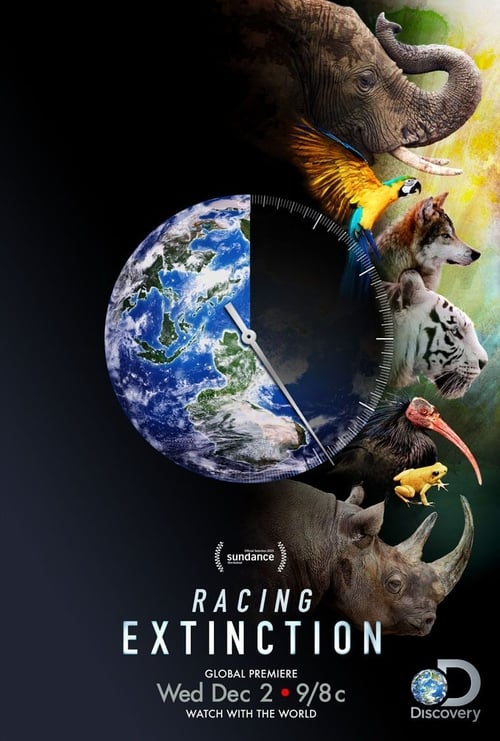
At the end of "Racing Extinction," the filmmakers reveal the impact of human actions on the planet and the urgency of conservation efforts. The documentary concludes with a powerful message about the need for change to prevent further extinction of species.
As the film approaches its conclusion, the narrative shifts to a series of impactful scenes that emphasize the urgency of the environmental crisis. The filmmakers, led by Louie Psihoyos, have been documenting the plight of endangered species and the effects of climate change throughout the film. In the final act, they unveil a dramatic and visually striking sequence that showcases the beauty of the natural world juxtaposed with the stark reality of its decline.
The team organizes a large-scale projection event in New York City, where they project images of endangered species onto iconic buildings, including the Empire State Building. This event is designed to raise awareness and provoke a sense of urgency among the public regarding the ongoing extinction crisis. As the images of majestic animals and the stark statistics of extinction flash across the buildings, the emotional weight of the moment is palpable. The filmmakers hope to inspire action and change in the hearts of those who witness the spectacle.
In the final scenes, the film emphasizes the personal stakes for the main characters involved in the project. Louie Psihoyos, the director, is driven by a deep passion for wildlife conservation and a desire to leave a better world for future generations. His commitment is evident as he reflects on the importance of the work they have done and the need for continued advocacy.
The film closes with a montage of various endangered species, reminding viewers of the beauty and diversity of life on Earth. The fate of the main characters is intertwined with the message of the film; while they may not have solved the crisis, their efforts have sparked conversations and inspired others to take action. The film ends on a note of hope, suggesting that change is possible if individuals come together to protect the planet.
In summary, the ending of "Racing Extinction" serves as a call to action, highlighting the importance of awareness and the collective responsibility to combat the ongoing threat of extinction. The main characters, particularly Louie Psihoyos, remain committed to their cause, emphasizing that the fight for conservation is far from over.
Is there a post-credit scene?
The movie "Racing Extinction," produced in 2015, does not have a post-credit scene. The film concludes with a powerful message about the urgency of addressing the ongoing extinction crisis and the need for collective action to protect the planet's biodiversity. The final moments emphasize the importance of awareness and activism, leaving viewers with a sense of responsibility and hope for the future.
What methods do the filmmakers use to raise awareness about endangered species in Racing Extinction?
The filmmakers employ a variety of methods to raise awareness about endangered species, including undercover investigations, stunning visuals of wildlife, and the use of technology such as drones to capture footage of endangered animals in their natural habitats. They also highlight the illegal wildlife trade and its devastating impact on species like the pangolin and the vaquita.
How does the film depict the impact of climate change on marine life?
Racing Extinction illustrates the impact of climate change on marine life through powerful imagery of coral bleaching and the decline of fish populations. The film showcases underwater footage that reveals the stark changes in ocean ecosystems, emphasizing the urgency of addressing climate change to protect marine biodiversity.
What role does the character Louie Psihoyos play in the film?
Louie Psihoyos serves as the director and a central figure in Racing Extinction. His passion for wildlife conservation drives the narrative, as he leads a team of activists and scientists to expose the threats facing endangered species. His emotional investment in the cause is evident as he navigates the challenges of raising awareness and confronting powerful industries.
What specific endangered species are highlighted in Racing Extinction?
The film highlights several endangered species, including the pangolin, which is the most trafficked mammal in the world, and the vaquita, a small porpoise on the brink of extinction. The filmmakers provide poignant stories about these animals, showcasing their plight and the urgent need for conservation efforts.
How does the film address the issue of the illegal wildlife trade?
Racing Extinction addresses the illegal wildlife trade by exposing the dark underbelly of poaching and trafficking. The filmmakers conduct undercover investigations to reveal the brutal realities faced by animals like elephants and rhinos, whose tusks and horns are highly sought after. This shocking footage serves to educate viewers about the consequences of consumer demand for wildlife products.
Is this family friendly?
"Racing Extinction," produced in 2015, is a documentary that addresses serious environmental issues, particularly the threat of extinction facing various species due to human activities. While it aims to raise awareness and inspire action, there are several aspects that may be objectionable or upsetting for children or sensitive viewers:
-
Graphic Imagery: The film includes scenes of animal suffering and death, showcasing the impact of poaching and habitat destruction. This can be distressing for younger viewers.
-
Environmental Destruction: Visuals of pollution, deforestation, and the effects of climate change may evoke feelings of sadness or anxiety about the state of the planet.
-
Emotional Testimonies: Interviews with activists and scientists discussing the loss of species and the emotional weight of their work can be heavy and may resonate deeply with sensitive audiences.
-
Confrontational Scenes: There are moments where the filmmakers confront individuals involved in illegal wildlife trade, which can be tense and uncomfortable.
-
Themes of Extinction: The overarching theme of species extinction can be a heavy topic, potentially leading to feelings of hopelessness or despair.
Overall, while the film carries an important message, its content may not be suitable for all children or sensitive viewers due to its serious themes and emotional weight.







