
















Popular
What role does the setting of Montana play in the story?
What traumatic event happens to Grace that leads to her needing help from a horse whisperer?
How does Annie MacLean's character evolve throughout the film?
What is the significance of the relationship between Tom Booker and the horse Pilgrim?
How does Grace's relationship with her mother, Annie, change throughout the film?
Should I watch it?
Ask Your Own Question

What is the plot?
Sorry, we aren't able to watch and write up a full detailed plot yet. Check back in a few days.






What is the ending?
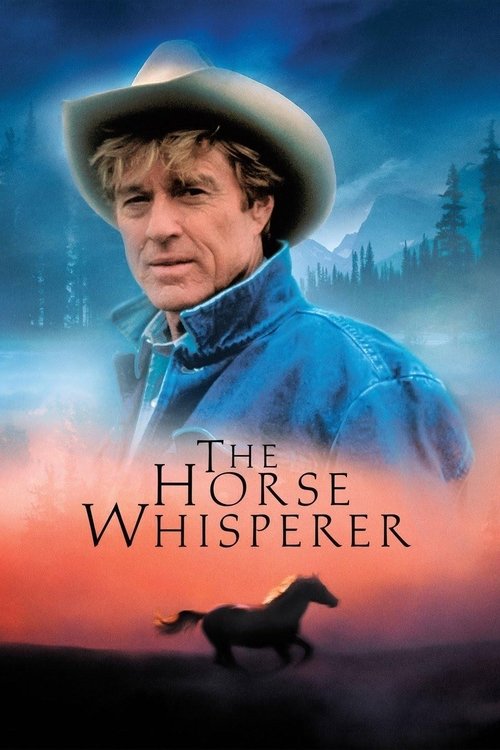
In the ending of "The Horse Whisperer," Tom Booker successfully helps both the horse, Pilgrim, and the young girl, Grace, heal from their traumatic experiences. Grace returns to her family, and the bond between her and her mother, Annie, strengthens. Tom, having fulfilled his purpose, rides off into the distance, leaving behind a lasting impact on their lives.
As the film approaches its conclusion, the narrative unfolds with a series of poignant scenes that encapsulate the emotional journeys of the characters.
The first scene of the ending begins with Grace, who has been through a harrowing experience after the accident that left her physically and emotionally scarred. She stands in the barn, her eyes filled with a mix of hope and uncertainty as she prepares to ride Pilgrim, the horse that has also suffered trauma. Tom Booker, the horse whisperer, stands nearby, offering her encouragement. His calm demeanor and understanding presence provide Grace with the reassurance she desperately needs.
Next, we see Grace mount Pilgrim, her hands trembling slightly as she grips the reins. The tension in the air is palpable; both horse and rider are on the brink of a breakthrough. As they begin to move, the camera captures the beauty of the surrounding landscape, emphasizing the connection between nature, healing, and the bond that is forming between Grace and Pilgrim. Tom watches intently, his eyes reflecting a deep understanding of the struggles they both face.
In the following scene, we witness a montage of Grace and Pilgrim working together under Tom's guidance. Each session reveals their growing trust and connection. Grace's confidence blossoms as she learns to communicate with Pilgrim, and the horse begins to respond positively to her touch. The emotional weight of their journey is evident; both are overcoming their past traumas, and the audience can feel the tension slowly dissipating.
As the climax approaches, the film shifts back to Annie, Grace's mother, who has been grappling with her own emotional turmoil throughout the story. She has witnessed the transformation of her daughter and the horse, and it stirs a sense of hope within her. In a pivotal moment, Annie confronts her own feelings of loss and guilt, realizing that she must let go of the past to embrace the future. This realization is beautifully captured in a scene where she stands on a hill overlooking the valley, the wind gently blowing through her hair, symbolizing her acceptance and readiness to move forward.
The final scenes bring the characters together in a moment of catharsis. Grace, now more confident and healed, rides Pilgrim with a sense of freedom and joy. Tom watches from a distance, a proud smile on his face, knowing that he has played a crucial role in their healing journey. The bond between mother and daughter is rekindled as they share a heartfelt embrace, their relationship strengthened by the trials they have faced together.
In the closing moments, Tom mounts his horse and rides away into the sunset, a solitary figure against the vast landscape. His departure signifies the completion of his mission, leaving behind a legacy of healing and hope. The camera lingers on Grace and Annie, who stand together, watching Tom ride off. Their faces reflect a mixture of gratitude and newfound strength, symbolizing their readiness to face the future together.
As the credits roll, the fates of the main characters are clear: Grace has found her voice and confidence, Annie has embraced her role as a supportive mother, and Tom has fulfilled his purpose as a healer, leaving a lasting impact on their lives. The film concludes with a sense of closure, highlighting the themes of healing, connection, and the enduring bond between humans and animals.
Is there a post-credit scene?
The movie "The Horse Whisperer," produced in 1998, does not have a post-credit scene. The film concludes with a poignant ending that wraps up the main narrative without any additional scenes after the credits. The story focuses on the emotional journey of the characters, particularly the bond between the horse, Pilgrim, and the horse whisperer, Tom Booker, as well as the healing process for both the horse and the young girl, Grace, who has been traumatized by a tragic accident. The film ends on a reflective note, emphasizing themes of healing, connection, and the complexities of love and loss.
What role does the setting of Montana play in the story?
The vast, beautiful landscapes of Montana serve as a backdrop for the emotional and physical healing that takes place in the film. The open spaces and natural beauty contrast with the characters' inner turmoil, providing a sense of freedom and possibility as they confront their pasts and seek redemption.
What traumatic event happens to Grace that leads to her needing help from a horse whisperer?
Grace, a young girl, is involved in a horrific riding accident while on a trail ride with her friend. The accident results in the death of her friend and leaves Grace with severe physical injuries, including a broken leg and emotional trauma.
How does Annie MacLean's character evolve throughout the film?
Annie MacLean, played by Kristin Scott Thomas, begins as a dedicated mother and a successful New York City magazine editor. As the story progresses, she grapples with her daughter's trauma and her own emotional struggles, leading her to seek help from Tom Booker, the horse whisperer. Her journey reflects her growing understanding of love, loss, and the complexities of her relationships.
What is the significance of the relationship between Tom Booker and the horse Pilgrim?
Tom Booker, portrayed by Robert Redford, forms a deep bond with Pilgrim, a troubled horse that mirrors Grace's own struggles. Tom's ability to connect with Pilgrim symbolizes his unique talent as a horse whisperer, and through their relationship, he demonstrates the healing power of trust and understanding, which ultimately extends to Grace.
How does Grace's relationship with her mother, Annie, change throughout the film?
Initially, Grace feels a sense of disconnect from her mother, Annie, due to the trauma of the accident and Annie's own struggles to cope. As they both work through their pain, their relationship evolves into one of deeper understanding and support, highlighting the bond between mother and daughter as they navigate their healing journeys together.
Is this family friendly?
"The Horse Whisperer," produced in 1998, is generally considered suitable for older children and families, but it does contain some potentially objectionable or upsetting scenes that may affect younger viewers or sensitive individuals. Here are some aspects to consider:
-
Accident Scene: The film opens with a traumatic horse-riding accident that results in serious injury to a young girl. This scene is intense and may be distressing for children.
-
Injury and Trauma: The aftermath of the accident includes graphic depictions of physical and emotional trauma, particularly concerning the girl and the horse involved.
-
Emotional Struggles: Characters experience deep emotional pain, including grief, guilt, and depression, which may be heavy themes for younger audiences to process.
-
Family Conflict: There are moments of tension and conflict within the family, including arguments and emotional breakdowns, which may be unsettling.
-
Themes of Loss: The film explores themes of loss and healing, which can be poignant and may evoke strong emotions.
-
Mature Relationships: There are elements of romantic tension and complex adult relationships that may not be suitable for younger viewers.
Overall, while the film carries a message of healing and redemption, the emotional weight and some scenes may require parental guidance for younger audiences.







