
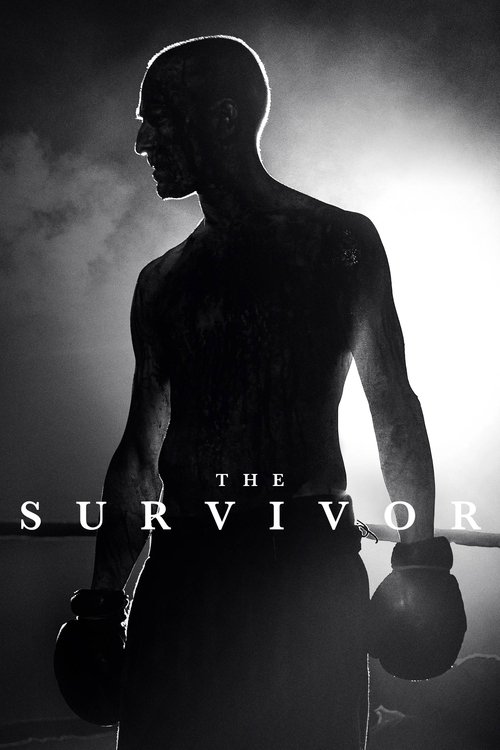































Popular
What traumatic experiences does the main character, Harry Haft, endure during his time in the concentration camp?
How does Harry Haft's boxing career develop after he leaves the concentration camp?
What is the significance of Harry's relationship with his love interest, Miriam?
How does the film portray the impact of trauma on Harry Haft's mental health?
What role does the character of the boxing promoter play in Harry's journey?
Should I watch it?
Ask Your Own Question

What is the plot?
Sorry, we aren't able to watch and write up a full detailed plot yet. Check back in a few days.





What is the ending?
In the ending of "The Survivor," Harry Haft confronts his past and the trauma of his experiences in the concentration camp. He ultimately finds a sense of closure through his boxing career and the relationships he has built. The film concludes with Harry's recognition of his survival as a testament to resilience, and he embraces his identity, reflecting on the lives lost and the hope for the future.
As the film approaches its conclusion, we see Harry Haft, portrayed by Ben Foster, grappling with the weight of his memories and the scars left by his harrowing experiences during the Holocaust. The narrative unfolds in a series of poignant scenes that encapsulate his journey toward healing and acceptance.
Scene 1: The Boxing Ring The final boxing match takes place in a dimly lit arena, the atmosphere thick with tension. Harry steps into the ring, his body a canvas of bruises and scars, each mark a reminder of his past. As he faces his opponent, the crowd roars, but Harry's mind drifts back to the horrors he endured in the concentration camp. The fight is not just a physical battle; it is a confrontation with his own demons. He recalls the faces of those he lost, particularly the love of his life, Miriam, who haunts his thoughts. The emotional weight of his memories fuels his determination, and he fights not just for victory but for redemption.
Scene 2: The Aftermath of the Fight After a grueling match, Harry emerges victorious, but the triumph feels hollow. He stands in the center of the ring, the cheers of the crowd fading into the background as he grapples with the reality of his survival. The camera captures the conflict in his eyes--pride mixed with sorrow. He knows that while he has won the fight, the battle against his past is far from over. The scene shifts to Harry leaving the arena, the bright lights contrasting with the darkness of his memories.
Scene 3: A Visit to the Past In a reflective moment, Harry visits the site of the concentration camp where he endured unimaginable suffering. The landscape is stark and haunting, a reminder of the lives lost and the atrocities committed. As he walks through the remnants of the camp, he is overwhelmed by a flood of emotions--grief, anger, and a profound sense of loss. He kneels at a makeshift memorial, whispering the names of those who perished, including Miriam. This act of remembrance is cathartic, allowing him to confront his guilt and acknowledge the pain that has shaped him.
Scene 4: Reconnecting with Family The narrative then shifts to Harry's relationship with his family. He returns home to his son, who has been a source of strength and motivation throughout his journey. Their reunion is filled with unspoken words, a mixture of joy and sorrow. Harry embraces his son tightly, realizing that his survival is not just for himself but for the future generations. This moment signifies a turning point; he begins to understand that he can honor the memory of those he lost by living fully and embracing life.
Scene 5: The Final Reflection In the closing scenes, Harry stands on a beach, the waves crashing against the shore. He reflects on his life, the choices he made, and the people he loved. The sun sets on the horizon, casting a warm glow that symbolizes hope and renewal. Harry's expression is one of peace as he finally accepts his identity as a survivor. The film ends with a poignant reminder of resilience, the importance of memory, and the enduring spirit of those who faced unimaginable adversity.
As the credits roll, viewers are left with a sense of closure for Harry Haft, who has transformed his pain into a narrative of survival and strength. The fates of the main characters are intertwined with Harry's journey; while many of his loved ones did not survive, their memories live on through him, shaping his path toward healing and acceptance.
Is there a post-credit scene?
In the movie "The Survivor" (2022), there is no post-credit scene. The film concludes its narrative without any additional scenes after the credits roll. The story wraps up with a poignant reflection on the main character's journey and the emotional weight of his experiences, leaving the audience with a sense of closure regarding his struggles and triumphs. The absence of a post-credit scene emphasizes the film's focus on the themes of survival, trauma, and resilience, allowing viewers to fully absorb the impact of the story as it stands.
What traumatic experiences does the main character, Harry Haft, endure during his time in the concentration camp?
Harry Haft, portrayed by Ben Foster, endures harrowing experiences in the concentration camp, including being forced to fight other prisoners in brutal boxing matches for the entertainment of the guards. These fights are not only physically grueling but also psychologically tormenting, as he must grapple with the moral implications of fighting for survival against his fellow inmates. The trauma of witnessing death and violence around him deeply affects his psyche, leading to a complex relationship with his past.
How does Harry Haft's boxing career develop after he leaves the concentration camp?
After surviving the concentration camp, Harry Haft attempts to rebuild his life by pursuing a career in boxing. He trains rigorously, driven by the hope of finding his lost love, Miriam. His boxing matches become a means of coping with his trauma, but they also serve as a reminder of the violence he endured. As he rises through the ranks, he struggles with the memories of his past, which haunt him during his fights, creating a tension between his desire for success and the ghosts of his experiences.
What is the significance of Harry's relationship with his love interest, Miriam?
Miriam represents hope and the possibility of a future for Harry Haft. Their relationship is rooted in a shared past before the war, and Harry's memories of her provide him with motivation to survive the horrors of the concentration camp. As he navigates his post-war life, his longing for Miriam becomes a driving force, influencing his decisions and emotional state. The depth of their connection is highlighted through flashbacks, showcasing the innocence and love they shared, which starkly contrasts with the brutality he faces.
How does the film portray the impact of trauma on Harry Haft's mental health?
The film delves deeply into Harry Haft's mental health struggles as a result of his traumatic experiences. He exhibits signs of PTSD, including flashbacks and emotional detachment. The weight of his past manifests in his relationships, particularly with his family and romantic interests, as he grapples with feelings of guilt and shame. The narrative illustrates his internal conflict, showcasing moments of vulnerability where he confronts his memories, revealing the profound impact of his experiences on his identity and sense of self.
What role does the character of the boxing promoter play in Harry's journey?
The boxing promoter, played by Peter Sarsgaard, serves as a pivotal figure in Harry's post-war life. He recognizes Harry's potential as a boxer and offers him opportunities to fight, but his motivations are often self-serving. This relationship highlights the exploitation of Harry's trauma for profit, as the promoter is more interested in the spectacle of Harry's fights than in his well-being. This dynamic adds complexity to Harry's journey, as he must navigate the fine line between using boxing as a means of survival and being manipulated by those around him.
Is this family friendly?
"The Survivor," produced in 2022, is not considered family-friendly due to its intense and mature themes. The film deals with the aftermath of the Holocaust and the psychological trauma experienced by survivors.
Potentially objectionable or upsetting aspects include:
-
Graphic Depictions of Violence: There are scenes that portray the brutality of war and the Holocaust, which may be distressing for younger viewers or sensitive individuals.
-
Emotional Trauma: The film explores deep emotional pain, loss, and the struggle to cope with past horrors, which can be heavy and unsettling.
-
Themes of Death and Loss: The narrative includes significant themes surrounding death, loss of loved ones, and the impact of grief, which may be difficult for children to process.
-
Confrontation with Historical Atrocities: The film addresses historical events that involve suffering and inhumanity, which can be disturbing.
-
Intense Emotional Scenes: Characters experience profound despair and moments of intense emotional conflict that may be overwhelming.
Overall, the film's serious subject matter and emotional weight make it more suitable for mature audiences.









