



























Popular
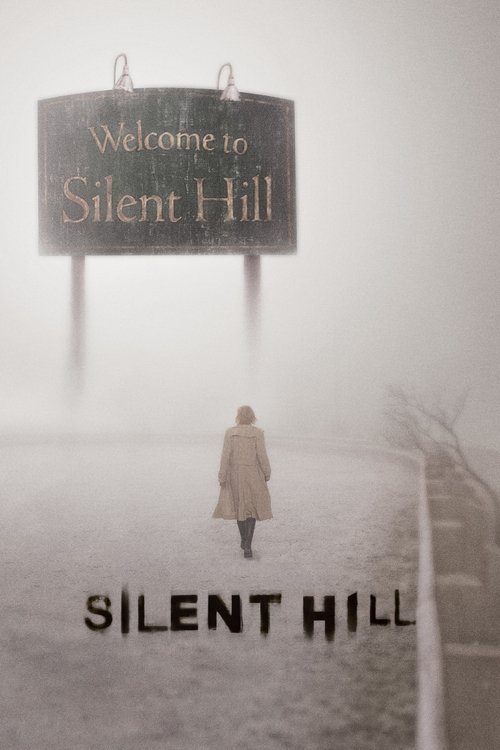
What is the significance of the character Alessa in Silent Hill?
How does Rose's journey in Silent Hill reflect her relationship with her daughter, Sharon?
What role does the cult play in the events of Silent Hill?
What is the significance of the fog and darkness in Silent Hill?
How does the character of Pyramid Head relate to the themes of punishment and guilt in Silent Hill?
Should I watch it?
Ask Your Own Question

What is the plot?
Sorry, we aren't able to watch and write up a full detailed plot yet. Check back in a few days.





What is the ending?
In the ending of Silent Hill (2006), Rose and Sharon confront the dark forces of the town. After a harrowing journey through the fog and the terrifying creatures that inhabit Silent Hill, they reach the church where they believe they can find safety. However, the truth about Sharon's identity and the connection to the cult is revealed. Rose sacrifices herself to save Sharon, and the film concludes with a haunting ambiguity as they find themselves trapped in a perpetual fog, unable to escape the town's grasp.
As the climax of Silent Hill unfolds, Rose Da Silva, played by Radha Mitchell, finds herself in the eerie church, a place that serves as a focal point for the cult's dark rituals. The atmosphere is thick with tension, the air heavy with the scent of decay and the weight of the town's sinister history. Rose is desperate to protect her adopted daughter, Sharon, who has been plagued by nightmares and visions of the town.
Inside the church, Rose encounters the cult leader, Christabella, portrayed by Deborah Kara Unger. Christabella, with her piercing gaze and fervent zeal, embodies the twisted beliefs of the cult that seeks to purify the town through fire and sacrifice. The confrontation is charged with emotion as Rose pleads for her daughter's safety, revealing her determination and maternal instinct. The cult believes Sharon is the reincarnation of a girl named Alessa, who suffered greatly at their hands.
As the tension escalates, the church is invaded by the monstrous creatures of Silent Hill, manifestations of the town's dark past. The air is filled with the sounds of chaos as the cultists and the creatures clash. Rose fights her way through, driven by love and desperation, her heart racing as she navigates the horrors surrounding her.
In a pivotal moment, Rose learns the truth about Alessa's tragic fate and the cult's role in her suffering. Alessa, who was burned alive by the cult as a witch, has left a part of herself within Sharon. This revelation deepens Rose's resolve to protect her daughter at all costs.
In a heart-wrenching decision, Rose realizes that to save Sharon, she must confront the darkness of Silent Hill head-on. She sacrifices herself, allowing the town to claim her while ensuring Sharon's escape. The emotional weight of this moment is palpable, as Rose's love transcends the physical realm, embodying the ultimate act of a mother's love.
As the film draws to a close, the scene shifts to a fog-laden landscape, where Rose and Sharon find themselves trapped in a liminal space, a haunting reflection of their unresolved fates. The fog envelops them, symbolizing the inescapable grip of Silent Hill. The final moments are filled with a sense of dread and uncertainty, leaving viewers with lingering questions about the nature of their existence and the true cost of their journey.
The fate of the main characters is sealed in this ambiguous ending. Rose, having sacrificed herself, becomes a part of the town's dark legacy, while Sharon, now alone, is left to navigate the haunting memories of her past. The film concludes with a chilling sense of entrapment, as both characters remain bound to the horrors of Silent Hill, forever altered by their experiences.
Is there a post-credit scene?
The movie "Silent Hill," produced in 2006, does not have a post-credit scene. After the credits roll, the film concludes without any additional scenes or content. The story ends with Rose Da Silva and her daughter Sharon trapped in the foggy, haunting world of Silent Hill, leaving viewers with a sense of ambiguity and unresolved tension regarding their fate. The absence of a post-credit scene reinforces the film's eerie atmosphere and the lingering mysteries of the town.
What is the significance of the character Alessa in Silent Hill?
Alessa is a central figure in Silent Hill, representing the town's dark past and the source of its horrors. She is a young girl who suffers immense pain and trauma, which manifests in the form of the town's nightmarish creatures and the fog that envelops it. Her connection to the cult and her tragic fate drive the narrative, as her desire for revenge against those who wronged her leads to the creation of the terrifying world that Rose encounters.
How does Rose's journey in Silent Hill reflect her relationship with her daughter, Sharon?
Rose's journey is deeply intertwined with her relationship with Sharon, who is plagued by nightmares and a mysterious connection to Silent Hill. Rose's determination to find Sharon, who has gone missing, showcases her maternal instincts and desperation. As she navigates the horrors of Silent Hill, her emotional state fluctuates between fear, determination, and guilt, reflecting her struggle to protect her daughter and uncover the truth behind their connection to the town.
What role does the cult play in the events of Silent Hill?
The cult in Silent Hill, known as the Order, plays a pivotal role in the town's dark history and the events that unfold. They are responsible for the persecution of Alessa, believing her to be a vessel for their twisted beliefs. Their rituals and desire for power contribute to the town's supernatural elements, as they seek to control Alessa's powers. The cult's influence is felt throughout the film, as they embody the themes of fanaticism and the consequences of blind faith.
What is the significance of the fog and darkness in Silent Hill?
The fog and darkness in Silent Hill serve as both a physical barrier and a psychological manifestation of the characters' fears and traumas. The fog obscures visibility, creating a sense of disorientation and dread, while the darkness reveals the town's horrific past and the monsters that inhabit it. This atmosphere reflects Rose's internal struggle as she confronts her own fears and the reality of her daughter's situation, symbolizing the unknown and the horrors that lie beneath the surface.
How does the character of Pyramid Head relate to the themes of punishment and guilt in Silent Hill?
Pyramid Head is a terrifying figure that embodies themes of punishment and guilt throughout Silent Hill. He is a manifestation of Alessa's pain and the collective guilt of the town's inhabitants. His brutal actions serve as a reminder of the consequences of the cult's actions and the suffering inflicted upon Alessa. For Rose, encountering Pyramid Head forces her to confront her own feelings of guilt regarding her daughter's well-being, making him a crucial element in her emotional journey.
Is this family friendly?
The movie "Silent Hill," produced in 2006, is not considered family-friendly due to its intense themes and graphic content. Here are some potentially objectionable or upsetting aspects that may affect children or sensitive viewers:
-
Graphic Violence: The film contains scenes of intense violence, including grotesque imagery and bloodshed, which can be disturbing.
-
Horror Elements: The atmosphere is filled with horror elements, including terrifying creatures and unsettling environments that can provoke fear and anxiety.
-
Themes of Death and Trauma: The narrative explores heavy themes such as loss, grief, and trauma, which may be emotionally challenging for younger audiences.
-
Disturbing Imagery: There are several scenes featuring disturbing visuals, including monstrous transformations and unsettling depictions of the town's dark history.
-
Psychological Horror: The film delves into psychological horror, with characters experiencing intense fear and confusion, which may be distressing.
-
Parental Abandonment: The storyline involves themes of parental struggle and the lengths a mother goes to find her child, which can be emotionally charged.
-
Nightmarish Sequences: The film includes dream-like sequences that can be disorienting and frightening, contributing to an overall sense of dread.
These elements combine to create a film that is more suitable for mature audiences rather than children or those who are sensitive to horror and psychological themes.









