













































Popular
What motivates Max Skinner to return to France after his uncle's death?
How does Max's relationship with his uncle Henry influence his character development?
What role does Fanny Chenal play in Max's journey?
What challenges does Max face while trying to manage the vineyard?
How does the discovery of the hidden letters affect Max's understanding of his uncle?
Should I watch it?
Ask Your Own Question

What is the plot?
Sorry, we aren't able to watch and write up a full detailed plot yet. Check back in a few days.



What is the ending?
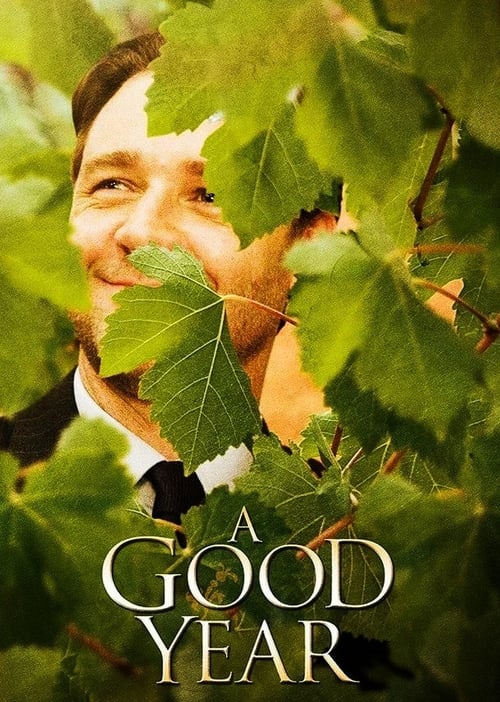
In the ending of "A Good Year," Max Skinner decides to stay in France, embracing the life and love he has found there. He reconciles with his past and the vineyard, ultimately choosing to run it rather than sell it. He also develops a romantic relationship with Fanny Chenal, who has been a significant part of his journey. The film concludes with Max finding happiness and fulfillment in a life he once overlooked.
As the film approaches its conclusion, we find Max Skinner, played by Russell Crowe, at a pivotal moment in his life. After a series of events that have led him to reevaluate his priorities, he stands in the picturesque vineyard that belonged to his late uncle, Henry. The sun casts a warm glow over the lush grapevines, symbolizing the new beginnings that await him.
In the first scene of the ending, Max is confronted by the reality of his decision to sell the vineyard. He has been in a battle with his cousin, who is eager to claim the property for himself. However, as Max walks through the vineyard, he is struck by the beauty of the land and the memories of his childhood spent there. The vibrant colors of the grapes and the gentle rustling of the leaves evoke a sense of nostalgia and belonging. Max's internal conflict is palpable; he is torn between his life in London, filled with corporate ambition, and the simpler, more fulfilling life that the vineyard represents.
In the next scene, Max meets with Fanny Chenal, portrayed by Marion Cotillard. Their relationship has blossomed throughout the film, and Fanny embodies the spirit of the French countryside that has captivated Max. They share a tender moment, discussing their dreams and aspirations. Fanny encourages Max to follow his heart, reminding him of the joy that the vineyard can bring. Her presence is a catalyst for Max's transformation, as he begins to realize that true happiness lies not in wealth but in connection and love.
As the tension with his cousin escalates, Max makes a bold decision. He chooses to reject the lucrative offer to sell the vineyard, a choice that surprises everyone around him. In a pivotal scene, he stands firm against his cousin's pressure, declaring his intention to keep the vineyard and restore it to its former glory. This moment signifies Max's growth; he is no longer the self-centered businessman but a man who values his heritage and the relationships he has built.
The final scenes unfold with Max taking charge of the vineyard. He is seen working alongside Fanny and the local workers, cultivating the land and preparing for the harvest. The camaraderie and laughter shared among them highlight the sense of community that Max has embraced. The vineyard, once a burden, has become a source of joy and purpose for him.
In the closing moments of the film, Max and Fanny share a romantic kiss under the setting sun, symbolizing their commitment to each other and the life they are building together. The camera pans out, revealing the sprawling vineyard bathed in golden light, a testament to the new chapter in Max's life. He has found not only a home but also love and fulfillment in a place he once thought he would leave behind.
As the credits roll, we see that Max has fully embraced his new life. He has reconciled with his past, chosen love over ambition, and found a sense of belonging in the vineyard. The fate of each main character is clear: Max has chosen to stay in France, Fanny is by his side, and his cousin's ambitions are thwarted. The film concludes on a hopeful note, emphasizing the importance of following one's heart and the beauty of second chances.
Is there a post-credit scene?
The movie "A Good Year," produced in 2006, does not have a post-credit scene. The film concludes with the resolution of its main plot, focusing on Max Skinner's transformation and his newfound appreciation for life and love. After the credits roll, there are no additional scenes or content that extend the story or provide further insights into the characters. The film wraps up with a sense of closure, leaving the audience with the warmth of Max's journey and his decision to embrace a more fulfilling life in Provence.
What motivates Max Skinner to return to France after his uncle's death?
Max Skinner, a successful but jaded London banker, is motivated to return to France after the death of his beloved uncle Henry, who left him a vineyard in Provence. Initially, he sees it as an opportunity to sell the property for a quick profit, but as he revisits the vineyard, he is drawn into the memories of his childhood and the beauty of the French countryside.
How does Max's relationship with his uncle Henry influence his character development?
Max's relationship with his uncle Henry is pivotal to his character development. Henry, a free-spirited and passionate man, represents a life of enjoyment and simplicity that contrasts sharply with Max's high-pressure corporate lifestyle. As Max uncovers more about Henry's life and values, he begins to question his own choices and priorities, leading to a transformation in his outlook on life.
What role does Fanny Chenal play in Max's journey?
Fanny Chenal, a local woman who initially appears to be a potential adversary in Max's plans to sell the vineyard, becomes a significant figure in his emotional journey. As they develop a romantic relationship, Fanny challenges Max's cynical worldview and helps him reconnect with the joys of life, love, and the beauty of the vineyard, ultimately influencing his decision to embrace a different path.
What challenges does Max face while trying to manage the vineyard?
Max faces several challenges while managing the vineyard, including his lack of experience in winemaking and the financial difficulties that arise from the vineyard's neglect. He struggles with the practicalities of running the estate, such as dealing with the local workers and the vineyard's upkeep, which forces him to confront his own inadequacies and learn to appreciate the hard work and dedication required to maintain the land.
How does the discovery of the hidden letters affect Max's understanding of his uncle?
The discovery of hidden letters written by his uncle Henry profoundly affects Max's understanding of his uncle's life and values. These letters reveal Henry's thoughts on love, life, and the vineyard, showcasing his deep connection to the land and his regrets about not fully embracing life. This revelation prompts Max to reflect on his own life choices and ultimately leads him to reevaluate what truly matters to him.
Is this family friendly?
"A Good Year," produced in 2006, is generally considered a family-friendly film, but it does contain some elements that may be objectionable or upsetting for children or sensitive viewers. Here are a few aspects to consider:
-
Mild Language: The film includes some instances of mild profanity, which may not be suitable for younger audiences.
-
Romantic Themes: There are romantic subplots that involve adult relationships, including flirtation and some suggestive dialogue, which may not be appropriate for all children.
-
Emotional Conflict: The protagonist experiences personal loss and emotional turmoil, which could be upsetting for sensitive viewers. This includes themes of grief and the struggle to reconnect with family.
-
Alcohol Consumption: Characters are shown drinking wine and engaging in social drinking, which may not be suitable for younger viewers.
-
Minor Violence: There are a few scenes that involve minor confrontations or arguments, which could be distressing for some children.
Overall, while the film has a light-hearted tone and a positive message about love and family, these elements may warrant parental guidance for younger audiences.







