





























Popular
What motivates the main character, Jae-hyuk, to take action against the nuclear disaster?
How does the relationship between Jae-hyuk and his wife, Soo-jin, evolve throughout the film?
What role does the character of the plant manager, Lee, play in the story?
How does the film depict the impact of the nuclear disaster on the local community?
What sacrifices do the characters make in order to prevent the disaster from escalating?
Should I watch it?
Ask Your Own Question

What is the plot?
Sorry, we aren't able to watch and write up a full detailed plot yet. Check back in a few days.







What is the ending?
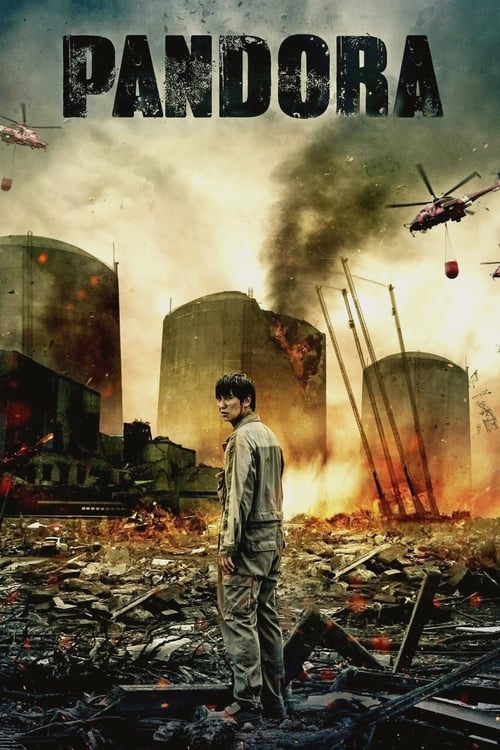
In the ending of the movie "Pandora," the main characters face a catastrophic nuclear disaster. The protagonist, Jae-hyuk, sacrifices himself to save his friends and the city from the impending explosion. The film concludes with a sense of loss but also a glimmer of hope as the remaining characters reflect on their experiences and the importance of human connection.
As the climax of "Pandora" unfolds, the tension escalates within the nuclear power plant. The facility is on the brink of a meltdown, and the characters are acutely aware of the impending disaster. Jae-hyuk, who has been portrayed as a dedicated worker and a loving father, is thrust into a position where he must make a critical decision.
Scene by scene, the narrative progresses as follows:
The first scene of the ending begins in the control room of the nuclear plant, where alarms blare and red lights flash ominously. Jae-hyuk, along with his colleagues, is frantically trying to stabilize the reactor. The atmosphere is thick with anxiety, and the weight of responsibility hangs heavily on Jae-hyuk's shoulders. He knows that time is running out, and the stakes are higher than ever.
As the situation deteriorates, Jae-hyuk's friend, the plant manager, is injured while attempting to fix a critical issue. Jae-hyuk rushes to his side, showing his loyalty and determination to protect those he cares about. The urgency of the moment is palpable, and the fear of losing his friend drives Jae-hyuk to take bold actions.
In the next scene, the team realizes that the only way to prevent a catastrophic explosion is to manually cool the reactor. Jae-hyuk volunteers to go into the reactor room, fully aware of the risks involved. His internal conflict is evident; he grapples with the fear of leaving his family behind but ultimately chooses to act for the greater good. This moment highlights his character's growth and selflessness.
As Jae-hyuk enters the reactor room, the heat and radiation levels are overwhelming. The visuals are stark, with glowing machinery and the oppressive atmosphere of impending doom. He works tirelessly, sweat pouring down his face, as he battles against time. The audience can feel his desperation and determination as he fights to avert disaster.
Meanwhile, outside the plant, the remaining characters, including Jae-hyuk's family and friends, are evacuated. They watch in horror as the situation escalates, their faces etched with fear and uncertainty. The emotional weight of the scene is heavy, as they realize the potential loss of Jae-hyuk.
In the final moments, Jae-hyuk successfully stabilizes the reactor but knows that he cannot escape in time. He makes a heart-wrenching call to his family, expressing his love and urging them to live their lives fully. The scene is filled with raw emotion, as he bids farewell, knowing he is sacrificing himself for the safety of others.
The film concludes with a powerful explosion, illuminating the night sky. The aftermath shows the surviving characters mourning their loss but also reflecting on the strength of their bonds. They gather together, united in their grief and gratitude for Jae-hyuk's bravery. The final scenes emphasize the importance of community and the enduring impact of love, even in the face of tragedy.
In summary, Jae-hyuk sacrifices himself to save his friends and family, while the remaining characters are left to navigate their grief and the lessons learned from the disaster. The film ends on a poignant note, highlighting the resilience of the human spirit amidst overwhelming adversity.
Is there a post-credit scene?
In the movie "Pandora," produced in 2016, there is no post-credit scene. The film concludes its narrative without any additional scenes or content after the credits roll. The story wraps up with a focus on the characters' resolutions and the aftermath of the events that transpired, leaving the audience with a sense of closure regarding the main plot and character arcs.
What motivates the main character, Jae-hyuk, to take action against the nuclear disaster?
Jae-hyuk, a dedicated firefighter, is driven by a deep sense of responsibility and love for his family and community. When a nuclear power plant experiences a catastrophic failure, he feels compelled to protect his loved ones and prevent a larger disaster, showcasing his bravery and selflessness.
How does the relationship between Jae-hyuk and his wife, Soo-jin, evolve throughout the film?
Initially, Jae-hyuk and Soo-jin share a loving and supportive relationship, but as the crisis unfolds, the strain of the impending disaster tests their bond. Soo-jin's fear for their family's safety contrasts with Jae-hyuk's determination to confront the danger, leading to emotional conflicts that highlight their differing coping mechanisms.
What role does the character of the plant manager, Lee, play in the story?
Lee, the plant manager, embodies the conflict between corporate interests and public safety. His initial focus on minimizing damage and protecting the company's reputation creates tension with Jae-hyuk, who prioritizes human lives over corporate concerns. Lee's character arc reflects the moral dilemmas faced during the crisis.
How does the film depict the impact of the nuclear disaster on the local community?
The film vividly portrays the chaos and fear that grips the local community as news of the nuclear disaster spreads. Scenes of evacuation, panic, and the struggle for survival highlight the emotional turmoil experienced by families, showcasing the broader implications of the disaster on their lives and relationships.
What sacrifices do the characters make in order to prevent the disaster from escalating?
Throughout the film, characters like Jae-hyuk and his fellow firefighters make significant personal sacrifices, including risking their lives to contain the nuclear leak. Their commitment to saving others often leads to harrowing choices, emphasizing themes of heroism and the human spirit in the face of overwhelming odds.
Is this family friendly?
"Pandora," produced in 2016, is a South Korean disaster film that contains several elements that may not be suitable for children or sensitive viewers. Here are some potentially objectionable or upsetting aspects:
-
Natural Disaster Scenes: The film features intense scenes of a nuclear disaster, including explosions and the chaos that ensues. These moments can be frightening and may evoke anxiety about real-life disasters.
-
Graphic Injuries: There are depictions of injuries and suffering among characters, which can be distressing. The visual representation of the aftermath of the disaster includes wounded individuals and the impact on the community.
-
Emotional Turmoil: Characters experience significant emotional distress, including fear, loss, and desperation. The portrayal of grief and the struggle for survival can be heavy and may be upsetting for younger viewers.
-
Parental Sacrifice: Themes of parental sacrifice and the lengths to which characters go to protect their loved ones are central to the story, which may resonate deeply and evoke strong emotions.
-
Tense Situations: The film is filled with suspenseful moments that can create a sense of dread, particularly as characters face life-threatening situations.
Overall, while "Pandora" is a gripping narrative about resilience and survival, its intense themes and visuals may not be appropriate for all audiences, especially children or those sensitive to such content.






