












Popular
What is the significance of the unicorn's journey to find her lost kin?
How does the character of Schmendrick the Magician evolve throughout the story?
What role does the character of Molly Grue play in the unicorn's journey?
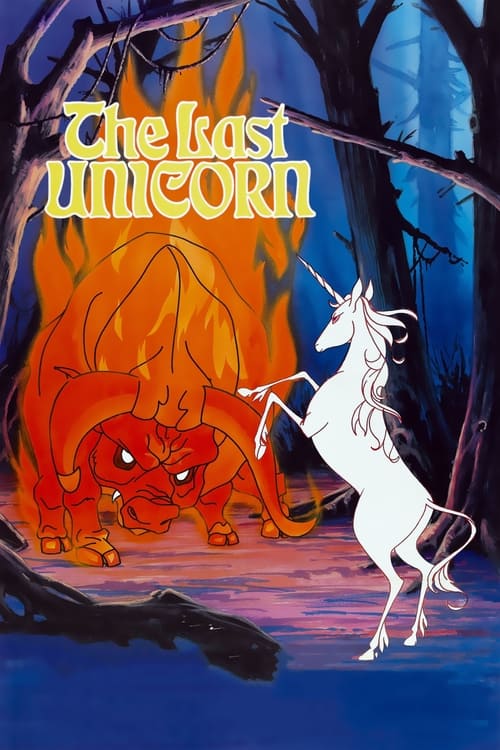
What is the nature of the relationship between the unicorn and the Red Bull?
How does the transformation of the unicorn into a human affect her character and her understanding of herself?
Should I watch it?
Ask Your Own Question

What is the plot?
Sorry, we aren't able to watch and write up a full detailed plot yet. Check back in a few days.
More Movies Like This
Browse All Movies →



What is the ending?
In the ending of The Last Unicorn, the unicorn, having transformed into a human woman named Lady Amalthea, confronts the Red Bull and the fate of her fellow unicorns. She ultimately regains her true form and, with the help of her friends, defeats the Bull, freeing the captured unicorns. The story concludes with the unicorns returning to their home, while Amalthea chooses to remain in the human world, having experienced love and loss.
Now, let's delve into the ending in a more detailed narrative fashion:
As the climax of the story unfolds, the unicorn, now in her human form as Lady Amalthea, stands on the edge of the cliff overlooking the sea. The Red Bull, a monstrous creature that has driven her kin into hiding, looms ominously in the distance. The air is thick with tension, and Amalthea feels a deep sense of loss for her fellow unicorns, who have been captured and imprisoned by the Bull. She is torn between her newfound humanity and her identity as a unicorn.
In a moment of clarity, Amalthea realizes that she must confront the Red Bull to save her kind. With her companions, Schmendrick the magician and Molly Grue, she devises a plan. Schmendrick, who has struggled with his own magical abilities throughout their journey, finally finds the strength to transform Amalthea back into her true form. As the magic swirls around her, the transformation is both beautiful and painful, symbolizing the struggle between her human experiences and her true nature.
Once transformed, the unicorn charges at the Red Bull with a fierce determination. The Bull, sensing the return of the unicorn's power, becomes enraged and charges back. The confrontation is intense, filled with swirling dust and the sounds of hooves pounding against the earth. In a climactic moment, the unicorn uses her strength and grace to outmaneuver the Bull, leading it away from the cliff and into the sea. The Bull, unable to swim, is ultimately defeated, and the captured unicorns are freed from their imprisonment.
As the unicorns emerge from their hiding places, they are bathed in the light of the moon, their forms shimmering with ethereal beauty. The sight is breathtaking, a poignant reminder of the magic that still exists in the world. The unicorns, now liberated, begin to return to their homeland, a place filled with wonder and tranquility.
In the aftermath, Amalthea stands on the shore, watching her kin disappear into the horizon. She feels a profound sense of loss, knowing that she cannot return to her former life. Her experiences as a human have changed her irrevocably. Schmendrick and Molly, who have been her steadfast companions, share a moment of understanding with her. They recognize the sacrifice she has made and the love she has experienced, which has shaped her into a more complex being.
As the story concludes, Amalthea chooses to remain in the human world, embracing her new identity while cherishing the memories of her past. Schmendrick, having finally found his confidence as a magician, and Molly, with her fierce spirit, continue their journey together, leaving behind a world that has been forever altered by the presence of the last unicorn.
The final scenes capture the bittersweet essence of the story, highlighting themes of transformation, sacrifice, and the enduring nature of love. Each character has faced their own trials and emerged changed, reflecting the complexities of existence and the beauty of embracing one's true self.
Is there a post-credit scene?
The Last Unicorn, produced in 1982, does not have a post-credit scene. The film concludes with a poignant ending that encapsulates the themes of loss, hope, and the enduring nature of the unicorn's spirit. After the climactic confrontation with King Haggard and the rescue of the captured unicorns, the story wraps up with a sense of bittersweet resolution, focusing on the journey of the last unicorn and her transformation. The credits roll without any additional scenes or content following them.
What is the significance of the unicorn's journey to find her lost kin?
The unicorn embarks on her journey driven by a deep sense of loneliness and a desire to discover the fate of her fellow unicorns, who have mysteriously vanished. This quest is not only a physical journey but also an emotional one, as she seeks to understand her own identity and the nature of her existence in a world that has forgotten her kind.
How does the character of Schmendrick the Magician evolve throughout the story?
Schmendrick begins as a bumbling, inept magician who struggles with his powers and feels inadequate. His encounter with the unicorn ignites a sense of purpose within him, leading him to grow more confident and capable. As he learns to harness his magic, he ultimately plays a crucial role in helping the unicorn confront the Red Bull and reclaim her identity.
What role does the character of Molly Grue play in the unicorn's journey?
Molly Grue serves as a pivotal character who represents the harsh realities of life outside the unicorn's enchanted world. When she meets the unicorn, she is initially filled with wonder but also expresses deep sorrow over the loss of magic in her life. Her emotional depth and longing for beauty and hope provide a stark contrast to the unicorn's ethereal nature, and she becomes a loyal ally in the quest to save the unicorn's kin.
What is the nature of the relationship between the unicorn and the Red Bull?
The Red Bull symbolizes the oppressive force that has driven the unicorns into hiding. He is a powerful, fearsome creature that embodies the destruction of beauty and innocence. The unicorn's confrontation with the Red Bull is a climactic moment that tests her courage and determination, as she must face the embodiment of her fears to reclaim her place in the world.
How does the transformation of the unicorn into a human affect her character and her understanding of herself?
When the unicorn is transformed into a human woman, she experiences the complexities of human emotions, desires, and vulnerabilities for the first time. This transformation allows her to understand love, loss, and mortality, deepening her character and making her more relatable. However, it also creates a conflict within her, as she grapples with the loss of her true identity and the longing to return to her original form.
Is this family friendly?
"The Last Unicorn," produced in 1982, is generally considered family-friendly, but it does contain some scenes and themes that may be unsettling for younger viewers or sensitive individuals. Here are a few potentially objectionable or upsetting aspects:
-
Themes of Loss and Loneliness: The central theme revolves around the last unicorn's quest to find her lost kin, which can evoke feelings of sadness and isolation.
-
Depictions of Death: There are scenes that involve the concept of death, including the fate of other unicorns and the emotional impact on the characters, which may be distressing.
-
Dark Imagery: The film features some dark and surreal imagery, particularly in scenes involving the Red Bull and the transformation of the unicorns, which may be frightening for younger audiences.
-
Emotional Turmoil: Characters experience significant emotional struggles, including despair, betrayal, and longing, which may be intense for sensitive viewers.
-
Violence: While not graphic, there are moments of conflict and danger, including confrontations with the Red Bull and the actions of the villainous King Haggard, which could be alarming.
-
Existential Themes: The film explores deeper philosophical questions about identity, purpose, and the passage of time, which may be complex for younger children to grasp.
Overall, while "The Last Unicorn" is a beautifully animated and poignant story, parents may want to consider these elements when deciding if it is suitable for their children.








