












Popular
What are the key events that lead to the climax of the film?
What is the relationship between Nick and Maria in Escobar: Paradise Lost?
How does Nick first meet Pablo Escobar in the film?
What role does the character of Pablo Escobar play in Nick's life throughout the film?
How does Nick's perception of Colombia change throughout the film?
Should I watch it?
Ask Your Own Question

What is the plot?
Sorry, we aren't able to watch and write up a full detailed plot yet. Check back in a few days.









What is the ending?
In the ending of "Escobar: Paradise Lost," Nick, the protagonist, confronts Pablo Escobar and ultimately escapes with his life, but not without significant emotional and physical scars. The film concludes with Nick leaving Colombia, reflecting on the chaos and danger that surrounded him.
As the climax of the film unfolds, we find Nick, a Canadian surfer, deeply entangled in the dangerous world of Pablo Escobar. After witnessing the violent realities of Escobar's drug empire and the impact it has on his loved ones, Nick's internal conflict intensifies. He is torn between his love for Escobar's niece, Maria, and the perilous situation that surrounds them.
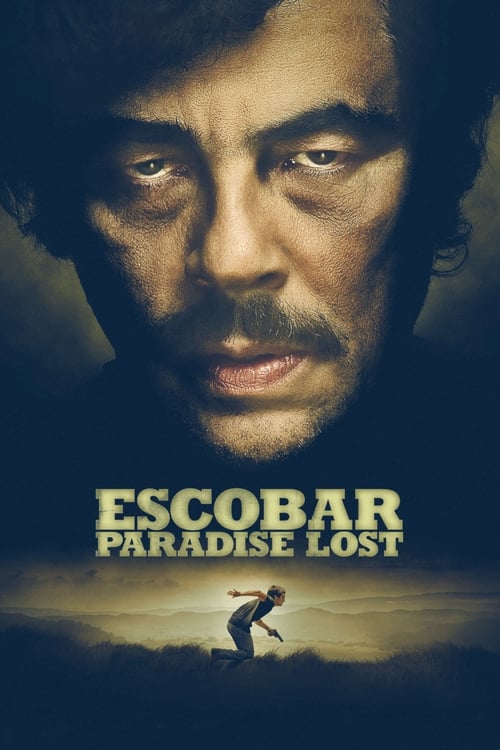
In a tense scene, Nick confronts Escobar at his lavish estate. The atmosphere is thick with tension as Nick realizes the extent of Escobar's power and ruthlessness. Escobar, played by Benicio del Toro, is charismatic yet menacing, embodying the duality of a family man and a violent drug lord. Nick's fear is palpable as he understands that he is in the presence of a man who will stop at nothing to protect his empire.
As the confrontation escalates, Nick's desperation grows. He knows that he must protect Maria and himself from Escobar's wrath. In a moment of bravery, he decides to take action, leading to a chaotic sequence where he attempts to escape the clutches of Escobar's men. The tension is heightened as gunfire erupts, and Nick's heart races with the urgency of survival.
In the midst of the chaos, Nick manages to flee, but not without witnessing the brutal consequences of Escobar's world. The violence and bloodshed serve as a stark reminder of the dangers that come with being involved in the drug trade. Nick's escape is fraught with peril, and he is left emotionally scarred by the events he has witnessed.
As the film draws to a close, Nick is seen leaving Colombia, a place that was once filled with love and adventure but has now become a haunting memory. He reflects on the choices he made and the people he lost along the way. Maria, who remains in Colombia, is left to navigate the aftermath of her uncle's empire, while Nick is left to grapple with the trauma of his experiences.
The final scenes emphasize the lasting impact of Escobar's reign on those around him. Nick's journey is one of survival, love, and the harsh realities of a world dominated by violence and power. The film ends on a somber note, highlighting the personal costs of involvement in such a dangerous lifestyle, leaving the audience to ponder the fates of the characters and the consequences of their choices.
Is there a post-credit scene?
In "Escobar: Paradise Lost," there is no post-credit scene. The film concludes with a powerful and tense climax that wraps up the story of Nick and his experiences with Pablo Escobar. After the intense events leading to the resolution of the conflict, the film ends without any additional scenes or epilogues during or after the credits. The focus remains on the narrative's conclusion, emphasizing the impact of Escobar's actions on the characters and the surrounding environment.
What are the key events that lead to the climax of the film?
The key events leading to the climax include Nick's growing awareness of Escobar's criminal activities, the increasing violence surrounding the drug trade, and the tension between Nick and Escobar. A pivotal moment occurs when Nick witnesses a brutal act of violence orchestrated by Escobar's men, solidifying his realization that he must protect Maria and himself. This culminates in a desperate confrontation where Nick must choose between fleeing the dangerous situation or standing up to Escobar to save Maria.
What is the relationship between Nick and Maria in Escobar: Paradise Lost?
Nick, a young Canadian surfer, falls in love with Maria, who is the niece of the infamous drug lord Pablo Escobar. Their relationship is initially idyllic, filled with the beauty of the Colombian coast and the thrill of young love. However, as Nick becomes more entangled in the dangerous world of Escobar, his motivations shift from love to survival, leading to a deep internal conflict as he grapples with the implications of his relationship with Maria and her family's criminal ties.
How does Nick first meet Pablo Escobar in the film?
Nick first meets Pablo Escobar during a family gathering at Escobar's lavish estate. Initially, Nick is unaware of Escobar's true identity and is captivated by the charm and charisma of the drug lord. However, as the reality of who Escobar is becomes clear, Nick's admiration turns to fear, and he realizes the perilous situation he has entered by becoming involved with Maria and her family.
What role does the character of Pablo Escobar play in Nick's life throughout the film?
Pablo Escobar serves as both a mentor and a looming threat in Nick's life. Initially, Nick is drawn to Escobar's power and influence, seeing him as a father figure. However, as the story progresses, Escobar's violent and ruthless nature becomes apparent, forcing Nick to confront the moral implications of his association with him. This duality creates a tension within Nick, as he struggles between his love for Maria and the danger posed by her uncle.
How does Nick's perception of Colombia change throughout the film?
At the beginning of the film, Nick views Colombia as a paradise, filled with beautiful beaches and a vibrant culture, largely influenced by his love for Maria. However, as he becomes more involved with Escobar and witnesses the violence and corruption that permeate the drug trade, his perception shifts dramatically. The idyllic landscape becomes overshadowed by fear and danger, reflecting Nick's internal struggle as he grapples with the reality of the world he has entered.
Is this family friendly?
"Escobar: Paradise Lost" is not considered family-friendly due to its mature themes and content. Here are some potentially objectionable or upsetting aspects that may affect children or sensitive viewers:
-
Violence: The film contains several scenes of intense violence, including gunfights and the aftermath of brutal killings, which may be disturbing.
-
Drug-related themes: The narrative revolves around drug trafficking and the impact of Pablo Escobar's empire, which includes depictions of drug use and the consequences of addiction.
-
Mature language: There is frequent use of strong language throughout the film, which may not be suitable for younger audiences.
-
Tense and suspenseful situations: The film features moments of high tension and danger, including threats to the characters' lives, which can be anxiety-inducing.
-
Emotional distress: Characters experience significant emotional turmoil, including fear, betrayal, and loss, which may be upsetting for some viewers.
These elements contribute to the film's rating and make it more appropriate for mature audiences.







