

Popular
What role does the character of the priest play in the story?
Who is the main antagonist in A Town Called Hell?
How does the character of the bounty hunter contribute to the plot?
What is the significance of the town's setting in relation to the characters' struggles?
How do the townspeople react to General Hugo's tyranny?
Should I watch it?
Ask Your Own Question

What is the plot?
Sorry, we aren't able to watch and write up a full detailed plot yet. Check back in a few days.

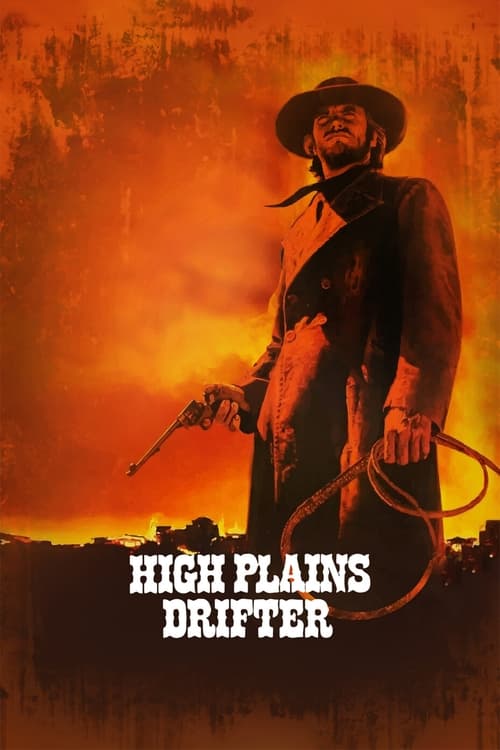
What is the ending?
In the ending of "A Town Called Hell," the town is engulfed in chaos as the characters confront their fates. The main antagonist, the ruthless Colonel, meets his demise, while the townspeople, led by the protagonist, find a semblance of hope amidst the destruction. The film concludes with a sense of resolution, albeit bittersweet, as the characters grapple with their losses and the harsh realities of their lives.
As the climax unfolds, the scene is set in the dusty, desolate town that has been the backdrop for the brutal conflict. The sun hangs low in the sky, casting long shadows over the buildings, which are now scarred from the violence that has erupted. The air is thick with tension, and the sounds of gunfire echo through the streets, a grim reminder of the battle that has raged.
The protagonist, a man driven by vengeance and a desire for justice, stands at the center of the chaos. His face is smeared with dirt and sweat, his eyes burning with determination. He knows that the time has come to confront Colonel, the man responsible for the suffering of the townspeople. The Colonel, a figure of authority cloaked in arrogance, stands defiantly, surrounded by his men, who are equally ruthless and ready to defend their leader.
As the confrontation escalates, the protagonist rallies the townspeople, urging them to rise against their oppressors. The camera captures the fear and resolve in their faces, a mix of desperation and newfound courage. They arm themselves with whatever they can find, a symbol of their fight for freedom. The tension builds as they prepare to face the Colonel and his men.
In a series of intense exchanges, gunfire erupts, and the once-quiet town becomes a battleground. The protagonist and the Colonel engage in a fierce duel, each shot fired echoing the stakes of their conflict. The Colonel, confident in his power, underestimates the resolve of the townspeople. As the battle rages on, the protagonist's determination shines through, fueled by the memories of those who have suffered at the hands of the Colonel.
In a pivotal moment, the protagonist gains the upper hand. He confronts the Colonel, who, in a last-ditch effort to assert his dominance, attempts to negotiate. However, the protagonist, filled with righteous anger, refuses to back down. The Colonel's bravado crumbles as he realizes the tide has turned against him. In a final act of defiance, the protagonist delivers a fatal blow, ending the Colonel's reign of terror.
As the dust settles, the townspeople emerge from their hiding places, witnessing the aftermath of the battle. The camera pans over the destruction, capturing the somber expressions on their faces. They have won, but at a great cost. The protagonist stands amidst the ruins, a mix of relief and sorrow washing over him. He has avenged the wrongs done to his people, but the weight of loss hangs heavy in the air.
In the final scenes, the townspeople begin to gather, their faces reflecting a blend of hope and grief. They look to the protagonist, who has become a symbol of their struggle. As they start to rebuild their lives, the film closes on a note of resilience. The protagonist, though scarred by the violence, stands tall, embodying the spirit of a community that has fought for its freedom. The camera fades out, leaving the audience with a lingering sense of the harsh realities of life in a town that has faced hell but emerged with a flicker of hope.
Is there a post-credit scene?
The movie "A Town Called Hell," produced in 1971, does not have a post-credit scene. The film concludes without any additional scenes or content after the credits roll. The story wraps up with the resolution of the main plot, focusing on the characters' fates and the aftermath of the events that transpired in the town. The ending leaves a lasting impression, emphasizing the themes of revenge and the harsh realities of life in a lawless environment.
What role does the character of the priest play in the story?
The priest, played by the actor who embodies a moral compass in the film, serves as a voice of reason and hope for the townspeople. He struggles with his faith amidst the violence and chaos, ultimately becoming a pivotal figure in the resistance against General Hugo.
Who is the main antagonist in A Town Called Hell?
The main antagonist in A Town Called Hell is a ruthless and sadistic Mexican general named General Hugo. He is portrayed as a tyrant who uses brutal methods to maintain control over the town and its inhabitants.
How does the character of the bounty hunter contribute to the plot?
The bounty hunter, known for his rugged demeanor and complex past, arrives in the town with his own agenda. His motivations are driven by a desire for revenge against General Hugo, and he becomes an unlikely ally to the townspeople as they band together to fight back.
What is the significance of the town's setting in relation to the characters' struggles?
The town itself, depicted as a desolate and oppressive environment, reflects the characters' struggles against tyranny and despair. The harsh landscape and the oppressive atmosphere amplify the emotional turmoil of the characters, particularly as they confront their fears and fight for survival.
How do the townspeople react to General Hugo's tyranny?
The townspeople initially live in fear of General Hugo's tyranny, but as the story progresses, they begin to unite against him. Their reactions evolve from submission to defiance, showcasing their resilience and determination to reclaim their lives and freedom.
Is this family friendly?
"A Town Called Hell," produced in 1971, is not considered family-friendly. The film contains several potentially objectionable or upsetting scenes and aspects that may be distressing for children or sensitive viewers.
-
Violence and Gore: The film features graphic depictions of violence, including shootouts and brutal confrontations, which may be unsettling.
-
Death and Suffering: There are scenes that portray death and suffering in a harsh manner, including the aftermath of violent acts.
-
Themes of Revenge and Betrayal: The narrative explores dark themes such as revenge, betrayal, and moral ambiguity, which may be difficult for younger audiences to process.
-
Strong Language: The dialogue includes coarse language and harsh exchanges that may not be suitable for children.
-
Emotional Turmoil: Characters experience intense emotional struggles, including grief and despair, which could be upsetting for sensitive viewers.
Overall, the film's mature themes and graphic content make it more appropriate for adult audiences.








