

Popular
What role does the character of the young boy play in the story?
What motivates the character of Clay Lomax throughout the film?
How does the relationship between Clay Lomax and the character of Sheriff Will McClain evolve?
What is the significance of the shootout scene in the film?
How does the film portray the theme of betrayal through the character of the gang members?
Should I watch it?
Ask Your Own Question

What is the plot?
Sorry, we aren't able to watch and write up a full detailed plot yet. Check back in a few days.

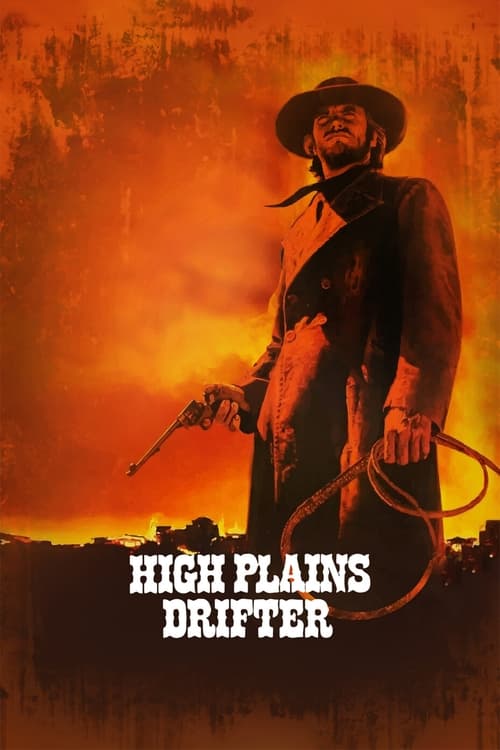

What is the ending?
In the ending of "Shoot Out," the film culminates in a tense confrontation between the main characters, where the past catches up with them. The protagonist, Clay, faces off against his former friend and now adversary, who has been hunting him down. The climax leads to a violent showdown, resulting in significant casualties. Ultimately, Clay survives, but the emotional toll of the events leaves him deeply affected, reflecting on the cycle of violence and loss.
As the film approaches its conclusion, the tension escalates. Clay, played by Gregory Peck, finds himself cornered in a dusty, desolate landscape that mirrors his internal turmoil. The sun hangs low in the sky, casting long shadows that seem to stretch the weight of his past over him. He is haunted by memories of his former life, particularly the betrayal that led to his current predicament.
In a pivotal scene, Clay is confronted by his old friend, who has now become his enemy. The air is thick with unspoken words and unresolved feelings. Clay's heart races as he recalls the moments that led them to this point, the camaraderie they once shared now twisted into animosity. The two men exchange heated words, revealing the depth of their shared history and the pain of betrayal.
As the confrontation escalates, gunfire erupts. Clay, driven by a mix of survival instinct and a desire for redemption, engages in a fierce shootout. The sound of gunfire echoes through the barren landscape, punctuated by the cries of the wounded. Each shot fired is a reminder of the lives lost and the choices made. Clay's determination to survive is palpable; he fights not just for his life but to reclaim a sense of honor that has been stripped away.
In the chaos, Clay's adversary is ultimately shot, collapsing to the ground. The weight of victory feels hollow as Clay stands over him, grappling with the reality of what he has done. The emotional burden of the confrontation weighs heavily on him, and he realizes that the cycle of violence has not brought him peace but rather deepened his scars.
As the dust settles, Clay walks away from the scene, his silhouette framed against the setting sun. He is alive, but the victory feels bittersweet. The film closes with a sense of ambiguity; Clay's future remains uncertain, and the emotional toll of his choices lingers in the air. The final moments serve as a poignant reminder of the cost of violence and the haunting nature of unresolved conflict.
In the aftermath, the fates of the main characters are starkly defined. Clay survives, but he is left to grapple with the consequences of his actions and the loss of his former life. His adversary, once a friend, lies dead, a tragic reminder of how quickly relationships can deteriorate under the weight of betrayal and revenge. The film leaves viewers with a lingering sense of the complexities of human relationships and the often-painful journey toward redemption.
Is there a post-credit scene?
The movie "Shoot Out," produced in 1971, does not have a post-credit scene. The film concludes without any additional scenes or content after the credits roll. The story wraps up with the main character, Clay Lomax, reflecting on his past and the consequences of his choices, leaving the audience with a sense of closure regarding his journey. The focus remains on the narrative and character development throughout the film, rather than extending the story beyond its conclusion.
What role does the character of the young boy play in the story?
The young boy, who is a witness to the violent events surrounding Clay Lomax, serves as a symbol of innocence amidst chaos. His presence highlights the impact of violence on the next generation and evokes a sense of urgency in Lomax's quest for resolution, as he becomes a protector figure for the boy, reflecting Lomax's desire to break the cycle of violence.
What motivates the character of Clay Lomax throughout the film?
Clay Lomax, played by Gregory Peck, is driven by a deep desire for revenge against the men who betrayed him and led to his imprisonment. His internal struggle is palpable as he grapples with his past and the consequences of his choices, particularly his longing for redemption and the need to confront his former allies.
How does the relationship between Clay Lomax and the character of Sheriff Will McClain evolve?
Initially, Sheriff Will McClain, portrayed by Pat Garrett, is skeptical of Clay Lomax and his intentions. As the story unfolds, their relationship shifts from one of distrust to a reluctant alliance, as both men find themselves facing common enemies. McClain's internal conflict about law and justice versus personal loyalty adds depth to their evolving dynamic.
What is the significance of the shootout scene in the film?
The climactic shootout scene is pivotal, showcasing the culmination of Clay Lomax's quest for vengeance. It is a visually intense moment filled with tension and emotional stakes, as Lomax confronts his past and the men who wronged him. The scene is not just about physical confrontation; it represents Lomax's internal battle and the cost of his choices.
How does the film portray the theme of betrayal through the character of the gang members?
The gang members, who once were allies of Clay Lomax, embody the theme of betrayal as they turn against him, leading to his imprisonment. Their actions are driven by greed and self-preservation, which creates a stark contrast to Lomax's quest for honor and justice. This betrayal is a key motivator for Lomax's actions and adds layers to the narrative, emphasizing the personal stakes involved.
Is this family friendly?
"Shoot Out," produced in 1971, is not considered family-friendly due to its themes and content. The film contains several potentially objectionable or upsetting aspects, including:
-
Violence: The film features gunfights and shootouts that are graphic and intense, showcasing the harsh realities of life in the Old West.
-
Death: Characters experience violent deaths, which may be distressing for younger viewers or sensitive individuals.
-
Themes of Revenge and Betrayal: The narrative revolves around themes of vengeance and moral ambiguity, which may be complex and unsettling for children.
-
Emotional Turmoil: Characters grapple with deep emotional pain, loss, and trauma, which could be heavy for younger audiences to process.
-
Mature Language: The dialogue includes strong language that may not be suitable for children.
These elements contribute to a tone that is more appropriate for adult viewers rather than a family audience.








