









Popular
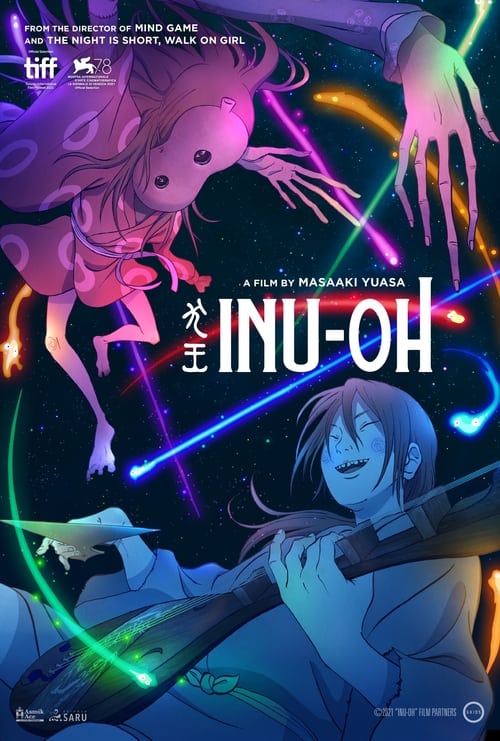
What is the significance of Inu-Oh's physical appearance and how does it affect his character development?
How does the relationship between Inu-Oh and Tomona evolve throughout the film?
What role does music play in Inu-Oh's journey and how does it influence his character?
What are the key events that lead to Inu-Oh's rise to fame?
How does Inu-Oh confront the societal norms and expectations placed upon him?
Should I watch it?
Ask Your Own Question

What is the plot?
Sorry, we aren't able to watch and write up a full detailed plot yet. Check back in a few days.







What is the ending?
In the ending of "Inu-Oh," the story culminates in a powerful performance that showcases the bond between Inu-Oh and Tomona. Their music resonates with the audience, but it also brings to light the tragic history of the Heike clan. As they perform, Inu-Oh's fate is intertwined with the legacy of his family, leading to a poignant conclusion that reflects on the themes of identity, loss, and the power of art.
As the final scenes unfold, Inu-Oh and Tomona prepare for their climactic performance. The atmosphere is charged with anticipation, and the stage is set for a grand display of their artistry. The audience, a mix of commoners and nobles, gathers, eager to witness the spectacle. Inu-Oh, adorned in elaborate costumes that reflect his unique identity, stands ready to embrace his role as a performer, while Tomona, with his biwa in hand, embodies the spirit of their shared journey.
The performance begins, and the music fills the air, weaving a tapestry of sound that tells the story of the Heike clan's downfall. As they play, Inu-Oh's movements are fluid and expressive, showcasing his physicality and the emotional weight of the narrative. The visuals are striking, with vibrant colors and dynamic choreography that captivate the audience. Each note played by Tomona resonates with the pain and beauty of their shared history, drawing the listeners into the depths of the tale.
As the performance progresses, Inu-Oh's connection to the past becomes more pronounced. He begins to see visions of the Heike warriors, their struggles and their ultimate demise. This moment is both haunting and enlightening, as Inu-Oh grapples with his own identity and the legacy he carries. The audience is moved, tears streaming down their faces as they witness the raw emotion of the performance.
Inu-Oh's fate becomes intertwined with the spirits of the Heike, and in a climactic moment, he embraces his lineage, acknowledging the pain and loss that has shaped him. The performance reaches its zenith, and as the final notes echo through the hall, Inu-Oh and Tomona stand together, united in their artistry and their understanding of the past.
As the curtain falls, the audience erupts in applause, but the moment is bittersweet. Inu-Oh, having fully embraced his identity, understands that his journey is not just about fame or recognition; it is about honoring the stories of those who came before him. Tomona, too, finds solace in their shared experience, having transformed from a blind musician into a storyteller of profound depth.
In the aftermath of the performance, Inu-Oh's fate is left ambiguous. He has found his place in the world, but the weight of his family's history lingers. Tomona, having forged a deep bond with Inu-Oh, continues to carry the stories of the Heike, ensuring that their legacy lives on through music. The film closes on a note of reflection, emphasizing the enduring power of art to connect people across time and space, and the importance of remembering those who have been lost.
Is there a post-credit scene?
In the movie "Inu-Oh," produced in 2022, there is no post-credit scene. The film concludes its narrative without any additional scenes or content after the credits roll. The story wraps up with a poignant resolution that encapsulates the themes of music, identity, and the bond between the two main characters, Inu-Oh and Tomona, leaving the audience with a sense of closure. The focus remains on the emotional journey and the artistic expression that defines their relationship throughout the film.
What is the significance of Inu-Oh's physical appearance and how does it affect his character development?
Inu-Oh is depicted with a striking and unusual appearance, characterized by his long hair and elaborate makeup that emphasizes his theatrical persona. This physicality is not just for show; it symbolizes his status as an outcast and his desire for acceptance in a society that shuns him due to his deformities. As he embraces his unique look, it becomes a source of empowerment, allowing him to express his true self and connect with others, particularly with Tomona.
How does the relationship between Inu-Oh and Tomona evolve throughout the film?
Inu-Oh and Tomona's relationship begins as a partnership rooted in mutual need; Tomona, a blind biwa player, seeks to tell Inu-Oh's story through music, while Inu-Oh yearns for recognition and a voice in a world that has marginalized him. As they collaborate, their bond deepens, evolving from a professional alliance into a profound friendship. They share their dreams, fears, and struggles, ultimately supporting each other in their quest for identity and acceptance.
What role does music play in Inu-Oh's journey and how does it influence his character?
Music is central to Inu-Oh's journey, serving as both a means of expression and a vehicle for his transformation. Initially, Inu-Oh uses music to convey his pain and longing for acceptance. As he gains confidence and fame, music becomes a powerful tool for storytelling, allowing him to reclaim his narrative and connect with audiences. The emotional weight of the songs reflects his internal struggles and triumphs, illustrating how music shapes his identity and the way he interacts with the world.
What are the key events that lead to Inu-Oh's rise to fame?
Inu-Oh's rise to fame is marked by several pivotal events. Initially, he performs in secret, showcasing his unique talents to a small audience. His breakthrough comes when he and Tomona create a performance that captivates the public, blending traditional storytelling with innovative music. As their performances gain popularity, Inu-Oh's reputation grows, leading to larger venues and more elaborate shows. Each performance not only elevates his status but also deepens his connection with Tomona, highlighting their collaborative spirit.
How does Inu-Oh confront the societal norms and expectations placed upon him?
Inu-Oh confronts societal norms through his defiance of traditional expectations regarding appearance and behavior. Initially, he feels the weight of societal rejection due to his deformities, but as he embraces his identity and talents, he challenges the status quo. His performances become acts of rebellion, showcasing his individuality and rejecting the constraints imposed by society. This confrontation is not just external; it is also an internal struggle as he learns to accept himself and find pride in his uniqueness.
Is this family friendly?
"Inu-Oh," produced in 2022, is an animated film that explores themes of friendship, identity, and the power of music. While it is visually stunning and rich in storytelling, there are elements that may be considered objectionable or upsetting for children or sensitive viewers.
-
Violence and Gore: The film includes scenes depicting historical violence, including battles and the aftermath of war, which may be intense for younger audiences.
-
Death and Loss: Characters experience loss and the impact of death, which can evoke strong emotions and may be distressing for some viewers.
-
Social Injustice: The narrative touches on themes of discrimination and societal oppression, which may be heavy topics for children to process.
-
Supernatural Elements: There are scenes involving supernatural occurrences that might be frightening or unsettling for younger viewers.
-
Emotional Struggles: Characters face significant emotional challenges, including feelings of isolation and despair, which could be intense for sensitive audiences.
Overall, while "Inu-Oh" offers a rich narrative experience, parents may want to consider these aspects when determining its suitability for children.







