




















Popular
What motivates Norman Oppenheimer to become a fixer in New York City?
How does Norman's relationship with the Israeli politician Micha Eshel develop throughout the film?
What role does the character of the rabbi play in Norman's life?
How does Norman's fixation on status and power affect his personal relationships?
What is the significance of the recurring theme of loneliness in Norman's character arc?
Should I watch it?
Ask Your Own Question

What is the plot?
Sorry, we aren't able to watch and write up a full detailed plot yet. Check back in a few days.








What is the ending?
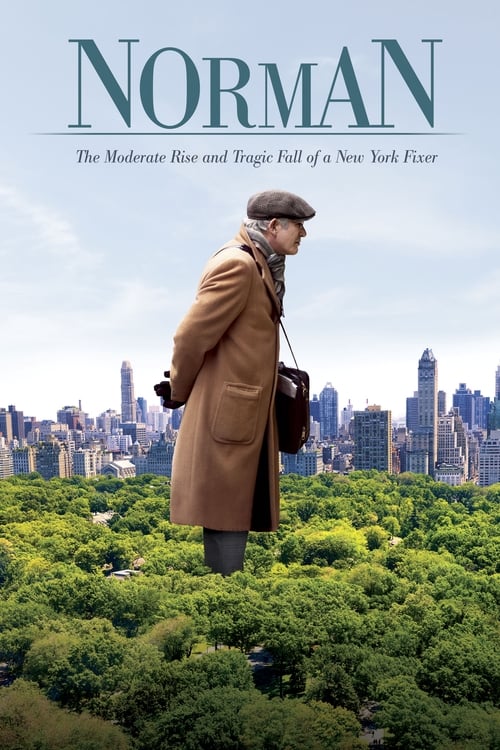
In the ending of "Norman: The Moderate Rise and Tragic Fall of a New York Fixer," Norman Oppenheimer's life takes a dramatic turn as he faces the consequences of his actions. After a series of events where he tries to leverage his connection with an Israeli politician, he finds himself isolated and in a precarious situation. The film concludes with Norman's realization of his own limitations and the impact of his choices, leading to a poignant moment of self-reflection.
As the final scenes unfold, Norman is seen in a state of despair, grappling with the fallout from his attempts to manipulate relationships for personal gain. His once hopeful aspirations crumble, leaving him to confront the reality of his existence. The film closes on a somber note, emphasizing the themes of ambition, connection, and the often harsh consequences of one's actions.
As the film approaches its conclusion, we find Norman Oppenheimer, played by Richard Gere, in a state of increasing desperation. The narrative unfolds in a series of poignant scenes that encapsulate his journey and the consequences of his actions.
Scene 1: The Isolation Norman is alone in his modest apartment, surrounded by the remnants of his once ambitious plans. The walls seem to close in on him as he reflects on his past decisions. The camera lingers on his face, capturing the weariness and regret etched into his features. He is a man who has spent years trying to connect with powerful figures, yet now finds himself abandoned and isolated.
Scene 2: The Confrontation In a pivotal moment, Norman confronts the reality of his situation when he meets with the Israeli politician, Micha Eshel, played by Lior Ashkenazi. Their relationship, which Norman had hoped would elevate his status, has soured. Eshel, who had once been a beneficiary of Norman's connections, now sees him as a liability. The tension in the room is palpable as Norman pleads for understanding, but Eshel's cold demeanor reflects the shifting power dynamics. Norman's desperation is evident as he tries to salvage the remnants of their relationship, but it becomes clear that he has overstepped his bounds.
Scene 3: The Fallout As the fallout from his actions becomes unavoidable, Norman is confronted by the consequences of his manipulations. The news of a scandal involving Eshel begins to circulate, and Norman realizes that he is now implicated in a web of deceit. The camera captures his internal struggle as he grapples with the realization that his attempts to play the fixer have backfired. He is no longer the man who could navigate the complexities of power; instead, he is a figure of ridicule and scorn.
Scene 4: The Reflection In a moment of quiet introspection, Norman visits a park where he once felt a sense of belonging. The vibrant life around him contrasts sharply with his internal turmoil. He watches families and couples interact, feeling the weight of his loneliness. The cinematography emphasizes his isolation, with wide shots that highlight his smallness in the bustling world around him. This scene serves as a poignant reminder of what he has lost--connection, purpose, and the hope of redemption.
Scene 5: The Conclusion The film culminates in a final scene where Norman is left to confront his fate. He stands alone, a figure of tragedy, as the camera pulls away, leaving him in the distance. The audience is left with a lingering sense of melancholy as Norman's journey comes to a close. His aspirations have crumbled, and he is left to reckon with the reality of his choices.
In the end, Norman Oppenheimer's fate is one of solitude and reflection. The once-ambitious fixer is now a man stripped of his illusions, forced to confront the consequences of his actions. The film closes on a somber note, encapsulating the themes of ambition, connection, and the often harsh realities of life. Each character, from Eshel to Norman, is left to navigate the aftermath of their choices, highlighting the intricate web of relationships and the fragility of human connection.
Is there a post-credit scene?
In "Norman: The Moderate Rise and Tragic Fall of a New York Fixer," there is no post-credit scene. The film concludes without any additional scenes or content after the credits roll. The story wraps up with Norman Oppenheimer's journey, leaving the audience to reflect on his complex character and the consequences of his actions throughout the narrative. The film's ending emphasizes the themes of ambition, connection, and the often precarious nature of relationships in the world of power and influence.
What motivates Norman Oppenheimer to become a fixer in New York City?
Norman Oppenheimer, played by Richard Gere, is driven by a deep-seated need for connection and validation. He is a lonely man who craves recognition and respect, often using his networking skills to forge relationships with influential figures. His desire to be seen as important and to belong in the upper echelons of society propels him to act as a fixer, seeking to connect people and create opportunities, even if it means bending the truth.
How does Norman's relationship with the Israeli politician Micha Eshel develop throughout the film?
Norman's relationship with Micha Eshel, portrayed by Lior Ashkenazi, begins when Norman meets him in New York and offers to help him navigate the political landscape. Initially, Micha is skeptical of Norman's intentions, but as Norman continues to support him, a bond forms. However, this relationship becomes complicated when Micha rises to power, and Norman's past actions come back to haunt him, leading to a tragic fallout.
What role does the character of the rabbi play in Norman's life?
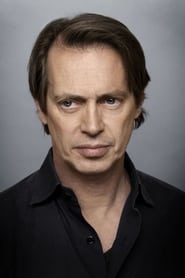
The rabbi, played by Steve Buscemi, serves as a moral compass for Norman. He represents a voice of reason and often expresses concern about Norman's methods and the ethical implications of his actions. Their conversations reveal Norman's internal struggles and his desire for redemption, as the rabbi challenges him to reflect on the consequences of his choices.
How does Norman's fixation on status and power affect his personal relationships?
Norman's obsession with status and power leads to strained personal relationships, particularly with his family and friends. His relentless pursuit of connections often alienates those closest to him, as he prioritizes his ambitions over genuine interactions. This emotional distance is palpable, especially in scenes where he attempts to reconnect with his estranged family, highlighting his loneliness and the cost of his fixation.
What is the significance of the recurring theme of loneliness in Norman's character arc?
Loneliness is a central theme in Norman's character arc, as it drives his actions and decisions throughout the film. Despite his efforts to connect with influential people, he remains isolated and unfulfilled. This emotional state is poignantly illustrated in scenes where he attends social events alone or reflects on his life choices, emphasizing the tragic irony of his role as a fixer who cannot fix his own life.
Is this family friendly?
"Norman: The Moderate Rise and Tragic Fall of a New York Fixer" is a film that explores themes of ambition, manipulation, and the complexities of human relationships. While it does not contain explicit violence or graphic content, there are several elements that may be considered objectionable or upsetting for children or sensitive viewers:
-
Moral Ambiguity: The protagonist, Norman Oppenheimer, engages in morally questionable behavior, including manipulation and deceit, which may be confusing or troubling for younger audiences.
-
Themes of Loneliness and Desperation: Norman's character experiences profound loneliness and desperation, which are depicted in a way that may evoke feelings of sadness or discomfort.
-
Financial and Political Corruption: The film touches on themes of corruption in politics and business, which may be complex and unsettling for younger viewers to understand.
-
Emotional Turmoil: Several characters experience emotional distress, betrayal, and disappointment, which could be intense for sensitive viewers.
-
Mature Language: There are instances of strong language that may not be suitable for children.
Overall, while the film is not overtly graphic, its themes and emotional depth may not be appropriate for all audiences, particularly younger children.








