







Popular
How does the setting influence the characters' interactions?
What is the significance of the character Shiori in the story?
What role does the playwright's profession play in the narrative?
How does the relationship between the protagonist and Shiori evolve throughout the film?
What are the key moments that highlight the theme of freedom in the film?
Should I watch it?
Ask Your Own Question

What is the plot?
Sorry, we aren't able to watch and write up a full detailed plot yet. Check back in a few days.


What is the ending?
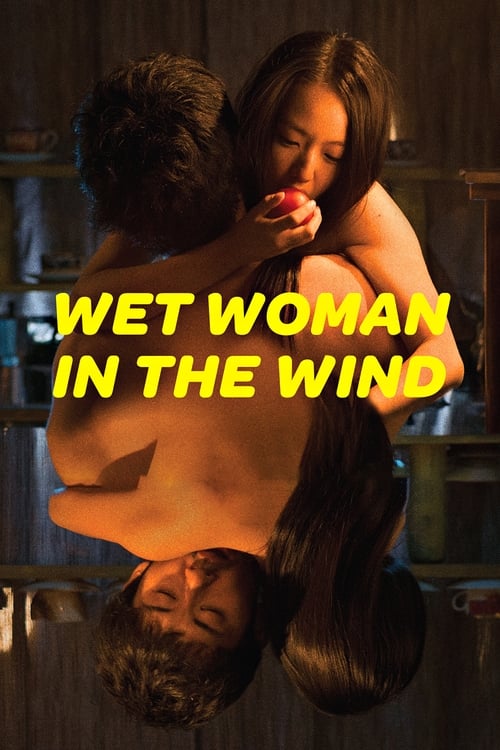
In the ending of "Wet Woman in the Wind," the main characters, a playwright named Kato and a mysterious woman named Shiori, find themselves in a tumultuous and passionate confrontation. Their relationship, marked by desire and conflict, reaches a climax as they grapple with their emotions and the consequences of their actions. Ultimately, Kato is left to reflect on his choices, while Shiori's fate remains ambiguous, leaving the audience to ponder the complexities of love and desire.
As the final scenes unfold, Kato, having been drawn into Shiori's world, is caught in a whirlwind of emotions. The tension between them escalates, and they engage in a heated exchange that reveals their vulnerabilities and desires. Kato's internal struggle is palpable; he is torn between his artistic ambitions and the intoxicating allure of Shiori.
In a pivotal moment, Shiori confronts Kato about his fears and insecurities, pushing him to confront the reality of his life and the choices he has made. The atmosphere is charged with raw emotion, and the dialogue crackles with intensity. Kato's frustration and longing are evident as he grapples with the implications of their connection.
As the confrontation reaches its peak, the scene shifts to a more intimate setting, where the physicality of their relationship becomes a focal point. The camera captures the tension in their bodies, the way they move around each other, and the unspoken words that hang in the air. This moment is both passionate and fraught with uncertainty, as they navigate the thin line between love and obsession.
In the final moments, Kato is left alone, reflecting on the whirlwind of events that have transpired. The weight of his choices hangs heavy on him, and he is left to ponder the nature of his relationship with Shiori. The film closes on a note of ambiguity, with Shiori's fate left unresolved, symbolizing the complexities of human connection and the often tumultuous nature of desire.
Kato's journey concludes with a sense of introspection, while Shiori's character remains an enigma, embodying the unpredictable and often chaotic nature of love. The ending leaves the audience with lingering questions about the characters' futures and the impact of their choices on their lives.
Is there a post-credit scene?
"Wet Woman in the Wind," directed by Akihiko Shiota, does not feature a post-credit scene. The film concludes its narrative without any additional scenes or content after the credits roll. The story wraps up with the main characters, Shiori and the writer, having gone through a series of intense and emotional experiences that explore themes of desire, freedom, and the complexities of human relationships. The absence of a post-credit scene allows the audience to reflect on the film's themes and the characters' journeys as they leave the theater.
How does the setting influence the characters' interactions?
The film is set in a rural area, surrounded by nature, which plays a crucial role in shaping the characters' experiences. The lush landscapes and the elements, particularly the wind and rain, create an intimate atmosphere that enhances the emotional intensity of the characters' interactions. The setting serves as a backdrop for the exploration of desire and connection, allowing the characters to confront their feelings in a raw and unfiltered manner.
What is the significance of the character Shiori in the story?
Shiori is a pivotal character in 'Wet Woman in the Wind,' representing both desire and the complexities of human relationships. Her interactions with the protagonist, a playwright, reveal her free-spirited nature and her struggle with societal expectations. Shiori's character embodies the tension between personal freedom and the constraints of traditional roles, making her a catalyst for the protagonist's emotional journey.
What role does the playwright's profession play in the narrative?
The protagonist's profession as a playwright is central to the narrative, as it reflects his internal struggles and creative process. His interactions with Shiori often blur the lines between reality and fiction, leading him to question his own desires and motivations. The playwright's journey of self-discovery is intertwined with his work, as he grapples with the themes of love, loss, and the complexities of human relationships, ultimately influencing the direction of the story.
How does the relationship between the protagonist and Shiori evolve throughout the film?
The relationship between the protagonist and Shiori evolves from initial attraction to a deeper exploration of their emotional and physical connection. As they spend time together, their interactions shift from playful banter to moments of vulnerability, revealing their fears and desires. This evolution is marked by a series of intimate encounters that challenge both characters to confront their pasts and the implications of their choices, ultimately leading to a transformative experience for the protagonist.
What are the key moments that highlight the theme of freedom in the film?
Key moments that highlight the theme of freedom include Shiori's spontaneous actions, such as her decision to swim in the rain and her candid discussions about her desires. These moments contrast with the protagonist's initial hesitations and societal constraints, showcasing Shiori's embodiment of liberation. Additionally, their shared experiences in nature, away from societal norms, serve as a powerful reminder of the freedom to express oneself authentically, culminating in a journey of self-acceptance for both characters.
Is this family friendly?
"Wet Woman in the Wind," produced in 2016, is not considered family-friendly. The film contains several potentially objectionable or upsetting scenes and aspects that may be inappropriate for children or sensitive viewers.
-
Sexual Content: The film features explicit sexual scenes and themes that are central to the plot, which may be uncomfortable for younger audiences.
-
Nudity: There are instances of nudity throughout the film, which is presented in a sexual context.
-
Adult Themes: The narrative explores complex adult relationships and desires, which may not be suitable for children.
-
Graphic Language: The dialogue includes strong language and adult conversations that may be offensive to some viewers.
-
Emotional Turmoil: Characters experience intense emotional situations that could be distressing, including themes of obsession and manipulation.
These elements contribute to the film's mature rating and make it unsuitable for a younger audience.







