










Popular
What is the significance of the one-take format in the film?
How does the character of Higurashi evolve throughout the film?
What role does the character of Chinatsu play in the story?
How does the film depict the relationship between Higurashi and his wife, who is also part of the crew?
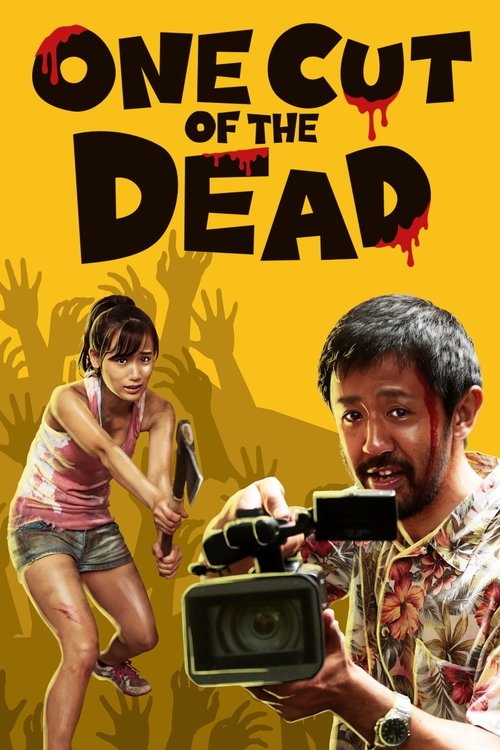
What is the significance of the film's title, One Cut of the Dead?
Should I watch it?
Ask Your Own Question

What is the plot?
Sorry, we aren't able to watch and write up a full detailed plot yet. Check back in a few days.



What is the ending?
In the ending of "One Cut of the Dead," the film culminates in a chaotic yet heartfelt resolution where the crew, initially struggling with a zombie film shoot, comes together to complete their project. The film reveals the behind-the-scenes efforts and the personal dynamics of the characters, showcasing their growth and the challenges they faced. The final scenes highlight the importance of teamwork, creativity, and the bonds formed through adversity.
As the film progresses towards its conclusion, we see the crew, led by director Higurashi, finally manage to finish their zombie film. The emotional climax occurs when they confront the chaos that ensued during the initial filming, which was plagued by real zombies. The characters, including the lead actress Chinatsu and the crew members, find themselves in a moment of unity, celebrating their triumph over the unexpected challenges. The film ends on a note of camaraderie and resilience, emphasizing the joy of creation and the strength found in collaboration.
Now, let's delve into the ending in a more detailed, chronological narrative.
As the final act unfolds, the camera shifts back to the film set where the crew is still reeling from the chaos of the zombie attack. Higurashi, the determined director, is seen rallying his team, urging them to focus on completing the film despite the pandemonium. The atmosphere is tense, but there is a palpable sense of urgency and determination among the crew members.
Chinatsu, the lead actress, is initially shaken by the events but finds her resolve as she witnesses the dedication of her fellow cast and crew. She steps into her role with renewed vigor, embodying her character with a fierce intensity that reflects her personal growth throughout the ordeal. The crew, now more cohesive than ever, begins to work together seamlessly, each member contributing their unique skills to salvage the production.
As they film the climactic scenes, the crew faces numerous challenges, including technical difficulties and the lingering threat of the zombies. However, instead of succumbing to despair, they adapt and improvise, showcasing their creativity and teamwork. The camera captures moments of laughter and camaraderie, highlighting the bonds that have formed among the crew members through their shared experiences.
In a particularly poignant scene, Higurashi reflects on the journey they have taken together. He acknowledges the chaos that initially threatened to derail their project but emphasizes the importance of perseverance and collaboration. This moment serves as a turning point, reinforcing the theme of resilience in the face of adversity.
As the final scenes are shot, the crew manages to create a film that is not only a testament to their skills but also a celebration of their journey. The zombies, once a source of terror, become a part of the narrative they are crafting, symbolizing the challenges they have overcome. The film culminates in a triumphant finale, with the crew cheering and celebrating their success.
In the closing moments, the audience sees the finished product of their labor, a film that encapsulates their struggles and triumphs. The characters, now bonded by their experiences, share a sense of accomplishment and joy. Higurashi, Chinatsu, and the rest of the crew stand together, reflecting on their journey and the friendships forged in the heat of chaos.
The fate of each main character is one of growth and unity. Higurashi emerges as a more confident and capable director, having learned the value of teamwork. Chinatsu transforms from a hesitant actress into a strong, determined performer, embracing her role with passion. The supporting characters, each with their own arcs, find a sense of belonging and purpose within the group, solidifying their relationships.
As the credits roll, the film leaves the audience with a sense of hope and inspiration, celebrating the power of creativity and the bonds that can be formed through shared challenges. The ending encapsulates the essence of "One Cut of the Dead," a story that intertwines horror, comedy, and heartfelt moments, ultimately showcasing the beauty of collaboration in the face of chaos.
Is there a post-credit scene?
In "One Cut of the Dead," there is no traditional post-credit scene as one might expect in many contemporary films. Instead, the film concludes with a light-hearted and humorous moment that serves as a fitting capstone to the story.
After the credits roll, viewers are treated to a brief scene that showcases the cast and crew celebrating the completion of their film project. This moment emphasizes the camaraderie and joy experienced during the filmmaking process, reflecting the film's themes of collaboration and creativity. The scene is playful and reinforces the film's overall tone, leaving the audience with a sense of warmth and satisfaction after the rollercoaster of emotions experienced throughout the movie.
This final moment encapsulates the spirit of "One Cut of the Dead," highlighting the behind-the-scenes dynamics and the passion that drives the characters, both on-screen and off.
What is the significance of the one-take format in the film?
The one-take format is crucial as it immerses the audience in the chaotic and frantic atmosphere of the zombie film being shot. It showcases the challenges faced by the crew, particularly the director Higurashi, as he navigates through unexpected events, including real zombies. This format also emphasizes the film's themes of perseverance and creativity under pressure.
How does the character of Higurashi evolve throughout the film?
Higurashi starts as a demanding and somewhat tyrannical director, obsessed with achieving his vision for the zombie film. As the story unfolds, particularly during the chaotic one-take shoot, his character reveals layers of vulnerability and determination. He learns to adapt to the unpredictable circumstances, ultimately showcasing his passion for filmmaking and his commitment to his crew.
What role does the character of Chinatsu play in the story?
Chinatsu is a pivotal character who plays the lead actress in the zombie film. Her character is initially portrayed as a typical actress, but as the story progresses, she becomes a symbol of resilience. During the chaotic filming, she demonstrates bravery and resourcefulness, ultimately contributing to the survival of the crew and the completion of the film.
How does the film depict the relationship between Higurashi and his wife, who is also part of the crew?
The relationship between Higurashi and his wife, who plays a supporting role in the film, is complex and layered. Initially, there is tension due to Higurashi's domineering nature and his obsession with the film. However, as the story unfolds, their bond is tested and ultimately strengthened through shared challenges, revealing their deep love and commitment to each other amidst the chaos.
What is the significance of the film's title, One Cut of the Dead?
The title 'One Cut of the Dead' reflects both the film's unique one-take shooting style and its meta-narrative about filmmaking. It signifies the idea of capturing a moment in time, particularly the struggle of the crew to create a film under dire circumstances. The 'dead' aspect also plays into the zombie theme, highlighting the blend of horror and comedy that defines the film.
Is this family friendly?
"One Cut of the Dead" is a unique film that blends horror and comedy, but it does contain elements that may not be suitable for children or sensitive viewers. Here are some potentially objectionable or upsetting aspects:
-
Graphic Violence: The film features scenes of zombies and gore, including blood splatter and dismemberment, which may be unsettling for younger audiences.
-
Language: There are instances of strong language throughout the film, which may not be appropriate for children.
-
Themes of Death and Survival: The film explores themes of death, survival, and the horror genre, which might be distressing for sensitive viewers.
-
Intense Situations: Characters face life-threatening situations that can create a sense of tension and fear, which may be overwhelming for some.
-
Dark Humor: The film employs dark humor that revolves around horror tropes, which may not resonate well with all viewers, especially younger ones.
Overall, while the film is a clever take on the zombie genre, its content may not be suitable for all audiences, particularly children or those who are sensitive to horror elements.