








Popular
What is the significance of the tree of life in The Fountain?
How does Tom Creo's character evolve throughout the film?
What role does Izzi Creo play in Tom's journey?
What is the significance of the three different timelines in The Fountain?
How does the film depict the concept of death and rebirth?
Should I watch it?
Ask Your Own Question

What is the plot?
Sorry, we aren't able to watch and write up a full detailed plot yet. Check back in a few days.
More Movies Like This
Browse All Movies →
What is the ending?
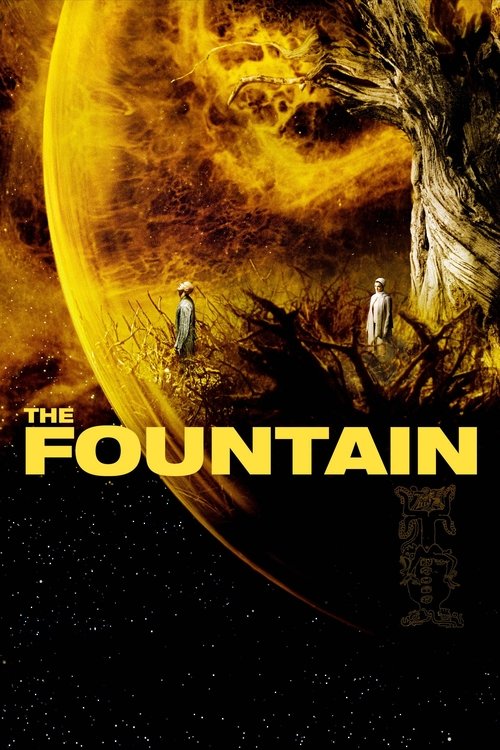
In the ending of "The Fountain," Tom, who has been on a quest for immortality, finally comes to terms with the inevitability of death. He embraces the cycle of life and death, allowing himself to let go of his grief over the loss of his wife, Izzi. In the final moments, he is seen in a cosmic setting, surrounded by a blooming tree, symbolizing rebirth and acceptance.
As the film approaches its conclusion, we find Tom in the year 2500, aboard a spaceship that carries the last remnants of a dying star. He is on a journey to the nebula where he believes he can find the Tree of Life, a mythical source of immortality. The ship is a beautiful, ethereal vessel, filled with soft light and surrounded by the vastness of space. Tom is alone, but he is determined, driven by the memory of his wife, Izzi, who is represented in his mind as a guiding presence.
In a series of flashbacks, we see Tom's past intertwined with his present. He recalls moments with Izzi, who is suffering from cancer. In one poignant scene, she shares her thoughts on death, expressing her acceptance and desire for Tom to move on after she is gone. This conversation weighs heavily on Tom, who is desperate to save her, believing that if he can find the Tree of Life, he can conquer death itself.
As Tom navigates through space, he begins to experience visions of Izzi, who appears to him in various forms, urging him to let go of his obsession with immortality. The ship's environment shifts, reflecting Tom's internal struggle. He is torn between his desire to hold onto Izzi and the reality of her impending death.
In a climactic moment, Tom finally reaches the dying star, which is surrounded by a beautiful, glowing tree. This tree is a representation of life, death, and rebirth. As he approaches it, he realizes that the true essence of life is not in avoiding death but in embracing it. He understands that love transcends mortality, and he must honor Izzi's memory by accepting her death.
In the final scene, Tom is seen sitting beneath the tree, surrounded by a radiant light. He closes his eyes, and a sense of peace washes over him. The imagery shifts to a vibrant, blooming tree, symbolizing the cycle of life. The film concludes with Tom's acceptance of death, illustrating that life continues in different forms, and love endures beyond the physical realm.
In summary, Tom's journey culminates in a profound acceptance of mortality, allowing him to find peace with Izzi's death. The fate of Tom is one of transformation; he evolves from a man consumed by grief and the fear of loss to one who embraces the natural cycle of life and death. Izzi, though physically gone, remains a vital part of Tom's existence, symbolizing the enduring power of love.
Is there a post-credit scene?
The Fountain, directed by Darren Aronofsky and released in 2006, does not have a post-credit scene. The film concludes with a poignant and emotional ending that encapsulates its themes of love, loss, and the quest for immortality. After the credits roll, there are no additional scenes or content that follow. The film's narrative is self-contained, leaving viewers to reflect on the journey of its characters and the philosophical questions it raises.
What is the significance of the tree of life in The Fountain?
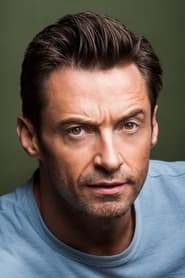
The tree of life serves as a central symbol in The Fountain, representing the quest for immortality and the interconnectedness of life, death, and rebirth. In the film, Tom Creo, played by Hugh Jackman, seeks the tree in the Mayan storyline, believing it holds the key to saving his dying wife, Izzi. The tree is also linked to the biblical story of the Garden of Eden, emphasizing themes of sacrifice and the human desire to conquer death.
How does Tom Creo's character evolve throughout the film?
Tom Creo begins as a determined neurosurgeon desperate to save his wife, Izzi, from cancer. His emotional state is marked by fear and desperation, leading him to obsess over finding a cure. As the narrative unfolds, particularly through the parallel stories, Tom's character evolves from a man fixated on defying death to one who learns to accept mortality. This transformation is catalyzed by his experiences in the past and future timelines, ultimately leading him to embrace love and loss.
What role does Izzi Creo play in Tom's journey?
Izzi Creo, portrayed by Rachel Weisz, is pivotal to Tom's emotional journey. As she battles cancer, her acceptance of death contrasts sharply with Tom's struggle against it. Izzi's character embodies wisdom and tranquility, encouraging Tom to confront his fears. Her writing of a story about a Spanish conquistador searching for the tree of life serves as a narrative device that parallels their own lives, ultimately guiding Tom toward acceptance and understanding of love and mortality.
What is the significance of the three different timelines in The Fountain?
The three timelines in The Fountain--Tom and Izzi's present-day struggle, the historical tale of the conquistador Tomas Verde, and the futuristic journey of a space traveler--interweave to explore themes of love, death, and the quest for immortality. Each timeline reflects Tom's internal conflict and his evolving understanding of life and death. The connections between the characters across these timelines highlight the cyclical nature of existence and the enduring power of love, regardless of time or circumstance.
How does the film depict the concept of death and rebirth?
The Fountain intricately weaves the concepts of death and rebirth throughout its narrative. Tom's journey is marked by his initial refusal to accept Izzi's impending death, leading to his obsessive quest for the tree of life. However, as the story progresses, he learns that death is a natural part of life. The film visually represents this through the imagery of the tree, the cycles of nature, and the final scenes where Tom embraces the idea of rebirth through acceptance, suggesting that love transcends even death.
Is this family friendly?
"The Fountain," directed by Darren Aronofsky, is a visually stunning and thematically complex film that explores themes of love, death, and the quest for immortality. However, it contains several elements that may be objectionable or upsetting for children or sensitive viewers.
-
Death and Grief: The film deals heavily with the themes of mortality and the emotional pain associated with losing a loved one. Scenes depicting illness and the process of dying can be particularly intense.
-
Violence: There are moments of violence, including scenes that depict battles and confrontations, which may be distressing.
-
Nudity and Sexual Content: The film includes scenes of nudity and sexual intimacy that may not be suitable for younger audiences.
-
Existential Themes: The philosophical and existential questions raised throughout the film may be confusing or unsettling for children, as they grapple with concepts of life, death, and the afterlife.
-
Visually Disturbing Imagery: Some sequences feature surreal and potentially disturbing imagery, including scenes that may evoke feelings of fear or anxiety.
Overall, while "The Fountain" is a profound exploration of love and loss, its mature themes and content may not be appropriate for all viewers, particularly younger audiences.









