
Popular
What happens to the women of Stepford throughout the film?
Who is Joanna Eberhart and what motivates her actions in the film?
What role does the character Bobbie play in Joanna's journey?
What is the significance of the Stepford Men's Association in the plot?
How does Joanna's perception of Stepford change throughout the film?
Should I watch it?
Ask Your Own Question

What is the plot?
Sorry, we aren't able to watch and write up a full detailed plot yet. Check back in a few days.







What is the ending?
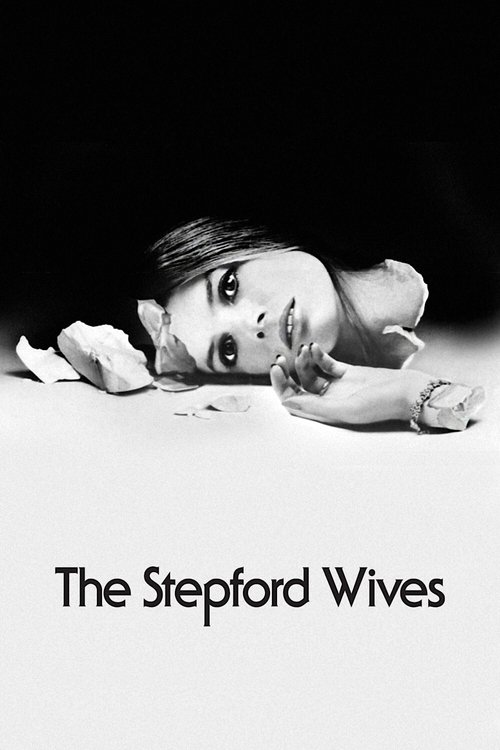
In the ending of The Stepford Wives (1975), Joanna Eberhart discovers the horrifying truth about the women of Stepford. After realizing that the wives have been replaced by robotic replicas, she becomes desperate to escape. In a climactic confrontation, she is captured and ultimately transformed into one of the Stepford wives herself, losing her individuality and autonomy.
As the film concludes, Joanna's husband, Walter, watches her transformation with a sense of satisfaction, while Joanna, now devoid of her former self, smiles blankly, embodying the idealized, submissive wife that Stepford demands.
The film's ending unfolds in a series of tense and revealing scenes that encapsulate the chilling transformation of Joanna Eberhart and the sinister reality of Stepford.
Scene 1: Joanna's Discovery The climax begins with Joanna Eberhart, portrayed by Katharine Ross, frantically searching for answers about the strange behavior of the women in Stepford. She has been investigating the town's secret, suspecting that something is deeply wrong. In a moment of desperation, she sneaks into the Stepford Wives' club, where she overhears a conversation that confirms her worst fears: the wives are not who they seem. They have been replaced by lifelike robots, designed to fulfill the desires of their husbands.
Scene 2: The Confrontation Determined to escape, Joanna rushes home to confront her husband, Walter (played by Peter Masterson). She pleads with him to leave Stepford, revealing her knowledge of the wives' true nature. Walter, however, is unyielding. He has become enamored with the idea of a perfect wife, and his loyalty lies with the town's patriarchs. This confrontation is filled with tension, as Joanna's fear and desperation clash with Walter's cold indifference.
Scene 3: The Capture As Joanna attempts to flee, she is captured by the men of Stepford, who have been monitoring her every move. They take her to a hidden facility where the transformation process occurs. The atmosphere is suffocating, filled with the sounds of machinery and the eerie silence of the robotic wives. Joanna's terror escalates as she realizes that she is about to become one of them.
Scene 4: The Transformation In a harrowing sequence, Joanna is subjected to the same fate as the other women. The process strips her of her individuality, her thoughts, and her emotions. The audience witnesses her struggle, her cries for help, and her ultimate resignation as she is transformed into a compliant, smiling version of herself. The scene is haunting, showcasing the loss of her identity and the chilling efficiency of the Stepford system.
Scene 5: The Final Reveal The film concludes with a stark contrast between Joanna's former self and her new robotic persona. In the final scene, Walter observes his transformed wife with a sense of satisfaction. Joanna, now devoid of her previous spirit and autonomy, stands beside him, smiling blankly. The camera lingers on her face, capturing the eerie tranquility of her new existence. The final shot leaves the audience with a chilling sense of the cost of conformity and the loss of individuality.
In summary, the fates of the main characters are sealed in this unsettling conclusion. Joanna Eberhart, once a vibrant and independent woman, is reduced to a mere shell of her former self, embodying the very ideals she fought against. Walter Eberhart, having chosen the allure of a perfect, submissive wife, stands as a symbol of the oppressive societal norms that the film critiques. The other women of Stepford, now robotic replicas, serve as a haunting reminder of the dangers of conformity and the erasure of personal identity.
Is there a post-credit scene?
The 1975 film "The Stepford Wives" does not have a post-credit scene. The film concludes with a chilling and impactful ending that leaves the audience with a sense of unease about the transformation of the women in the town of Stepford. After the protagonist, Joanna Eberhart, discovers the truth about the Stepford Wives and the sinister fate that has befallen them, the film ends on a haunting note as she realizes her own impending transformation. The credits roll without any additional scenes or content following the main narrative, maintaining the film's tense atmosphere and thematic focus on conformity and loss of identity.
What happens to the women of Stepford throughout the film?
In 'The Stepford Wives,' the women of Stepford undergo a disturbing transformation. Initially, they are portrayed as typical suburban housewives, but as the story progresses, it becomes evident that they are being replaced by robotic versions of themselves. This transformation is orchestrated by the men of Stepford, who desire to have submissive, perfect wives. The protagonist, Joanna Eberhart, becomes increasingly suspicious of this phenomenon as she notices her friends changing and becoming eerily compliant.
Who is Joanna Eberhart and what motivates her actions in the film?
Joanna Eberhart, played by Katharine Ross, is the film's central character. She is a young, independent woman who moves to Stepford with her family. Joanna is motivated by her desire for authenticity and her growing unease with the conformist behavior of the other women in the town. As she witnesses her friends becoming more robotic and submissive, her determination to uncover the truth about Stepford intensifies, leading her to investigate the sinister activities of the Stepford men.
What role does the character Bobbie play in Joanna's journey?
Bobbie, portrayed by Paula Prentiss, is one of Joanna's closest friends in Stepford. Initially, she shares Joanna's skepticism about the changes happening in their community. Bobbie serves as a confidante and ally, providing emotional support as Joanna grapples with her fears. However, as the film progresses, Bobbie herself becomes a victim of the Stepford transformation, which deeply affects Joanna and heightens her sense of isolation and urgency to escape the town.
What is the significance of the Stepford Men's Association in the plot?
The Stepford Men's Association is a pivotal element in the film, representing the patriarchal control over the women of Stepford. The men, who are members of this secretive group, are revealed to be behind the transformation of their wives into compliant, robotic versions. Their meetings and discussions highlight their disdain for modern women and their desire to revert to traditional gender roles. This organization embodies the film's critique of societal expectations and the lengths to which some men will go to maintain power over women.
How does Joanna's perception of Stepford change throughout the film?
Joanna's perception of Stepford evolves dramatically from the beginning to the end of the film. Initially, she is excited about moving to the idyllic suburban town, believing it to be a peaceful and perfect place. However, as she becomes aware of the unsettling changes in the women around her and the oppressive atmosphere created by the men, her excitement turns to horror and paranoia. Joanna's journey reflects her struggle against conformity and her fight for individuality, culminating in her desperate attempts to escape the nightmarish reality of Stepford.
Is this family friendly?
The Stepford Wives (1975) is a film that explores themes of gender roles, conformity, and the darker aspects of suburban life. While it may not be overtly graphic, there are several elements that could be considered objectionable or upsetting for children or sensitive viewers:
-
Violence and Threats: There are scenes that imply violence against women, including the transformation of the wives into submissive versions of themselves, which can be unsettling.
-
Psychological Manipulation: The film delves into themes of control and manipulation, showcasing the emotional distress of the main character as she uncovers the truth about the town and its inhabitants.
-
Darker Themes: The underlying commentary on feminism and the loss of individuality can be heavy and may not be suitable for younger audiences who may not grasp the complexities of these themes.
-
Tension and Suspense: The atmosphere of the film is often tense, with a sense of dread that builds as the protagonist realizes the true nature of Stepford, which could be frightening for some viewers.
-
Disturbing Imagery: There are moments that may evoke discomfort, particularly in how the wives are portrayed and the implications of their transformations.
Overall, while The Stepford Wives is not a horror film, its themes and certain scenes may be challenging for children or those sensitive to issues of control and identity.