
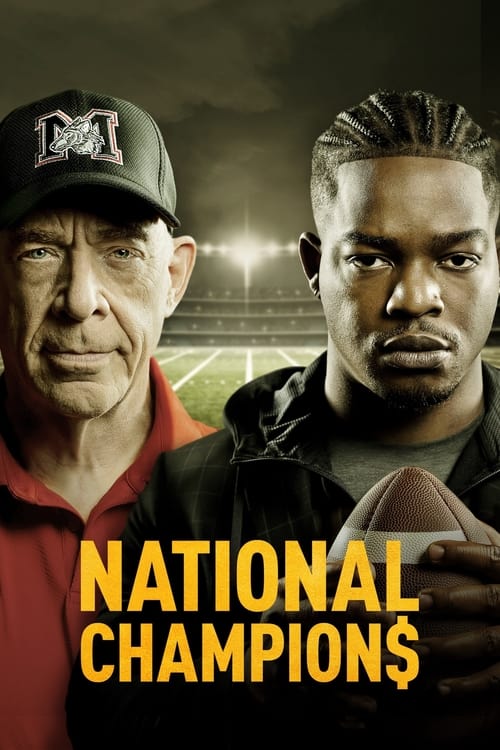










































Popular
What motivates the main character, LeMarcus James, to lead the player strike?
How does the character of Coach Pruitt react to the player strike?
What role does the character of Rachel play in the story?
How does the media portrayal of the player strike affect the characters involved?
What internal conflicts does LeMarcus face throughout the film?
Should I watch it?
Ask Your Own Question

What is the plot?
Sorry, we aren't able to watch and write up a full detailed plot yet. Check back in a few days.







What is the ending?
In the ending of "National Champions," the college football championship game is played amidst the backdrop of a players' strike for fair compensation. The main character, LeMarcus James, faces the consequences of his actions as the game unfolds, leading to a resolution that impacts the future of college athletics.
As the championship game begins, the tension is palpable. LeMarcus, along with his teammates, is determined to stand firm in their demands for fair treatment and compensation. The game itself is intense, filled with high-stakes plays and emotional moments. As the clock winds down, the players' resolve is tested, and they must confront the reality of their choices.
In the final moments, LeMarcus and his team make a pivotal decision that reflects their commitment to their cause. The game ends with a dramatic conclusion, but the focus shifts to the aftermath of the strike and the broader implications for college sports. The characters face their futures with a sense of hope and determination, having sparked a conversation about the rights of student-athletes.
As the championship game kicks off, the stadium is filled with roaring fans, the atmosphere electric with anticipation. LeMarcus James, the star quarterback, stands on the sidelines, his heart racing not just from the thrill of the game but from the weight of the decision he and his teammates have made to strike for fair compensation. The camera captures the tension in his eyes, reflecting his internal conflict between the love of the game and the fight for justice.
The first half of the game unfolds with breathtaking plays and strategic maneuvers. LeMarcus throws a touchdown pass, and the crowd erupts, but his mind is elsewhere. He glances at the sidelines, where his fellow players are holding signs advocating for their rights. The juxtaposition of the celebration on the field and the struggle off it creates a poignant contrast.
As the second half begins, the stakes rise. The opposing team, aware of the strike, plays aggressively, trying to exploit the distraction among the players. LeMarcus rallies his teammates, urging them to focus on the game while also remembering their cause. The emotional weight of their fight hangs over every play, and the tension builds as the clock ticks down.
In a critical moment, with only seconds left on the clock, LeMarcus faces a choice. He can throw a game-winning pass or take a stand for his teammates. The camera zooms in on his face, capturing the turmoil within him. Ultimately, he chooses to throw the pass, leading to a touchdown that wins the game. The crowd goes wild, but the victory feels hollow as the players know the real battle lies ahead.
As the final whistle blows, the players gather in the end zone, their victory overshadowed by the reality of their strike. LeMarcus stands at the forefront, his expression a mix of triumph and resolve. He addresses the media, passionately articulating the need for change in college athletics. His words resonate, igniting a fire in the hearts of many.
In the aftermath, the players face various consequences. Some are celebrated as heroes, while others are scrutinized for their actions. LeMarcus, however, emerges as a leader, his commitment to the cause solidifying his place in history. The film closes with a montage of news clips and social media reactions, showcasing the ripple effect of their stand. The final shot lingers on LeMarcus, a determined look in his eyes, symbolizing hope for a future where athletes are treated with the respect and fairness they deserve.
Is there a post-credit scene?
In the movie "National Champions," there is no post-credit scene. The film concludes its narrative without any additional scenes or content after the credits roll. The story wraps up with the resolution of the central conflict surrounding college athletes and their fight for fair compensation, leaving the audience to reflect on the themes presented throughout the film.
What motivates the main character, LeMarcus James, to lead the player strike?
LeMarcus James, portrayed by Stephan James, is driven by a deep sense of injustice regarding the exploitation of college athletes. As a star quarterback, he feels the weight of his team's success on his shoulders, but he also recognizes that the NCAA profits immensely from their labor without providing them fair compensation. His personal experiences and the struggles of his teammates fuel his determination to fight for their rights, leading him to initiate the strike.
How does the character of Coach Pruitt react to the player strike?
Coach Pruitt, played by J.K. Simmons, initially feels betrayed and frustrated by the strike led by his star players. He is concerned about the implications for the team's performance and his own career. However, as the story unfolds, he grapples with his own beliefs about the system and begins to understand the players' perspective, showcasing a complex emotional journey from anger to reluctant support.
What role does the character of Rachel play in the story?
Rachel, portrayed by Kristen Chenoweth, serves as a pivotal character who represents the legal and ethical complexities surrounding college athletics. As a lawyer, she provides insight into the legal ramifications of the players' strike and becomes an ally to LeMarcus and his teammates. Her character embodies the struggle for justice and the fight against systemic exploitation, adding depth to the narrative.
How does the media portrayal of the player strike affect the characters involved?
The media plays a crucial role in amplifying the players' voices and the stakes of the strike. As news outlets cover the story, the characters experience a range of emotions, from empowerment to anxiety. The public's reaction influences their resolve, with some players feeling emboldened by the support while others fear the backlash. This dynamic highlights the intersection of sports, media, and social justice.
What internal conflicts does LeMarcus face throughout the film?
LeMarcus grapples with significant internal conflicts as he balances his ambition to win a championship with his moral obligation to fight for his and his teammates' rights. He struggles with the fear of jeopardizing his future in football and the potential fallout from the strike. This tension creates a rich emotional landscape, as he must confront his own values and the sacrifices he is willing to make for the greater good.
Is this family friendly?
"National Champions," produced in 2021, is a sports drama that delves into the world of college football and the complexities surrounding athlete compensation. While the film primarily focuses on themes of ambition, justice, and the fight for equality, it does contain some elements that may not be suitable for younger audiences or sensitive viewers.
-
Strong Language: The film features frequent use of profanity, which may be inappropriate for children.
-
Mature Themes: The narrative explores serious topics such as exploitation, corruption in college sports, and the pressure athletes face, which may be heavy for younger viewers to fully grasp.
-
Conflict and Tension: There are intense scenes of conflict, both verbal and emotional, that may be distressing. Characters confront each other passionately about their beliefs and struggles.
-
Substance Use: There are references to alcohol consumption and the party culture surrounding college athletics, which may not be suitable for younger audiences.
-
Emotional Struggles: Characters experience significant emotional turmoil, including anxiety and stress related to their futures, which could be upsetting for sensitive viewers.
Overall, while "National Champions" offers a compelling narrative about social justice in sports, its language and mature themes may make it less family-friendly.





