






















Popular
What motivates Dr. Martin Blake to manipulate his patients?
How does Dr. Blake's relationship with Diane evolve throughout the film?
What role does Dr. Blake's mentor, Dr. Lawrence, play in the story?
How does the hospital setting contribute to the tension in the film?
What are the consequences of Dr. Blake's actions by the end of the film?
Should I watch it?
Ask Your Own Question

What is the plot?
Sorry, we aren't able to watch and write up a full detailed plot yet. Check back in a few days.







What is the ending?
In the ending of "The Good Doctor," Dr. Martin Blake's actions lead to a tragic conclusion. After manipulating the situation to keep his patient, Diane, in the hospital, he faces the consequences of his obsession. The film culminates in a confrontation with Diane's father, who discovers the truth about Martin's unethical behavior. Ultimately, Martin's actions result in his isolation and the loss of his medical career.
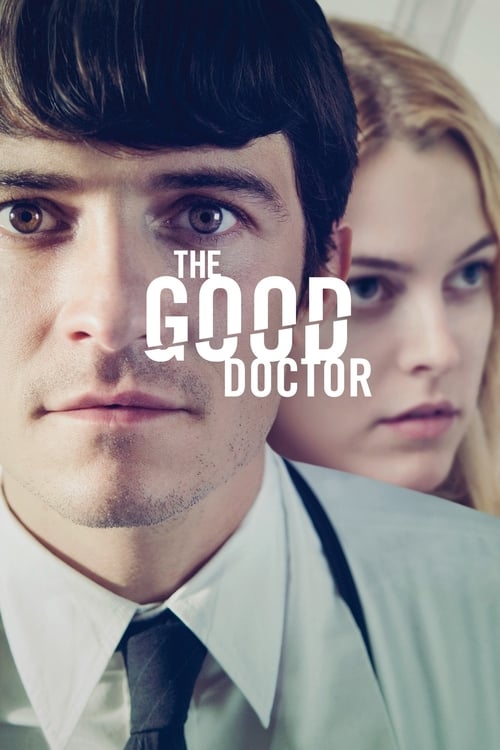
As the film approaches its climax, the tension escalates in the sterile, fluorescent-lit corridors of the hospital. Dr. Martin Blake, portrayed by Orlando Bloom, is increasingly consumed by his obsession with Diane, a young patient played by Riley Keough. After initially treating her for a kidney infection, Martin's fixation deepens, leading him to manipulate her medical care to keep her close.
In the final scenes, Diane's father arrives at the hospital, concerned for his daughter's well-being. He is unaware of the extent of Martin's unethical actions. Martin, who has been lying about Diane's condition to prolong her stay, is confronted by her father. The father, filled with a mix of anger and concern, demands answers. The atmosphere is thick with tension as Martin tries to maintain his composure, but the weight of his deceit begins to unravel him.
As the confrontation escalates, Martin's facade crumbles. He is forced to confront the reality of his actions and the impact they have had on Diane and her family. The emotional stakes are high; Martin's desperation to keep Diane in the hospital reflects his deep-seated insecurities and need for connection. However, this need has driven him to unethical extremes, and the consequences are now crashing down around him.
In a moment of reckoning, Diane's father threatens to expose Martin's manipulations. The camera captures Martin's internal struggle, his face a mask of fear and regret. He realizes that his obsession has not only jeopardized his career but also the well-being of the very person he claimed to care for. The emotional turmoil is palpable as he grapples with the realization that he has crossed a line that cannot be uncrossed.
The film concludes with Martin's isolation. He is left alone in the hospital, stripped of his authority and respect. The once-promising doctor is now a pariah, facing the consequences of his actions. Diane, who had been a source of light in his life, is now a reminder of his failures. The final scenes depict Martin's descent into loneliness, emphasizing the tragic outcome of his obsessive behavior.
In the end, Diane is released from the hospital, free from Martin's grasp, while he is left to confront the fallout of his choices. The film closes on a somber note, highlighting the themes of obsession, ethical boundaries, and the profound impact of one's actions on others. Martin's fate is sealed; he is left to navigate a life devoid of the connection he so desperately sought, a poignant reminder of the consequences of crossing moral lines.
Is there a post-credit scene?
The movie "The Good Doctor," produced in 2011, does not have a post-credit scene. The film concludes with its final moments, focusing on the aftermath of the main character's actions and the implications of his choices. The story wraps up without any additional scenes or hints at future developments after the credits roll.
What motivates Dr. Martin Blake to manipulate his patients?
Dr. Martin Blake, played by Orlando Bloom, is driven by a deep-seated need for validation and connection. His loneliness and desire for acceptance lead him to develop an unhealthy obsession with a young patient, Diane, which ultimately drives him to manipulate her treatment to keep her close.
How does Dr. Blake's relationship with Diane evolve throughout the film?
Initially, Dr. Blake is professional and caring towards Diane, a young woman with a kidney infection. As he becomes more infatuated with her, his demeanor shifts from that of a concerned doctor to a possessive figure. He begins to orchestrate her medical care to ensure she remains in the hospital, revealing his increasingly obsessive nature.
What role does Dr. Blake's mentor, Dr. Lawrence, play in the story?
Dr. Lawrence, portrayed by Rob Morrow, serves as a moral compass and a source of professional guidance for Dr. Blake. He represents the ethical standards of medicine that Blake increasingly disregards. Their interactions highlight Blake's internal conflict as he grapples with his growing obsession and the consequences of his actions.
How does the hospital setting contribute to the tension in the film?
The hospital setting is crucial in amplifying the tension in 'The Good Doctor.' It serves as a sterile, clinical backdrop that contrasts with the emotional turmoil of Dr. Blake. The confined environment heightens his sense of isolation and desperation, making his manipulative actions feel more claustrophobic and urgent as he tries to maintain control over Diane's situation.
What are the consequences of Dr. Blake's actions by the end of the film?
By the end of the film, Dr. Blake's manipulations lead to dire consequences. His unethical behavior is exposed, resulting in a loss of his medical license and the collapse of his professional life. The emotional fallout from his obsession with Diane leaves him isolated, reflecting the destructive nature of his actions and the emptiness of his pursuit for connection.
Is this family friendly?
"The Good Doctor," produced in 2011, is not considered family-friendly due to its mature themes and unsettling content. Here are some potentially objectionable or upsetting aspects that may affect children or sensitive viewers:
-
Manipulation and Deception: The protagonist engages in morally questionable behavior, including manipulation of others, which may be disturbing for younger audiences.
-
Medical Ethics: The film explores themes of medical ethics and the consequences of a doctor's actions, which can be complex and unsettling.
-
Isolation and Loneliness: The emotional struggles of the characters, particularly the protagonist, may evoke feelings of discomfort related to isolation and mental health.
-
Intense Emotional Scenes: There are moments of emotional intensity that may be distressing, particularly as they relate to the protagonist's obsession and the impact on others.
-
Themes of Obsession: The film delves into obsessive behavior, which can be unsettling and may not be suitable for younger viewers.
-
Mature Relationships: There are elements of romantic and sexual tension that may not be appropriate for children.
These aspects contribute to a darker tone that may not be suitable for a younger audience or those sensitive to such themes.







