

























Popular
What motivates Roger to attend the School for Scoundrels?
How does Dr. P's teaching style affect the students?
What is the significance of the rivalry between Roger and Dr. P?
How does Roger's relationship with Amanda evolve throughout the film?
What role does the character of Lesher play in the story?
Should I watch it?
Ask Your Own Question

What is the plot?
Sorry, we aren't able to watch and write up a full detailed plot yet. Check back in a few days.




What is the ending?
In the ending of "School for Scoundrels," Roger, after a series of misadventures and confrontations, finally stands up for himself. He confronts his rival, the arrogant and manipulative Dr. P, and wins back the affection of his love interest, Amanda. The film concludes with Roger embracing his newfound confidence and independence, while Dr. P faces the consequences of his actions.
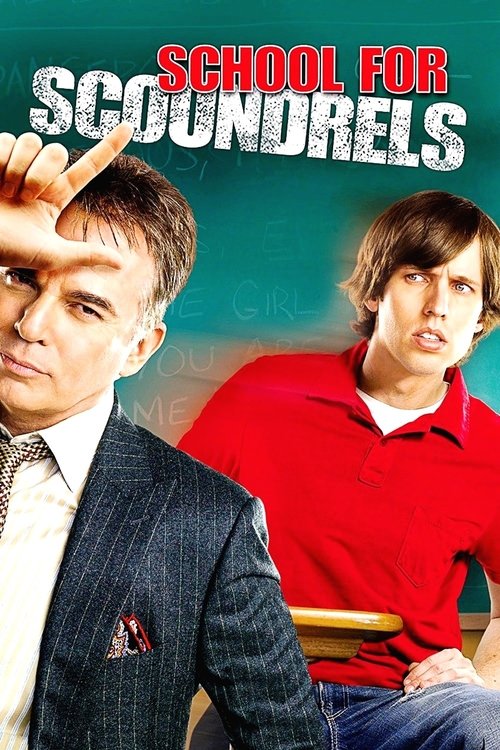
As the climax of "School for Scoundrels" unfolds, we find Roger (played by Jon Heder) in a state of turmoil. After enduring humiliation and manipulation at the hands of his self-proclaimed mentor, Dr. P (played by Billy Bob Thornton), Roger realizes that he must take control of his life. The final act begins with Roger attending a confrontation at a local bar, where he has been lured by Dr. P, who is reveling in his power over Roger.
Scene 1: The Confrontation The bar is dimly lit, filled with the sounds of laughter and clinking glasses. Roger enters, his heart racing, as he spots Dr. P surrounded by a group of his followers. The atmosphere is charged with tension. Dr. P, with his smug demeanor, taunts Roger, belittling him in front of the crowd. Roger's internal struggle is palpable; he feels the weight of his insecurities but knows he must stand up for himself.
Scene 2: The Turning Point As Dr. P continues to mock him, Roger's resolve begins to strengthen. He recalls the lessons he learned at the "School for Scoundrels," where he was taught to be assertive and confident. In a moment of clarity, Roger interrupts Dr. P, challenging him directly. The crowd falls silent, and for the first time, Roger's voice is steady and firm. This pivotal moment marks a significant shift in Roger's character; he is no longer the timid man who entered the school.
Scene 3: The Showdown The confrontation escalates as Dr. P, taken aback by Roger's newfound confidence, attempts to regain control. However, Roger stands his ground, and the tension between the two men reaches a boiling point. The bar patrons begin to rally behind Roger, sensing the shift in power. In a dramatic turn, Roger exposes Dr. P's manipulative tactics, revealing the truth about his character to everyone present.
Scene 4: The Resolution With the crowd now on his side, Roger's confidence surges. He finally confronts Dr. P about his feelings for Amanda (played by Jacinda Barrett), who has been watching the scene unfold. Roger declares his love for her, and Amanda, moved by his bravery, steps forward to support him. Dr. P, realizing he has lost both the crowd and Amanda, retreats, his arrogance shattered.
Scene 5: The Aftermath In the aftermath of the confrontation, Roger and Amanda share a heartfelt moment. They embrace, and it is clear that their relationship has deepened through the trials they faced. Roger's transformation is complete; he has shed his insecurities and emerged as a confident man ready to take on the world.
Scene 6: The Final Scene The film concludes with a light-hearted scene where Roger and Amanda are seen enjoying a day together, laughing and happy. The camera pans out, showing them walking hand in hand, symbolizing Roger's new lease on life. Meanwhile, Dr. P is left to deal with the fallout of his actions, isolated and without the power he once wielded.
In the end, Roger's journey from a timid man to someone who can assert himself serves as a testament to personal growth and the importance of self-confidence. Each character's fate reflects the consequences of their choices, with Roger finding love and strength, while Dr. P faces the repercussions of his manipulative behavior.
Is there a post-credit scene?
In the movie "School for Scoundrels" (2006), there is no post-credit scene. The film concludes without any additional scenes or content after the credits roll. The story wraps up with the resolution of the main characters' arcs, particularly focusing on the relationship between Roger (played by Jon Heder) and his love interest, Amanda (played by Jacinda Barrett), as well as the rivalry with the manipulative instructor, Dr. P (played by Billy Bob Thornton). The film ends on a light-hearted note, emphasizing personal growth and the importance of confidence in relationships.
What motivates Roger to attend the School for Scoundrels?
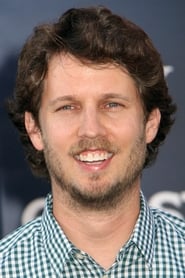
Roger, played by Jon Heder, is a timid and insecure meter reader who struggles with confidence, especially in his interactions with women. His motivation to attend the School for Scoundrels stems from his desire to improve himself and win the affection of his crush, Amanda, portrayed by Jacinda Barrett. He hopes that the school will teach him the skills he lacks to assert himself and become more attractive to her.
How does Dr. P's teaching style affect the students?
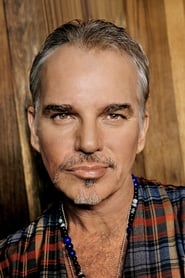
Dr. P, played by Billy Bob Thornton, employs unconventional and often harsh methods to teach his students at the School for Scoundrels. He uses psychological manipulation and tough love to break down their insecurities and build them up as more assertive individuals. This approach creates a mix of fear and admiration among the students, pushing them to confront their weaknesses but also leading to conflicts, particularly with Roger, who struggles to reconcile Dr. P's methods with his own values.
What is the significance of the rivalry between Roger and Dr. P?
The rivalry between Roger and Dr. P intensifies as Roger begins to gain confidence and assertiveness, which threatens Dr. P's authority. Initially, Dr. P sees Roger as a project to mold, but as Roger starts to stand up for himself, their dynamic shifts. This rivalry becomes a central conflict in the story, highlighting Roger's growth and Dr. P's insecurities, ultimately leading to a confrontation that forces both characters to reevaluate their approaches to life and relationships.
How does Roger's relationship with Amanda evolve throughout the film?
Roger's relationship with Amanda begins as a one-sided crush, where he is too shy to express his feelings. As he learns from Dr. P and gains confidence, he starts to approach Amanda more assertively. However, his newfound confidence is complicated by the fact that Dr. P is also interested in Amanda, leading to a love triangle that tests Roger's resolve. Throughout the film, Amanda's perception of Roger shifts from seeing him as a timid man to recognizing his potential, culminating in a moment where she must choose between the two men.
What role does the character of Lesher play in the story?
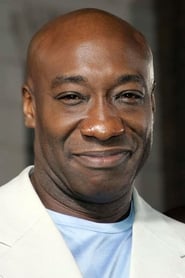
Lesher, played by Michael Clarke Duncan, is a fellow student at the School for Scoundrels who embodies the tough, assertive persona that Dr. P promotes. He serves as both a mentor and a rival to Roger, often pushing him to confront his fears and insecurities. Lesher's larger-than-life personality contrasts with Roger's initial meekness, and his presence in the story highlights the extremes of the 'scoundrel' lifestyle. As the plot progresses, Lesher's interactions with Roger help to catalyze Roger's transformation, while also providing comic relief and tension within the group.
Is this family friendly?
"School for Scoundrels" (2006) is a comedy that features several elements that may not be suitable for younger audiences or sensitive viewers. Here are some potentially objectionable aspects:
-
Language: The film contains instances of mild profanity and crude humor, which may not be appropriate for children.
-
Violence: There are scenes of physical altercations, including slapstick-style fights and confrontations that may be intense for younger viewers.
-
Romantic Content: The film includes romantic subplots that involve adult themes, including jealousy and manipulation, which may be confusing or uncomfortable for children.
-
Mature Themes: The premise revolves around self-improvement through manipulation and deceit, which may present moral dilemmas that could be troubling for sensitive viewers.
-
Humor Style: The humor often relies on embarrassment and social awkwardness, which might resonate negatively with some audiences, particularly those who are sensitive to themes of bullying or social anxiety.
Overall, while the film is a comedy, its content may not be entirely family-friendly, and parental discretion is advised.








