
Popular
What is the relationship between Hud and his father, Homer Bannon?
How does the character of Lonnie Bannon evolve throughout the film?
What role does the cattle disease play in the plot of Hud?
How does Hud's attitude towards women, particularly Alma, affect the story?
What is the significance of the final confrontation between Hud and Homer?
Should I watch it?
Ask Your Own Question

What is the plot?
Sorry, we aren't able to watch and write up a full detailed plot yet. Check back in a few days.
More Movies Like This
Browse All Movies →
What is the ending?
In the ending of "Hud," the tension between Hud and his father, Homer, reaches a climax. After a series of events that reveal Hud's selfishness and moral ambiguity, Homer decides to confront Hud about his behavior. The film concludes with a poignant moment where Homer, disillusioned by Hud's actions, chooses to stand by his principles, ultimately leading to a rift between father and son. The film ends with Hud alone, reflecting on his choices, while the future of the family ranch hangs in the balance.
As the film approaches its conclusion, the atmosphere is thick with tension. The setting is the family ranch, a sprawling expanse of land that has been the backdrop for the family's struggles and triumphs. The sun hangs low in the sky, casting long shadows that seem to mirror the growing divide between the characters.
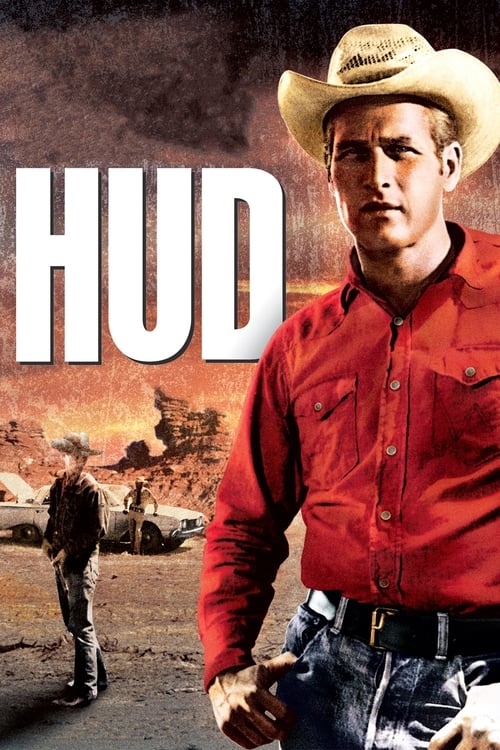
Scene 1: The confrontation begins when Homer, played by Melvyn Douglas, gathers the courage to confront his son Hud, portrayed by Paul Newman. The air is heavy with unspoken words as Homer expresses his disappointment in Hud's reckless behavior and lack of regard for the family values that have been upheld for generations. Hud, with his trademark swagger, dismisses his father's concerns, revealing his self-centered nature. The tension escalates as Homer stands firm, embodying the weight of tradition and responsibility.
Scene 2: As the argument intensifies, the emotional stakes rise. Hud's facade of confidence begins to crack, exposing a vulnerability that he rarely shows. He lashes out, trying to assert his dominance, but Homer remains resolute. The ranch, once a symbol of their shared legacy, now feels like a battleground where ideals clash. The camera captures the raw emotions on their faces, highlighting the pain of a father who has lost faith in his son and a son who feels misunderstood and unappreciated.
Scene 3: The pivotal moment comes when Homer, in a moment of clarity, decides to take a stand. He tells Hud that he will not allow him to destroy what little is left of their family's integrity. This declaration is not just about the ranch; it symbolizes a generational conflict between old values and new, between responsibility and hedonism. Hud, faced with the reality of his father's unwavering principles, feels the weight of his choices pressing down on him.
Scene 4: The final scenes unfold with a sense of inevitability. Hud, now isolated, watches as his father walks away, leaving him to grapple with the consequences of his actions. The camera lingers on Hud's face, capturing a mix of anger, regret, and a dawning realization of his loneliness. The ranch, once a place of familial bonds, now feels like a prison of his own making. The emotional distance between father and son is palpable, and the future of the ranch remains uncertain.
Scene 5: The film closes with Hud standing alone, a figure silhouetted against the vast Texas landscape. The sun sets, casting a golden hue over the land, symbolizing the end of an era. Hud's fate is left ambiguous; he is a man who has chosen his path but at the cost of his family and legacy. The final shot encapsulates the essence of his character--a man who has everything but is ultimately left with nothing.
In summary, the ending of "Hud" serves as a powerful commentary on the complexities of family dynamics, the struggle between tradition and modernity, and the personal costs of selfishness. Each character's fate is intertwined with the choices they have made, leaving a lasting impact on the audience as the credits roll.
Is there a post-credit scene?
The movie "Hud," produced in 1963, does not have a post-credit scene. The film concludes with a powerful and poignant ending that encapsulates the themes of isolation, moral ambiguity, and the complexities of familial relationships. After a series of intense confrontations and emotional turmoil, the story wraps up without any additional scenes or epilogues after the credits. The focus remains on the character dynamics and the stark realities of life on the ranch, leaving the audience to reflect on the fates of the characters as the credits roll.
What is the relationship between Hud and his father, Homer Bannon?
Hud and his father, Homer Bannon, have a strained and complex relationship. Homer is a traditional, principled rancher who values integrity and hard work, while Hud is cynical, self-serving, and often at odds with his father's values. Their interactions are filled with tension, as Hud's reckless lifestyle and disregard for the ranch's legacy clash with Homer's steadfast commitment to ethical farming practices.
How does the character of Lonnie Bannon evolve throughout the film?
Lonnie Bannon, Homer's grandson and Hud's nephew, begins as an impressionable young man who idolizes his uncle Hud. As the story progresses, Lonnie witnesses Hud's morally questionable actions and the consequences they bring. This exposure leads to a growing disillusionment with Hud's lifestyle, ultimately pushing Lonnie towards a more principled stance, influenced by his grandfather's values.
What role does the cattle disease play in the plot of Hud?
The cattle disease serves as a critical plot device that highlights the ethical dilemmas faced by the characters. When the Bannon ranch's cattle are found to be infected with hoof-and-mouth disease, it threatens their livelihood and forces Homer to confront the harsh realities of ranching. Hud, however, sees the disease as an opportunity to profit by selling the infected cattle, showcasing his moral decay and the conflict between profit and integrity.
How does Hud's attitude towards women, particularly Alma, affect the story?
Hud's attitude towards women is characterized by objectification and manipulation, particularly in his interactions with Alma, the housekeeper. He pursues her with a mix of charm and arrogance, reflecting his self-centered nature. Alma's resistance and eventual rejection of Hud's advances serve to highlight his inability to form genuine connections, further emphasizing his isolation and moral emptiness.
What is the significance of the final confrontation between Hud and Homer?
The final confrontation between Hud and Homer is a pivotal moment that encapsulates the film's central conflicts. In a heated exchange, Homer confronts Hud about his selfishness and lack of respect for the ranch's legacy. This confrontation not only reveals the deep-seated resentment and disappointment Homer feels towards his son but also marks a turning point for Hud, as he is forced to confront the consequences of his actions and the impact they have on his family.
Is this family friendly?
"Hud," produced in 1963, is not considered family-friendly due to several potentially objectionable elements. Here are some aspects that might be upsetting for children or sensitive viewers:
-
Adult Themes: The film explores complex themes such as moral ambiguity, family conflict, and the struggles of aging, which may be difficult for younger audiences to understand.
-
Cynical Attitudes: The character of Hud Bannon exhibits a cynical and often selfish demeanor, which may not provide a positive role model for children.
-
Sexual Content: There are suggestive scenes and innuendos, particularly involving Hud's interactions with women, which may be inappropriate for younger viewers.
-
Violence and Conflict: The film includes scenes of tension and conflict, particularly between family members, which may be distressing.
-
Death and Disease: The storyline involves themes of cattle disease and the implications of death on the family ranch, which could be upsetting for sensitive viewers.
-
Emotional Turmoil: The characters experience significant emotional struggles, including feelings of betrayal, disappointment, and existential despair, which may be heavy for younger audiences to process.
Overall, the film's mature themes and emotional depth make it more suitable for adult viewers.