


















Popular
What is the significance of the poker game scene in the film?
What motivates Wild Bill Hickok to return to Deadwood after years away?
How does the relationship between Wild Bill and Calamity Jane develop throughout the film?
What role does the character of Charlie Utter play in Wild Bill's life?
How does Wild Bill's past affect his interactions with other characters in Deadwood?
Should I watch it?
Ask Your Own Question

What is the plot?
Sorry, we aren't able to watch and write up a full detailed plot yet. Check back in a few days.

What is the ending?
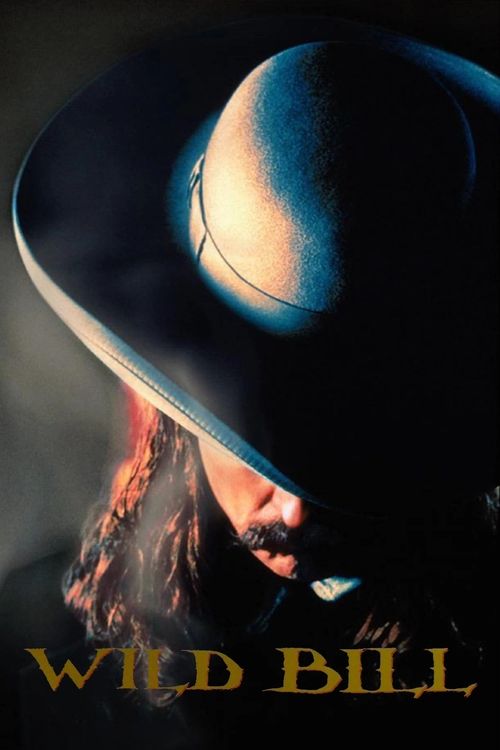
In the ending of "Wild Bill," Wild Bill Hickok faces a tragic confrontation with Jack McCall, who seeks revenge for a perceived slight. The film culminates in a tense showdown, leading to Bill's death. The story concludes with a reflection on Bill's legacy and the impact of his life on those around him.
As the final act unfolds, the atmosphere in Deadwood is thick with tension. Wild Bill Hickok, portrayed by Jeff Bridges, is seen in the saloon, surrounded by friends and admirers. He is a man of legend, but also one burdened by the weight of his past and the violence that has followed him. The saloon is filled with the sounds of laughter and the clinking of glasses, but there is an underlying sense of foreboding.
Scene by scene, the narrative progresses. Bill is approached by Jack McCall, played by Keith Carradine, who is a man consumed by jealousy and anger. McCall feels slighted by Bill, who had previously won a poker game against him. This moment of vulnerability for McCall reveals his internal struggle, as he grapples with feelings of inadequacy and the need to assert himself.
In a pivotal scene, McCall confronts Bill in the saloon. The tension is palpable as the two men exchange words. Bill, ever the calm and collected figure, tries to diffuse the situation, but McCall's rage is uncontainable. The audience can feel the weight of the moment as Bill's friends, including Charlie Prince, watch with bated breath, knowing that a confrontation is inevitable.
As the confrontation escalates, McCall pulls out a gun. The scene is charged with emotion, and the camera captures the fear and disbelief in the eyes of those present. Bill, who has faced countless adversaries in his life, stands resolute, but there is a sense of inevitability in the air. The moment is a culmination of Bill's life choices, his reputation, and the violent world he inhabits.
In a shocking turn, McCall fires his weapon, and the bullet strikes Bill. The scene is heart-wrenching as Bill falls to the ground, his life slipping away. The saloon erupts into chaos, with patrons screaming and rushing to help. Bill's final moments are filled with a mix of pain and acceptance, as he reflects on his life and the choices that led him to this tragic end.
As the dust settles, the film shifts to the aftermath of Bill's death. His friends mourn the loss of a man who was both a hero and a flawed individual. The camera lingers on the faces of those who loved him, capturing their grief and the void left by his absence. Charlie Prince, who admired Bill, is left to grapple with the loss and the legacy of his mentor.
The film concludes with a somber tone, emphasizing the fleeting nature of life and the impact of violence. Bill's legacy as a gunslinger is cemented, but it is also a reminder of the cost of such a life. The final scenes reflect on the emptiness that follows the loss of a legend, leaving the audience to ponder the true meaning of heroism and the consequences of a life lived on the edge.
Is there a post-credit scene?
The movie "Wild Bill," produced in 1995, does not have a post-credit scene. The film concludes with the final events of Wild Bill Hickok's life, focusing on his legacy and the impact he had on the people around him. The narrative wraps up without any additional scenes or content after the credits roll.
What is the significance of the poker game scene in the film?
The poker game scene is significant as it encapsulates the tension and stakes of Wild Bill's life. It serves as a microcosm of the larger conflicts in Deadwood, showcasing Bill's skill and luck while also foreshadowing the dangers that come with his lifestyle. The game becomes a pivotal moment that highlights both his bravado and the precariousness of his existence.
What motivates Wild Bill Hickok to return to Deadwood after years away?
Wild Bill Hickok, played by Jeff Bridges, is motivated to return to Deadwood by a mix of nostalgia and a desire to reclaim his past glory. He is drawn back to the town where he once made a name for himself, but he is also haunted by his past decisions and the violence that follows him.
How does the relationship between Wild Bill and Calamity Jane develop throughout the film?
The relationship between Wild Bill and Calamity Jane, portrayed by Ellen Barkin, is complex and evolves from initial admiration to a deeper emotional connection. Jane is infatuated with Bill, seeing him as a legendary figure, while Bill is both charmed and frustrated by her brashness and loyalty. Their interactions reveal Bill's vulnerability and Jane's fierce independence.
What role does the character of Charlie Utter play in Wild Bill's life?
Charlie Utter, played by Keith Carradine, serves as Wild Bill's loyal friend and confidant. He is a grounding presence in Bill's tumultuous life, often trying to steer him away from trouble while also sharing in the excitement of the Wild West. Charlie's unwavering support highlights the themes of friendship and loyalty amidst chaos.
How does Wild Bill's past affect his interactions with other characters in Deadwood?
Wild Bill's past as a notorious gunslinger casts a long shadow over his interactions in Deadwood. Characters like the local lawmen and rival outlaws view him with a mix of respect and fear, which complicates his attempts to live a quieter life. His reputation precedes him, leading to confrontations that force him to confront his violent history.
Is this family friendly?
"Wild Bill," produced in 1995, is not considered family-friendly due to several potentially objectionable elements. Here are some aspects that might be upsetting for children or sensitive viewers:
-
Violence: The film contains multiple scenes of gunfights and brawls, showcasing the violent nature of the Wild West. These scenes can be graphic and intense.
-
Death: Characters experience death, including some in brutal ways, which may be distressing for younger audiences.
-
Alcohol Use: There are frequent depictions of drinking and bar scenes that portray a culture of heavy alcohol consumption.
-
Language: The dialogue includes strong language and profanity, which may not be suitable for children.
-
Themes of Betrayal and Loss: The emotional weight of betrayal and the impact of loss on characters can be heavy and may resonate deeply with sensitive viewers.
-
Mature Relationships: There are complex adult relationships and themes of infidelity that may not be appropriate for younger audiences.
These elements contribute to a tone that is more suited for mature viewers rather than children.







