


































Popular
What motivates Dani to join Christian and his friends on the trip to Sweden?
How does Christian's relationship with Dani evolve throughout the film?
What role does the Hårga community play in the characters' lives?
What is the significance of the May Queen ceremony for Dani?
How does the film depict the theme of grief through Dani's character?
Should I watch it?
Ask Your Own Question

What is the plot?
Sorry, we aren't able to watch and write up a full detailed plot yet. Check back in a few days.









What is the ending?
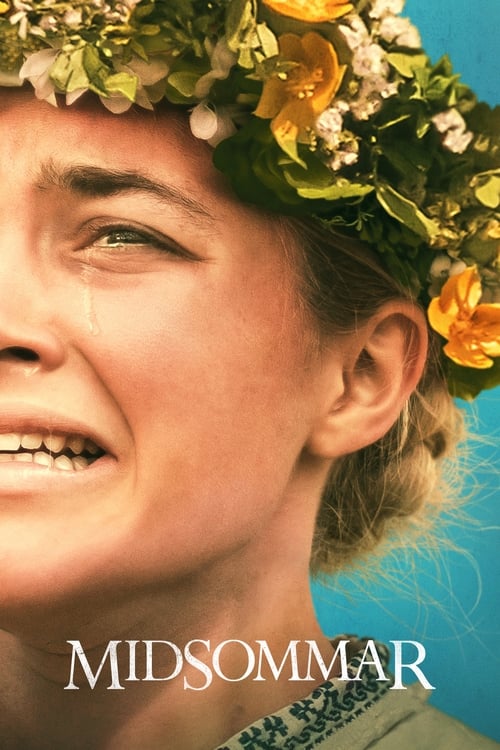
In the ending of "Midsommar," Dani becomes the May Queen after participating in a series of rituals. In a climactic moment, she witnesses the sacrifice of her boyfriend Christian, who is unwillingly chosen as a human offering. Dani, now fully integrated into the community, smiles as she watches the flames consume Christian, signifying her acceptance of her new life and the release of her past trauma.
As the film approaches its conclusion, the atmosphere in the Swedish commune grows increasingly intense and surreal. Dani, having been crowned the May Queen during the midsummer festival, is enveloped in a sense of belonging and empowerment. The vibrant colors of the flowers and the bright sunlight contrast sharply with the dark events that are about to unfold.
In a pivotal scene, Dani is led to a ceremonial dance where she participates in a ritual that celebrates fertility and the cycle of life. The villagers, adorned in traditional garb, cheer her on, and she is swept up in the joy of the moment, her earlier grief momentarily forgotten. The camera captures her transformation, as she moves from a place of deep sorrow over her family's tragic death to a position of honor within the community.
Meanwhile, Christian, who has been increasingly isolated from Dani and the group, is drawn into a disturbing ritual of his own. He is drugged and manipulated by the villagers, who have their own plans for him. The tension builds as he is led to a sacred area where he is to be sacrificed. The villagers, with their serene yet unsettling demeanor, prepare for the ritual, and Christian's confusion and fear are palpable. He realizes too late the fate that awaits him.
As the sun sets, the villagers gather around a large wooden structure, a bear encased within it, symbolizing the sacrifice. Christian, now fully aware of his impending doom, is placed inside the structure alongside the bear. The villagers chant and celebrate, their faces illuminated by the flickering flames. Dani, witnessing this from a distance, is torn between her past with Christian and her newfound identity within the community.
In a haunting climax, the structure is set ablaze. Christian's screams echo through the air as the fire engulfs him, and the villagers watch with a mix of reverence and joy. Dani, standing at the forefront, begins to smile, her expression shifting from horror to a serene acceptance. This moment signifies her complete transformation; she has chosen to embrace the community and its values, leaving behind the pain of her previous life.
The film concludes with Dani's face illuminated by the flames, her smile growing wider as she watches Christian perish. The final shot captures her as the May Queen, fully integrated into the commune, symbolizing her rebirth and the relinquishment of her past traumas. The fate of each main character is sealed: Dani has found a new family and purpose, while Christian, along with his friends Mark and Josh, has met a tragic end, sacrificed to the rituals of the commune. The film closes on this haunting image, leaving the audience with a sense of unsettling resolution.
Is there a post-credit scene?
Midsommar does not have a post-credit scene. The film concludes with a powerful and unsettling climax that leaves a lasting impact, and once the credits begin to roll, there are no additional scenes or content following them. The film ends with Dani's emotional transformation and acceptance within the community, which serves as a poignant conclusion to her journey.
What motivates Dani to join Christian and his friends on the trip to Sweden?
Dani is motivated by her desire for connection and support after the tragic loss of her family in a murder-suicide. Feeling isolated and emotionally vulnerable, she seeks solace in her boyfriend Christian and his friends, hoping that the trip will provide her with a sense of belonging and distraction from her grief.
How does Christian's relationship with Dani evolve throughout the film?
Christian's relationship with Dani deteriorates as the film progresses. Initially, he is somewhat supportive but increasingly shows signs of emotional detachment and frustration with her neediness. As they immerse themselves in the Hårga community, Christian becomes more entangled with the cult's rituals and the alluring local women, particularly Maja, which further alienates Dani and highlights the imbalance in their relationship.
What role does the Hårga community play in the characters' lives?
The Hårga community serves as both a sanctuary and a manipulative force for the characters. They initially appear welcoming and nurturing, offering a sense of belonging and purpose. However, as the story unfolds, their rituals reveal a darker side, manipulating the characters' emotions and desires, particularly targeting Dani's vulnerability and Christian's indecisiveness, ultimately leading to tragic consequences.
What is the significance of the May Queen ceremony for Dani?
The May Queen ceremony is a pivotal moment for Dani, symbolizing her transformation and acceptance within the Hårga community. When she is crowned May Queen, it represents her newfound power and agency, contrasting her previous feelings of isolation and grief. The ceremony also serves as a catalyst for her emotional release, allowing her to embrace her pain and anger, particularly towards Christian, culminating in a powerful moment of catharsis.
How does the film depict the theme of grief through Dani's character?
Dani's character arc is deeply intertwined with her experience of grief. The film portrays her emotional turmoil through visceral reactions, such as her panic attacks and overwhelming sorrow after her family's death. As she navigates her grief, her vulnerability is exploited by the Hårga community, which offers her a sense of belonging but also leads her to make increasingly drastic choices, reflecting the complexities of processing loss and the search for identity amidst trauma.
Is this family friendly?
"Midsommar" is not a family-friendly film and contains several potentially objectionable or upsetting scenes that may be distressing for children or sensitive viewers. Here are some aspects to consider:
-
Graphic Violence: The film includes scenes of intense violence, including ritualistic sacrifices and self-harm, which are depicted in a very graphic manner.
-
Death and Grief: The story revolves around themes of loss and grief, particularly the protagonist's emotional turmoil following a family tragedy. This can be heavy and unsettling.
-
Nudity and Sexual Content: There are scenes that feature nudity and sexual situations, including a ritualistic sexual encounter that may be uncomfortable for younger viewers.
-
Psychological Distress: The film explores themes of manipulation, emotional abuse, and psychological horror, which can be disturbing and may provoke anxiety.
-
Cult Behavior: The portrayal of a pagan cult and their rituals can be unsettling, especially for those sensitive to themes of indoctrination and loss of autonomy.
-
Hallucinatory Imagery: There are sequences that involve drug use leading to hallucinatory experiences, which can be disorienting and disturbing.
Overall, "Midsommar" delves into dark themes and contains content that is likely inappropriate for children and may be upsetting for sensitive viewers.







