


































Popular
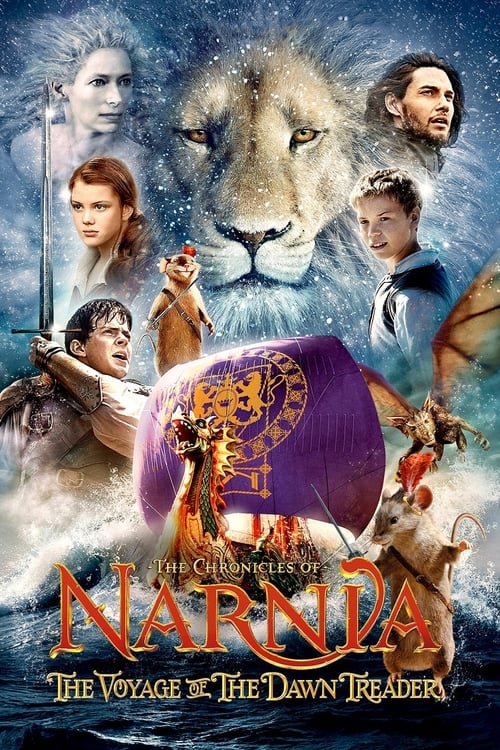
What challenges do the Pevensie siblings face when they return to Narnia in The Voyage of the Dawn Treader?
How does Eustace Scrubb's character develop throughout the film?
What role does Aslan play in The Voyage of the Dawn Treader?
What is the significance of the seven lost lords in the story?
How does Lucy's character struggle with her identity in The Voyage of the Dawn Treader?
Should I watch it?
Ask Your Own Question

What is the plot?
Sorry, we aren't able to watch and write up a full detailed plot yet. Check back in a few days.
More Movies Like This
Browse All Movies →





What is the ending?
In the ending of "The Chronicles of Narnia: The Voyage of the Dawn Treader," the Pevensie siblings, Lucy and Edmund, along with their cousin Eustace, return to Narnia one last time. They confront the final challenge of their journey, which involves facing their fears and temptations. As they reach the end of their voyage, they encounter Aslan, who reveals that they will not return to Narnia again. The children learn valuable lessons about bravery, sacrifice, and the importance of faith. Ultimately, they leave Narnia, and Lucy and Edmund are told they will not return, while Eustace is left with a newfound understanding of courage and friendship.
As the film approaches its conclusion, the scene shifts to the Dawn Treader sailing through the tranquil waters of Narnia. The ship is adorned with sails that catch the golden light of the sun, creating a serene atmosphere. Lucy, Edmund, and Eustace stand on the deck, gazing out at the horizon, filled with a sense of adventure and purpose. They have faced numerous challenges, including the temptation of the green mist that represents their fears and desires, and they have emerged stronger.
The crew of the Dawn Treader, led by King Caspian, is determined to find the seven lost lords of Narnia. Their journey has taken them to various islands, each presenting unique trials. As they approach the final island, they are met with a dark, swirling mist that embodies the evil that has plagued Narnia. The mist attempts to lure them into despair, but with the guidance of Aslan, they resist its pull.
In a pivotal moment, Eustace, who has grown throughout the journey, confronts his own selfishness and fear. He steps forward, showing bravery as he faces the mist. Aslan appears, a majestic lion radiating warmth and strength, and he encourages the children to trust in him. The mist dissipates, revealing the lost lords, who are freed from their enchantment. This moment signifies the triumph of good over evil, and the importance of faith and courage in the face of adversity.
As the adventure concludes, the children gather on the ship, reflecting on their experiences. Aslan appears to them one last time, and his presence is both comforting and bittersweet. He tells them that they will not return to Narnia again, a moment that brings a mix of sadness and acceptance. Lucy, who has always longed for Narnia, feels a deep sense of loss, while Edmund and Eustace come to terms with their journey and the lessons learned.
In the final scene, Aslan leads them to the edge of the world, where the sea meets the sky. The children stand together, hand in hand, as they prepare to leave Narnia behind. Aslan tells them that they will always carry the lessons of Narnia in their hearts, emphasizing the enduring impact of their experiences. With a final roar, Aslan bids them farewell, and the children find themselves back in the real world, in the familiar setting of their home.
Lucy and Edmund return to their lives, knowing they will not return to Narnia, but they carry the memories and the growth they have experienced. Eustace, transformed by his journey, returns with a newfound sense of friendship and bravery, ready to face the challenges of the real world. The film closes with a sense of closure, highlighting the importance of growth, courage, and the bonds formed through shared adventures.
Is there a post-credit scene?
In "The Chronicles of Narnia: The Voyage of the Dawn Treader," there is no post-credit scene. The film concludes with a poignant moment as the characters reflect on their journey and the lessons learned. After the adventure, Lucy, Edmund, and Eustace are returned to their world, and they share a heartfelt goodbye with Aslan, who reminds them that they will not return to Narnia again. The film ends on a note of closure, emphasizing the themes of growth, courage, and the bittersweet nature of farewells, but it does not include any additional scenes after the credits.
What challenges do the Pevensie siblings face when they return to Narnia in The Voyage of the Dawn Treader?
When the Pevensie siblings, Lucy and Edmund, return to Narnia in The Voyage of the Dawn Treader, they face several challenges. They are reunited with their cousin Eustace Scrubb, who is initially unkind and dismissive of Narnia. The trio encounters the ship, the Dawn Treader, captained by King Caspian, who is on a quest to find the seven lost lords of Narnia. They must navigate treacherous waters, confront their fears, and deal with the internal conflicts that arise, particularly Eustace's transformation into a dragon due to his selfishness and greed.
How does Eustace Scrubb's character develop throughout the film?
Eustace Scrubb begins as a self-centered and cynical boy who is dismissive of Narnia and its wonders. His character development is significant; after being transformed into a dragon due to his greed and selfishness, he experiences the pain of isolation and learns the value of friendship and bravery. His journey of redemption culminates when he is rescued by Aslan, who helps him shed his dragon form, symbolizing his growth and newfound understanding of courage and humility.
What role does Aslan play in The Voyage of the Dawn Treader?
Aslan serves as a guiding and protective figure throughout The Voyage of the Dawn Treader. He appears at critical moments to offer wisdom and encouragement to the characters, particularly to Lucy and Eustace. Aslan's presence is felt when he helps Eustace transform back into a boy, symbolizing redemption and the importance of inner change. He also reminds Lucy of her worth and the importance of faith, ultimately leading her to make a significant choice about her future in Narnia.
What is the significance of the seven lost lords in the story?
The seven lost lords are central to the quest of the Dawn Treader. Each lord represents a different aspect of Narnia's history and the challenges faced by the characters. Their rescue is not only a physical journey but also a metaphorical one, as it tests the courage and unity of the Pevensies and Eustace. The lords' fates reveal themes of loyalty, sacrifice, and the importance of standing against evil, culminating in the revelation of the last lord, who is found on the island of the world's end.
How does Lucy's character struggle with her identity in The Voyage of the Dawn Treader?
Lucy struggles with her identity and self-worth throughout The Voyage of the Dawn Treader. She grapples with feelings of inadequacy, particularly in comparison to her older sister Susan, who is no longer in Narnia. Lucy's desire to be beautiful and admired leads her to a moment of temptation when she uses a spell from a book to make herself appear more attractive. This choice backfires, causing her to confront her vanity and the importance of inner beauty. Ultimately, Lucy learns to embrace her true self and the unique role she plays in Narnia.
Is this family friendly?
The Chronicles of Narnia: The Voyage of the Dawn Treader is generally considered family-friendly, but it does contain some scenes that may be potentially objectionable or upsetting for children or sensitive viewers. Here are a few aspects to be aware of:
-
Dark Creatures: The film features various dark creatures, including a menacing sea serpent and other fantastical beings that may be frightening to younger viewers.
-
Themes of Fear and Temptation: Characters face their fears and temptations, which can be intense. For example, there are moments where characters confront their inner struggles, leading to emotional scenes that may be unsettling.
-
Conflict and Battles: There are scenes of conflict and battles that include perilous situations, which may evoke feelings of tension or anxiety.
-
Emotional Struggles: Characters experience moments of despair, loneliness, and conflict, particularly with themes of jealousy and insecurity, which could resonate deeply with sensitive viewers.
-
Mild Violence: While not graphic, there are instances of mild violence, such as sword fighting and confrontations with enemies, which may be alarming for some children.
Overall, while the film conveys positive messages about bravery, friendship, and personal growth, parents may want to consider these elements when deciding if it is suitable for their children.








